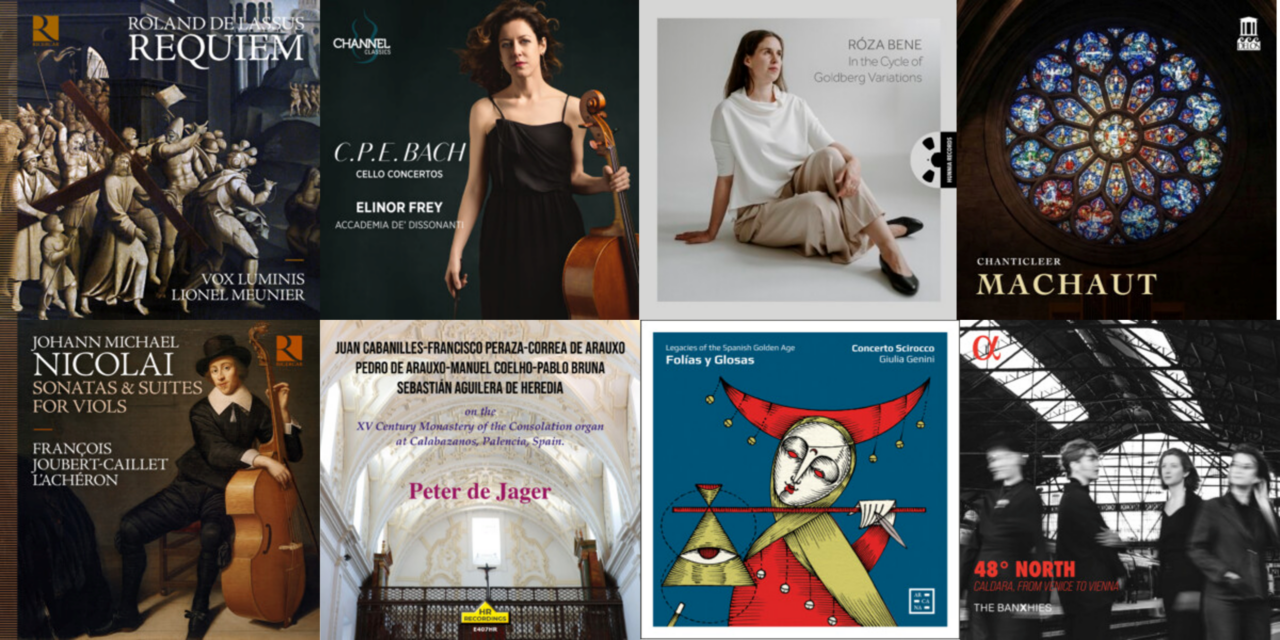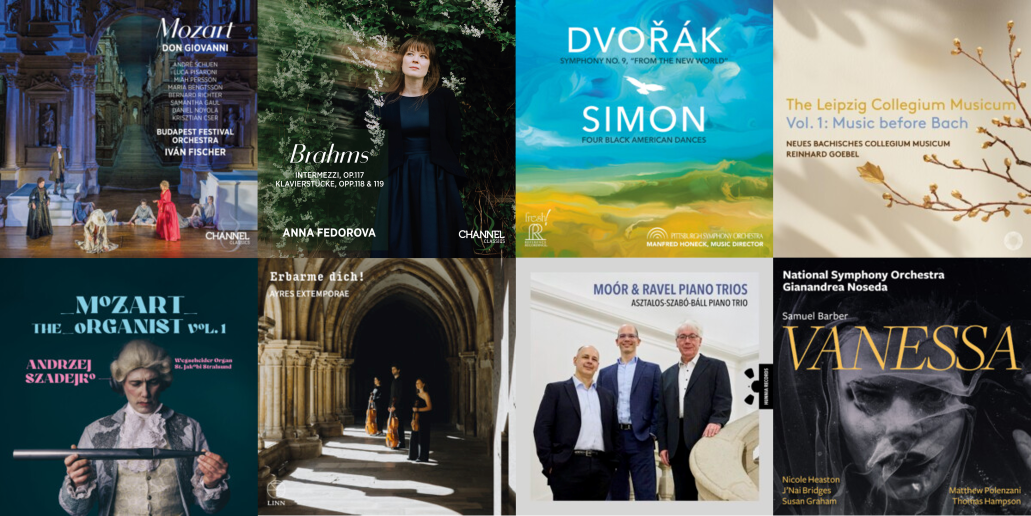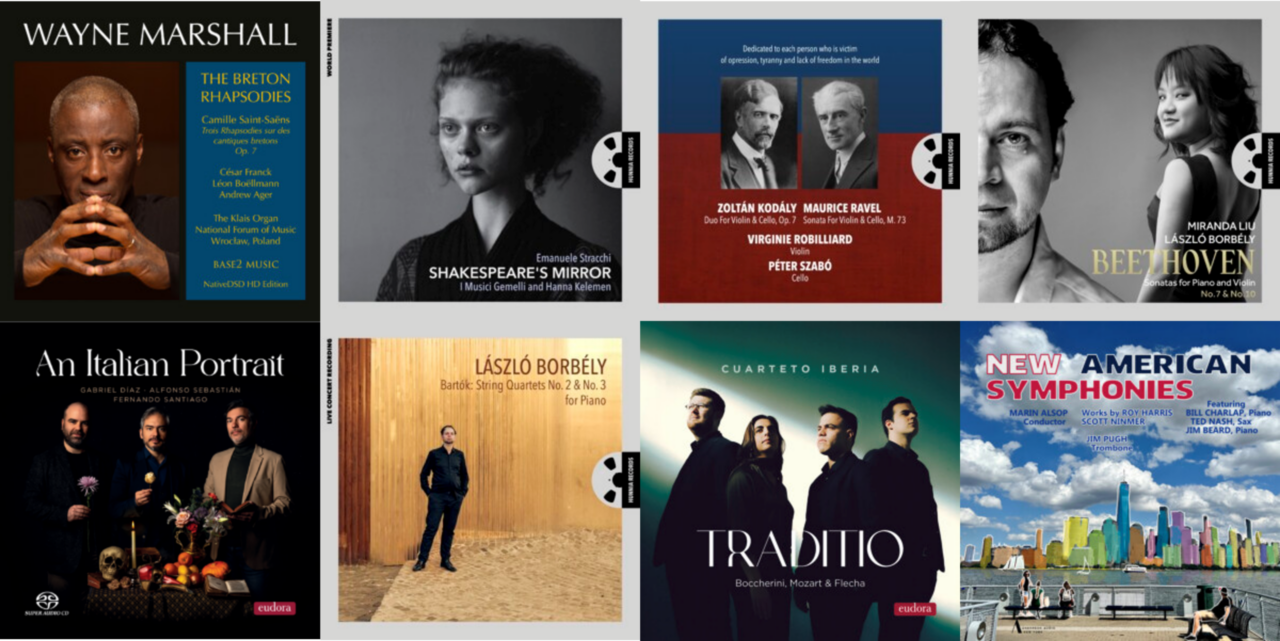



Over the past few weeks, my listening has been filled with enjoyable discoveries: four Pure DSD256 releases from Hunnia and Eudora (four!); another excellent LSO Live release with Gianandrea Noseda; a superb performance of Handel's Theodora; a fine new recording from Barry Diament on his Soundkeeper label—who has something to teach popular and folk music engineers about their craft—and a provocative cycle from Canadian cellist and composer Vincent Bélanger.
There is much to enjoy among these releases, and I hope you find something here that piques your interest.
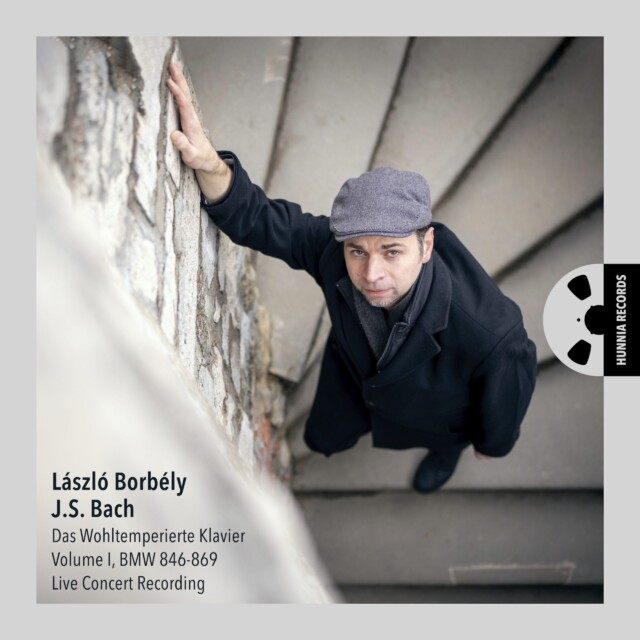
Bach, Das Wohltemperierte Klavier (The Well Tempered Clavier), Volume I, László Borbély. Hunnia Records 2026 (Pure DSD256) Edit Master Sourced HERE
I am always intrigued to hear another performance of The Well-Tempered Clavier, if only to discover what fresh insight it may offer. László Borbély's new Hunnia recording proves very much its own journey. It is not "novelty" in the Glenn Gould sense; rather, it conveys the feeling of a lifetime's private relationship with the work made public.
In the accompanying booklet, Borbély describes the cycle as his "musical breviary," something he has returned to daily since childhood. That intimacy comes through unmistakably. This sounds less like a demonstrative "statement recording" than like a pianist revealing how these pieces live in his fingers, his mind, and his inner ear.
That sense of inward connection is characteristic of so many of Borbély's performances, whatever the repertoire.
I have always found the most compelling accounts of The Well-Tempered Clavier to be those that balance the horizontal singing of each voice with a larger emotional and architectural arc. There must be an ongoing give-and-take, a true dialogue, rather than the mere execution of mechanistic keyboard exercises.
Borbély captures that beautifully. There is an improvisatory sense of line and harmonic timing that may remind some listeners of jazz phrasing, even though his training is firmly classical. The voices seem to arrive, answer, and lean naturally into cadences. The lines remain in constant motion; they carry momentum, rhetorical tension, and release—a genuine exchange of statement and response rather than static notation set into motion.
Many WTC recordings tend to fall into one of two camps: cool, Apollonian clarity (Schiff, Suzuki, some Hewitt) or strongly personalized poetic inwardness (Fischer, Tureck, Gulda). Borbély takes an especially engaging middle path, combining warm sonority with disciplined transparency.
The result is a performance that humanizes The Well-Tempered Clavier through long acquaintance, as though it were an ongoing daily conversation. The music gains an intimacy that many "great" recordings, for all their authority, somehow miss.
The invited-audience live setting further strengthens the result. This is playing shaped by concentration, affection, and the palpable act of sharing, rather than by studio perfectionism. The listening experience is richer for it.
Appreciatively recommended.
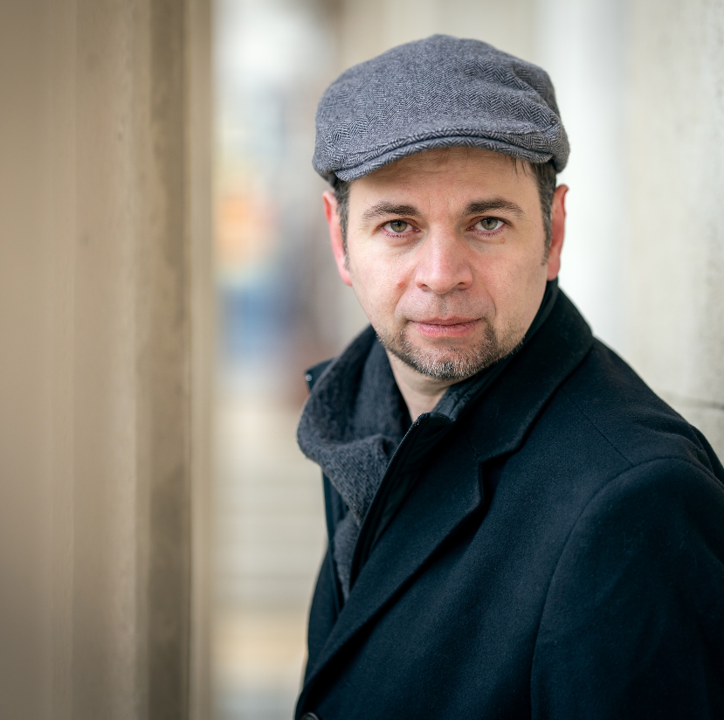
László Borbély
The Many Faces of J.S. Bach, Gil Sullivan. Hunnia Records 2026 (Pure DSD, Stereo) Edit Master Sourced HERE
If you'd enjoy a bit more variety in your Bach listening, consider this very attractive new recording from Gil Sullivan. I have always admired his performances for their direct, no-nonsense style, and I have recommended all of the recordings he has made to date for Hunnia Records—clear evidence, I suppose, that I simply enjoy hearing him play. His Bach may not be the most nuanced I know, but it remains consistently engaging and deeply enjoyable.
What especially recommends this album is the wonderfully varied selection of Bach works Sullivan has chosen to include. He begins with two transcriptions by the great German pianist Wilhelm Kempff: the Chorale Prelude in F minor, BWV 639, Ich ruf zu dir, Herr Jesu Christ, and the Siciliano from the Flute Sonata in E-flat major, BWV 1031. Those opening choices alone are enough to endear the album to me, as I grew up listening to Kempff—who, in my mind, could do no wrong.
From there, Sullivan shifts gracefully into selections from The Well-Tempered Clavier, Book II, before moving to the complete Partita No. 1 in B-flat major, BWV 825. He then returns to more Well-Tempered Clavier, followed by the Six Little Preludes, BWV 933–938, and closes with the ever-delightful Italian Concerto in F major, BWV 971. The sequence creates a true survey of Bach's keyboard imagination, moving effortlessly among devotional intimacy, contrapuntal rigor, dance elegance, and concerto brilliance.
In sum, this is a lovely recital from a masterful pianist: all J.S. Bach, yet constantly changing in character, mood, and form. That diversity makes for an especially engaging and entertaining visit with one of today's most enjoyable recording artists.
Add to this compelling program the luscious sound Hunnia captures in Pure DSD, and the result is an album I am very happy to recommend.
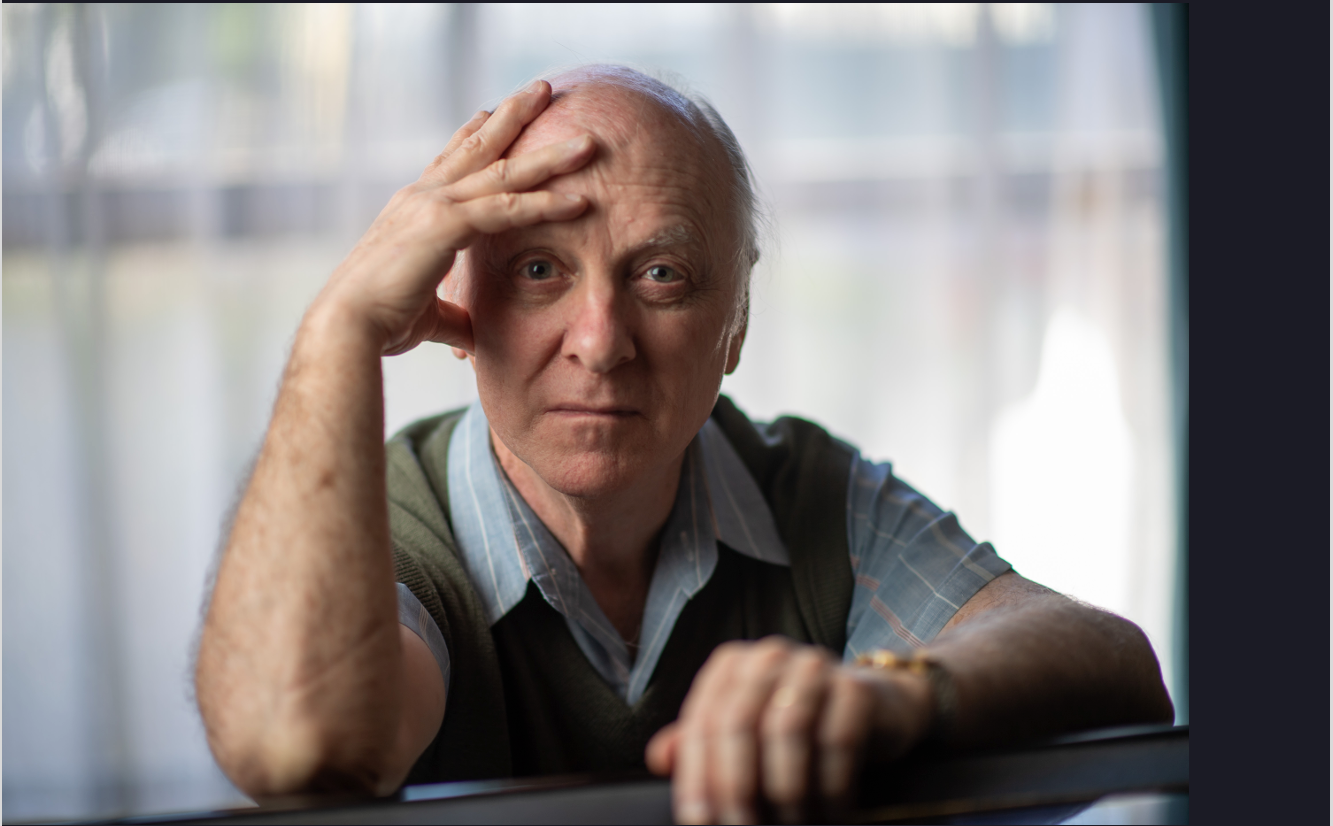
Gil Sullivan

Liszt: Not Just Fingers, Gil Sullivan. Hunnia Records 2026 (Pure DSD256, Stereo) Edit Master Sourced HERE
Liszt transcribed songs by many composers. His transcriptions of Schubert alone number nearly sixty, while other sources include Beethoven, Mendelssohn, Wagner, Schumann, and Chopin. Yet in all of these works, Liszt was never merely repeating at the piano what the original composer had written. Invariably, he brought a deeply personal creative contribution to each transcription.
Gil Sullivan writes, for example, that Dedication (Widmung) is "one of Schumann's most famous and beloved songs, dedicated to Clara Wieck as a wedding present. Its warmth and tenderness are sensitively captured in Liszt's arrangement until he takes flight, animating the music into something more powerful and 'Lisztian,' with a chordal final statement that brings this famous transcription to an exciting close."
From the many astonishing contemporary accounts of Liszt's playing, we know he may well have been the greatest pianist in history. His transcriptions also served an invaluable cultural role, bringing works otherwise heard only in concert halls or opera houses into people's private homes. A fine example here is Liszt's transcription of the Polonaise from Eugene Onegin, which opens the opera's third act and is performed by Sullivan in track seven.
Sullivan gives us a compelling sense of the breadth of Liszt's genius in both transcription and original composition. Just look at the variety represented in this program:
1. Liebeslied, S. 566 (After Schumann's Widmung, Op. 25 No. 1)
2. Années de pèlerinage, Deuxième année 'Italie', S. 161: I. Sposalizio
3. Années de pèlerinage, Deuxième année 'Italie', S. 161: V. Sonetto 104 del
Petrarca
4. Harmonies poétiques et religieuses III, S. 173: No. 7, Funérailles
5. Deux Légendes, S.175: No. 1: St. François d'Assise: La Prédication aux oiseaux
6. Deux Légendes, S.175: No. 2: St. François de Paule marchant sur les flots
7. Concert Paraphrase from Eugene Onegin by Tchaikovsky, S. 429, R. 262:
Polonaise
8. 19 Hungarian Rhapsodies, S. 244: No. 6 in D–Flat Major
To the point of the album's title, these are not simply dazzling displays of digital dexterity—a complaint too often raised whenever Liszt's name appears. Rather, the works Sullivan has selected reveal the personal, caring, and deeply insightful dimension of Liszt's genius. Passages of immense lyrical beauty predominate throughout. In that sense, the title is exactly right: Not Just Fingers, but music that tugs at the emotions and heightens one's awareness of beauty in the world.
And with Gil Sullivan, I find myself constantly surprised, occasionally amused, and always better educated by what I hear him doing in his interpretations of the music he plays. Never predictable, consistently unique (just listen to what he does with the Hungarian Rhaspodies in track 8), and always a pleasure to hear his recitals!
Exquisitely performed and lusciously recorded, the full resonant sound of the Steinway Model D concert grand is simply stunning.
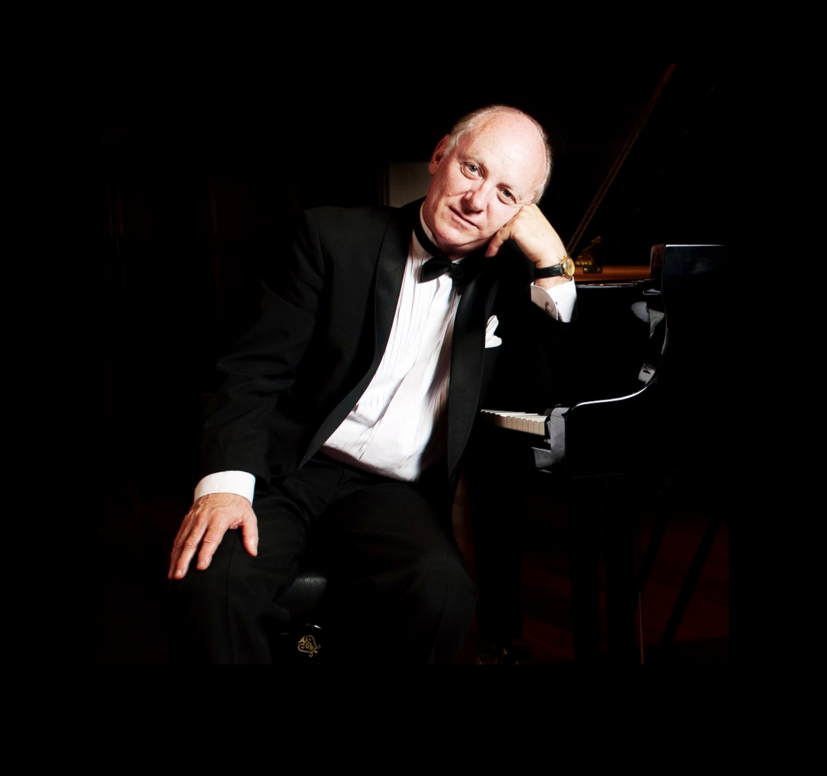
Gil Sullivan
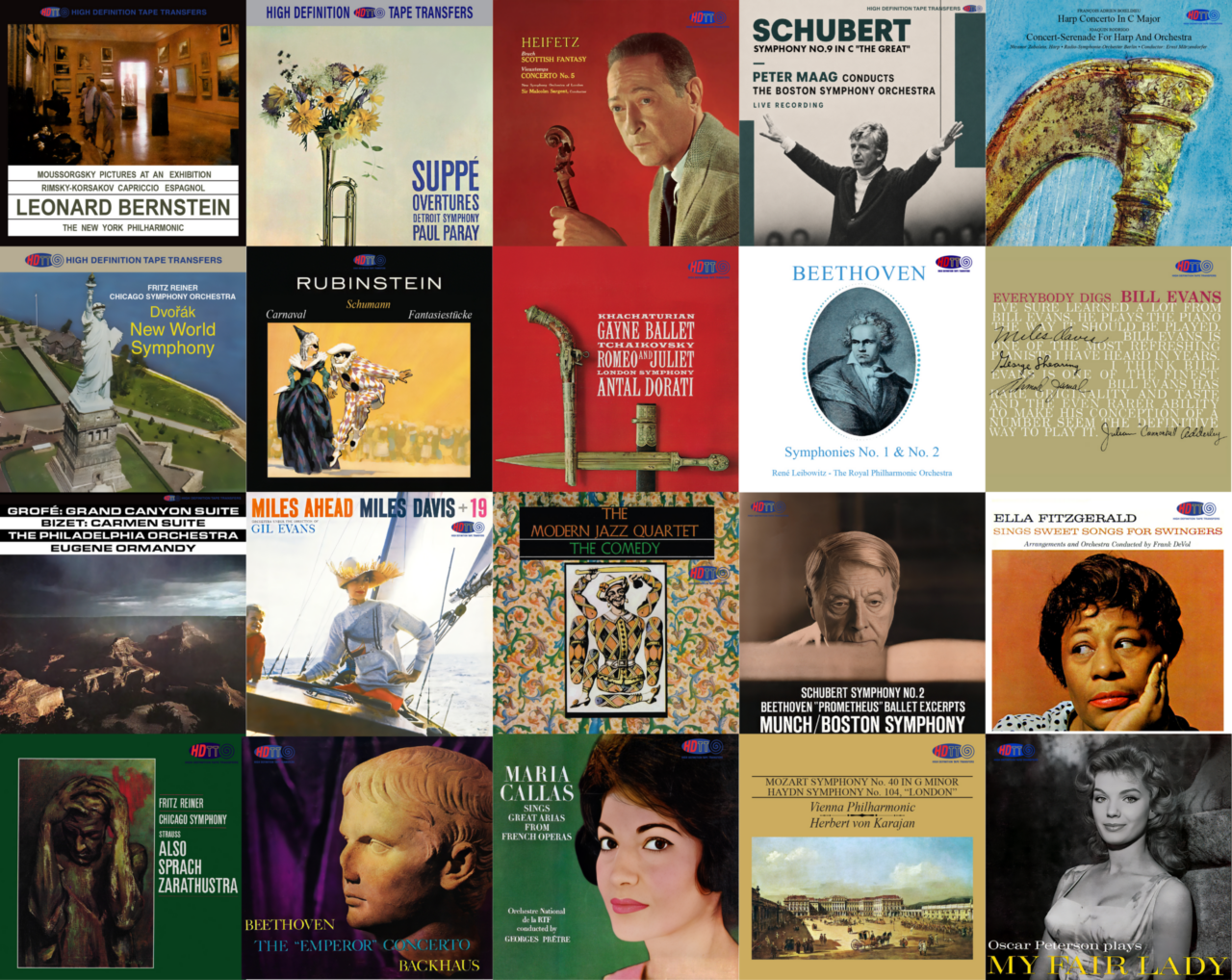
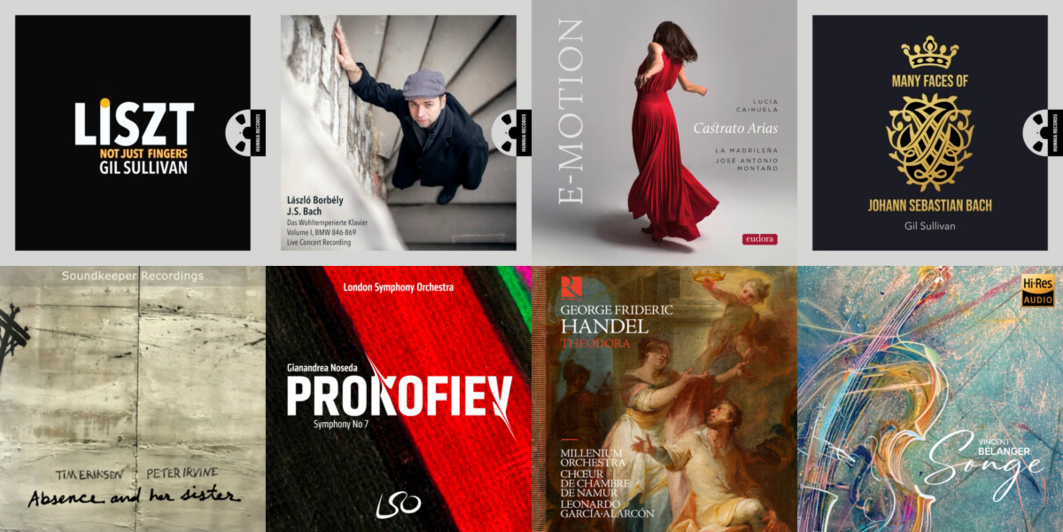
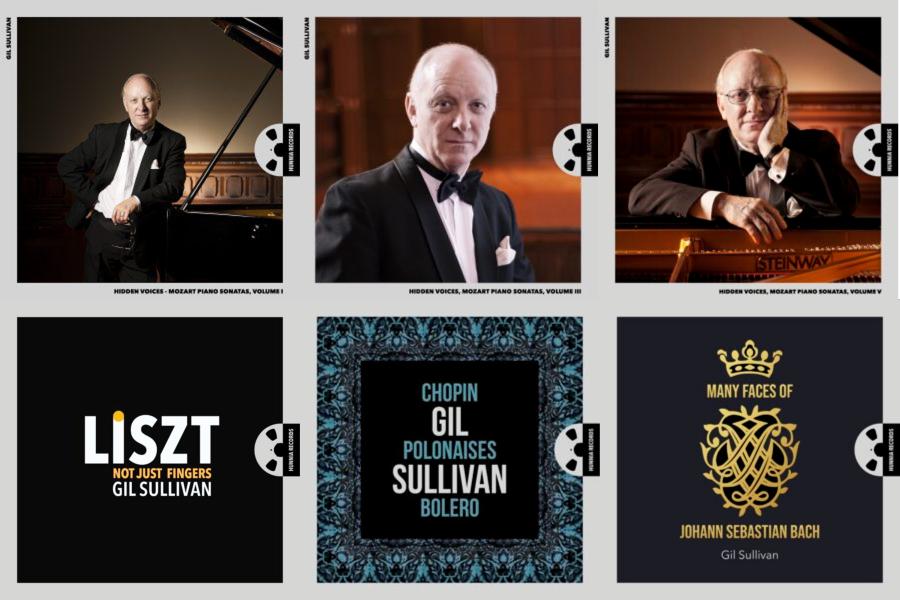
For reviews of Gil Sullivan's recordings—from the complete Mozart sonatas in six volumes to Chopin and Liszt—explore this search link. Here are some of the album covers to look for:
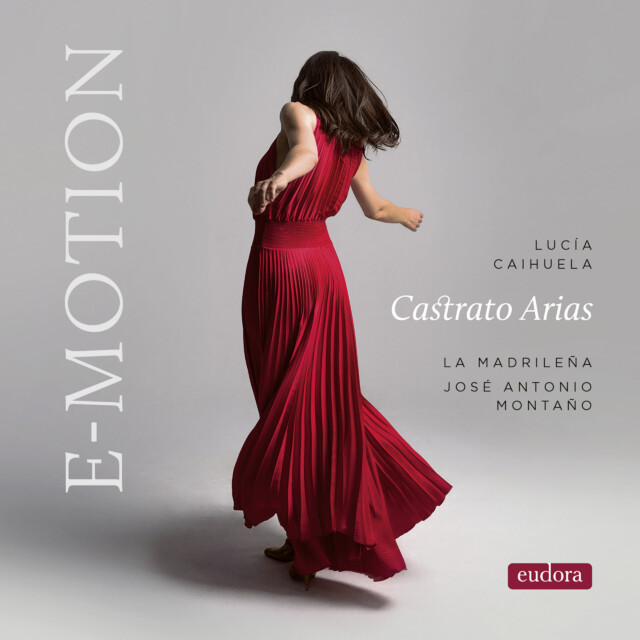
E-MOTION, Lucía Caihuela, La Madrileña, José Antonio Montaño. Eudora Records 2026 (Pure DSD256, Stereo, MCh) Edit Master Sourced HERE
E-MOTION, with Lucía Caihuela, La Madrileña, and José Antonio Montaño, is one of those releases that immediately announces itself through energy, color, and a vivid sense of movement.
What I find especially enjoyable is the way it seems built around the idea suggested by the title itself: emotion in motion. Caihuela's singing has a wonderfully communicative directness, and La Madrileña under Montaño responds with rhythmic alertness and bright orchestral character. The performances feel animated from within rather than merely driven from the podium, which gives the music an organic sense of propulsion.
Of course, my enjoyment of this album is driven in good part by my affection for the genre itself: historically informed performance of music from the Baroque and early Classical periods. The fact that so much of the music is new to me—often by composers whose work I have not previously encountered—adds greatly to my delight in this release.
One of the most appealing aspects of Eudora productions is Gonzalo Noqué's ability to combine technical polish with musical spontaneity, and this release continues that tradition. The orchestra's textures are clear and highly resolved, but Caihuela remains the emotional center of the program. There is a real sense of dialogue between soloist and ensemble, which keeps the album from feeling like a simple showcase vehicle.
The emotional range is also a major pleasure. Rather than relying only on virtuoso brilliance, the program moves through contrasting moods—lyric introspection, nervous momentum, flashes of Iberian warmth, and moments of almost cinematic sweep. That variety makes the title feel earned. It becomes a marriage of expressive immediacy and refined orchestral collaboration, as the performers realize the album's concept through constant rhythmic life, tonal color, and genuine communicative warmth.
This album is another example of the artistically curated modern classical releases that Eudora does so well: distinctive repertoire, first-rate musicianship, and an engineering style that gives space and air to the performance without ever turning the sonics into the point.
Yet the Pure DSD256 sonics are always appreciated for the tremendously natural way in which the music emerges. I've shared comparisons of tracks converted to DXD for mastering versus Pure DSD256 in various free downloads in other articles. If you've not explored those for yourself, you might wish to do so in order to experience what I consistently rave about.
Born in Madrid, Lucía Caihuela grew up surrounded by music, singing at home with her mother and grandmother. At 19, she decided to pursue a career in singing, completing her first degree at the Arturo Soria Conservatory in Madrid. She then moved to the Netherlands, where she graduated cum laude in Early Music Singing from the Conservatorium van Amsterdam. She frequently collaborates with ensembles such as The Netherlands Bach Society, Collegium 1704, Al Ayre Español, Forma Antiqva, El Afecto Ilustrado, La Guirlande, Orpheus Baroque Stockholm and L'Apothéose, among others.
La Madrileña is an orchestra specializing in historically informed performance of the Baroque and Classical periods and performing exclusively on period instruments. Under the direction of José Antonio Montaño, the ensemble has established itself as one of Spain's leading groups in the recovery, performance and dissemination of Europe's musical heritage, with particular attention to the Spanish repertoire. La Madrileña's work is structured around projects that combine musicological research with performance practice, resulting in concerts, staged productions and highly significant recording projects.
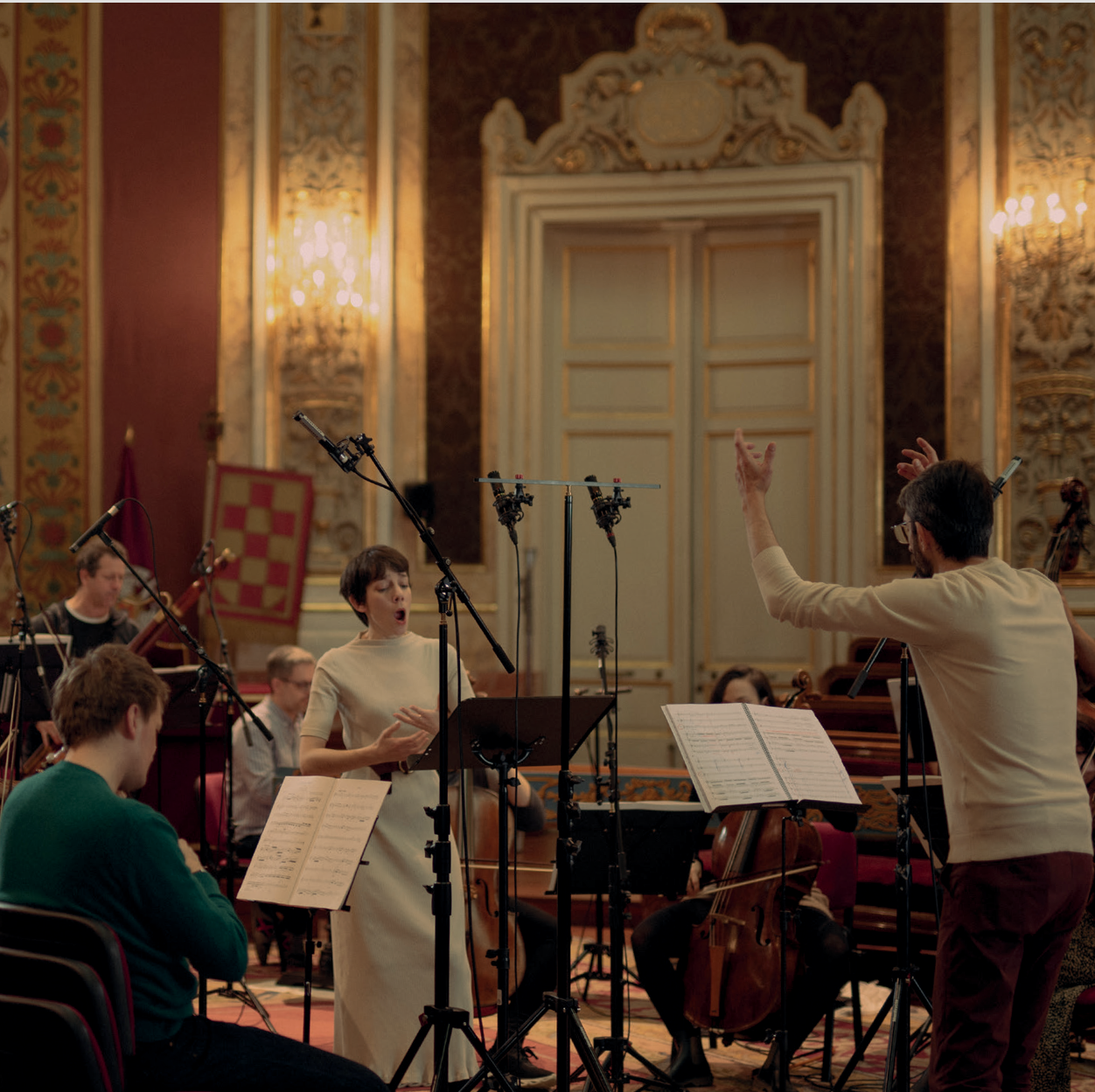
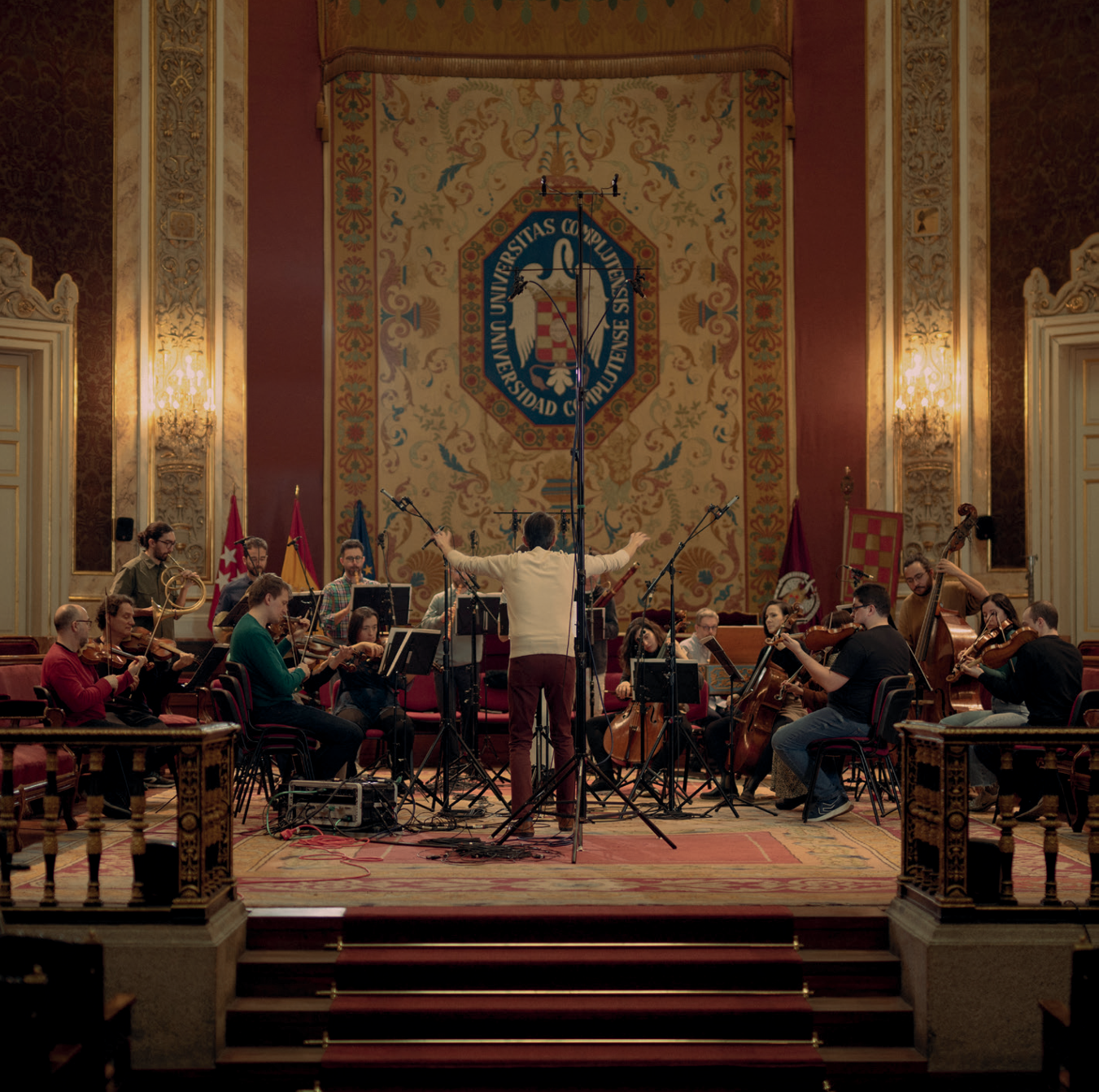
Recording sessions February 24 - 28, 2025, Universidad Complutense's San Bernardo Assembly Hall, Madrid, Spain
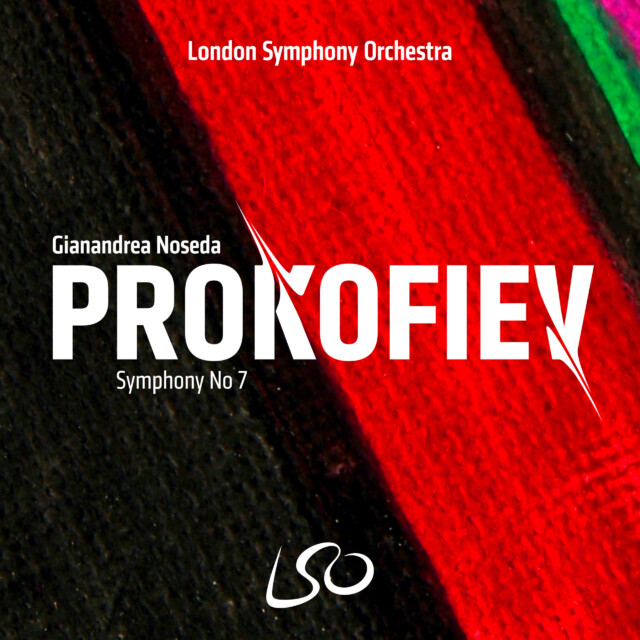
Prokofiev Symphony No. 7, Gianandrea Noseda, London Symphony Orchestra. LSO Live 2026 (DXD 32-bit, DSD256, Stereo, MCh) Edit Master Sourced HERE
Noseda's performance with the LSO of Prokofiev's last symphony is, to my ears, one of the most emotionally balanced modern accounts of this deeply bittersweet work.
What I hear so often in Noseda's conducting, and with abundant presence here, is a lovely clarity of line and emotional honesty. But important in this symphony that lives in a world of memory and autumnal melancholy is restraint. Noseda seems to understand that this music's power comes from never pushing too hard. In some hands it easily turns either sentimental or under-characterized—Noseda finds the middle path beautifully.
The work's nostalgic and emotionally restrained character is central to the score itself, especially in the reflective first movement, the Cinderella-like waltz, and the quietly devastating original quiet ending.
And it is Noseda's handling of the original version of the ending that I particularly relish. The temptation is to make it playful and bright, but Noseda keeps the cheerfulness slightly provisional, so when the music turns inward again the emotional effect lands naturally. Using the original quiet ending, the result is deeply moving, with the ticking percussion figures sounding less whimsical than existential. That restraint is what sets this reading apart.
In summary, this is a beautifully judged, unsentimental, but deeply felt Prokofiev Seventh. And the sound quality is excellent. The recording engineers working on these LSO Live performances seem to have sorted out a process that tames the Barbican's notorious sonics of which many attendees complain to give us recordings in recent years that are eminently listenable, with good balance, resolution, and sound staging.
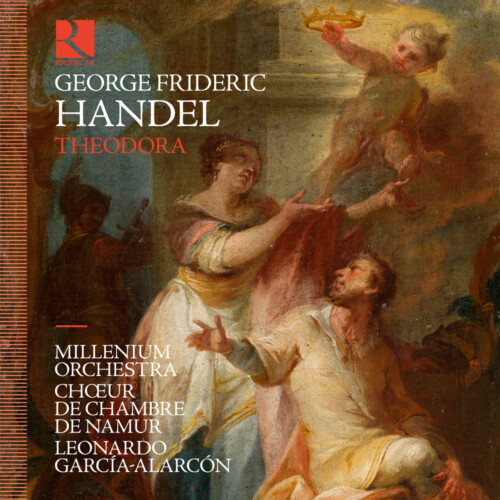
Handel, Theodora, Chœur de Chambre de Namur, Leonardo García-Alarcón, Millenium Orchestra. Ricercar 2026 (192k, Stereo) Edit Master Sourced HERE
I enjoy Handel's operas and oratorios. There is far more to be found within his wide range of compositions than Messiah. And Theodora, HWV 68, is one such work. It never achieved popularity in Handel's own lifetime, for reasons that have nothing to do with the excellence of the music.
In Handel's day, Theodora was one of his least successful works—performed only three times in its premiere run—but modern opinion has almost completely reversed that judgment, and the work has risen enormously in stature. It is now often described as one of Handel's greatest dramatic achievements, and it has become a frequent presence both in concert performance and in staged opera houses, from Glyndebourne to Salzburg and beyond.
Unlike Solomon, Saul, or Judas Maccabaeus, Theodora is not driven by public spectacle or ceremonial grandeur. It is Handel's most inward dramatic oratorio: a work of conscience, private faith, and ultimately martyrdom. Not exactly an uplifting fate for either the heroine or her protector—and perhaps not the sort of ending to send audiences into ecstatic enthusiasm. But the inner drama is intense.
The choruses of the pagans can sparkle with outward theatrical life, but the real heart of the score lies in the Christian scenes: the choruses of inward conviction, Irene's consoling music, and above all the extraordinary final duet between Theodora and Didymus.
Conductor García-Alarcón is especially strong in repertoire where the line between opera and sacred drama becomes porous, and Theodora thrives on exactly that ambiguity. The Millenium Orchestra and Chœur de Chambre de Namur are ideal forces here, capable of both rhetorical drama and chamber-like transparency. With García-Alarcón's gift for long emotional line, supple pacing, and vocal intimacy, this performance becomes a triumph of subtle emotional energy.
The quality of the singing—both solo and choral—is consistently high, and very much in keeping with the inward character of the work.
The soloists avoid operatic grandstanding. Instead, the emphasis is on clarity of line, expressive restraint, and text. Theodora's music is shaped with a kind of quiet intensity, never forced, allowing the character's inner strength to come through without exaggeration. Didymus is similarly well judged—lyrical, poised, and deeply sympathetic. Irene's music, which can easily become merely pious, is given warmth and real human presence, making her consolations feel lived rather than declaimed. All of the soloists inhabit Handel's long vocal lines with ease. There is no sense of pushing for effect. Phrasing unfolds easily. And ornamentation, where used, feels naturally integrated.
Sophie Junker: soprano (Theodora)
Dara Savinova: mezzo-soprano (Irene)
Christopher Lowrey: counter-tenor (Didymus)
Matthew Newlin: tenor (Septimius)
Frederico Projecto: tenor (Messenger)
Andreas Wolf: bass (Valens)
The chorus, Chœur de Chambre de Namur, is outstanding throughout. They bring both precision and expressive weight, shifting effortlessly between the brighter, more extroverted pagan choruses and the inward, devotional character of the Christian scenes. Their sound is clean, well-balanced, and transparent, allowing the counterpoint to register clearly without ever feeling clinical.
Taken together, the vocal forces feel proportioned to the scale and spirit of the work—exactly what Theodora requires.
In summary, this is a work with no heroic battle scenes, no triumphalist choruses, and no easy uplift. Instead, Theodora offers deeply personal drama, culminating in one of Handel's most moving tragic conclusions. It is now widely regarded as one of Handel's late masterpieces, despite its failure at the 1750 premiere. Quite possibly, Theodora speaks more directly to modern audiences today than it did to Handel's own listeners in 1750.
Very nicely done—a performance and a recording to be applauded. Congratulations to all involved.
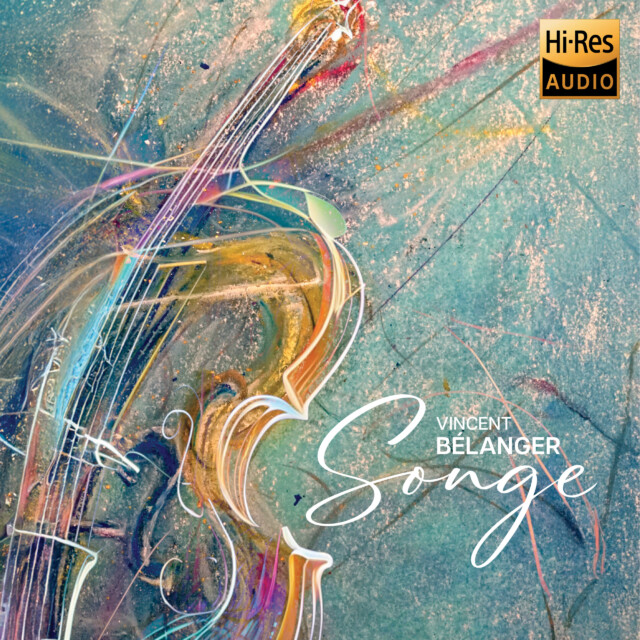
Songe, Vincent Belanger (composer and cellist) and friends. VBMP 2026 (96k*, DSD256, Stereo) HERE
Canadian composer, cellist, and music director Vincent Bélanger has been creating some very interesting musical projects. His most recent is a recording centered on his own compositions, alongside two works by André Gagnon, in which Bélanger is joined by a group of talented musicians in varying combinations of cello, harp, violin, double bass, and voice, performing both ensemble and solo works.
The album begins "in the emptiness of a moment suspended in time" as a solo harp whispers its search in a movement titled Solitude. "A solitary soul walks along an invisible path, surrounded by a particular silence, one heavy with a palpable presence. A wandering harp whispers its questions, its hesitations… Where does this path lead? A flicker of light glimmers in the darkness, but it remains distant, out of reach."
From this engaging opening, the album invites the listener into a journey of exploration and discovery. It moves from ensemble passages with voice wandering through mysterious space, to an evocative instrumental tango, to a gentle passage through ancient themes, only then to be jarred by the chaos that shatters the harmony-that-was in Choc—a genuinely emotional experience. From there comes an awakening, with voice joining the ensemble, followed by reconciliation in the dialogue of cello and double bass, with its shades of Bach, and finally a gradual arrival at calm, reassurance, and contentment over the closing movements.
I describe these as movements, not songs, because I find the greatest enjoyment in allowing the album to unfold as one holistic work. It moves in an arch from track to track, almost as through a dream, with changing combinations of instruments, shifting emotions, and a continual sense of wonder. This is an album that truly demands to be heard in the sequence Bélanger conceived when assembling its connected parts.
Bélanger tells the story in the enclosed booklet, bringing us along movement by movement through the soundscape he is creating. It all works. It all makes sense. It is absorbing and rewarding throughout. Do yourself a favor and make your first listen a session from start to finish: follow the arch, movement by movement, from opening to conclusion.
One of the goals of this project was clearly to create a recording at the highest possible audiophile standards. Recorded in a church in Montreal, the instruments resonate into a large natural acoustic environment, and that resonance remains noticeable even through the fairly close multi-microphone technique used to capture each instrument specifically and in detail.
The resulting multi-miked mix does not offer quite the sort of naturally integrated soundstage one might hear from a more minimally miked recording—and I do miss that—but it remains convincing in the natural timbre of the individual instruments, which is beautifully preserved.
Overall, I highly recommend this album for its highly emotive musical content, the graceful arch of the story it tells, and the natural timbre captured in the individual instruments.
* The original recording was made both to analog tape (for the vinyl release) and in digital for the digital release. Mixing for the digital edition was done at 96kHz/24-bit, and I am not clear on the resolution of the original digital tracks. Nonetheless, since 96kHz is the resolution of the edit master, that is the resolution in which I am listening. VBMP promotes the DSD256 (and higher-resolution) versions in which the album is available, but all are derived from this 96kHz edit master, and on my primary audio system the edit master consistently sounds best. Depending on your DAC, your experience may differ from mine. I would love to hear a straight DSD256 transfer from the analog tape edit master—assuming, of course, that an all-analog edit master tape exists.
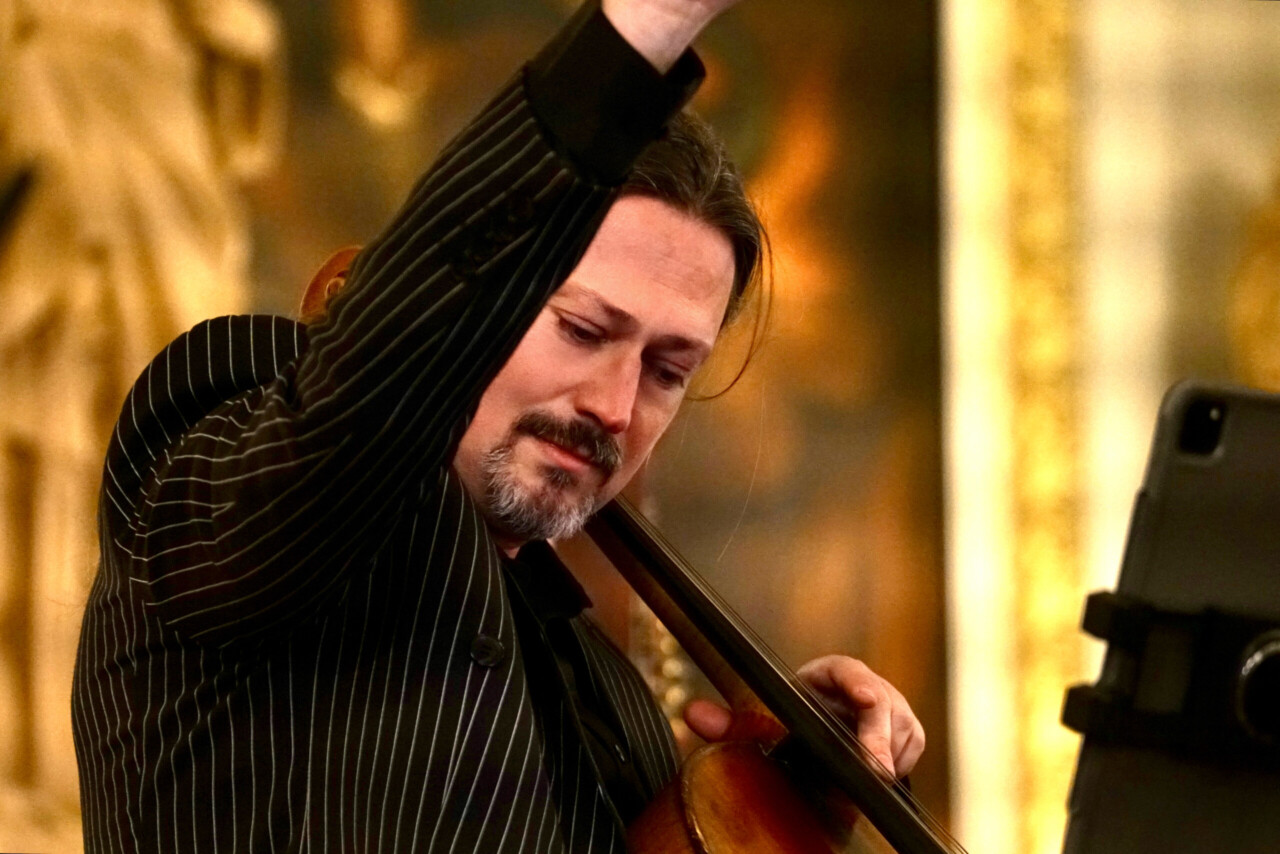
Vincent Belanger
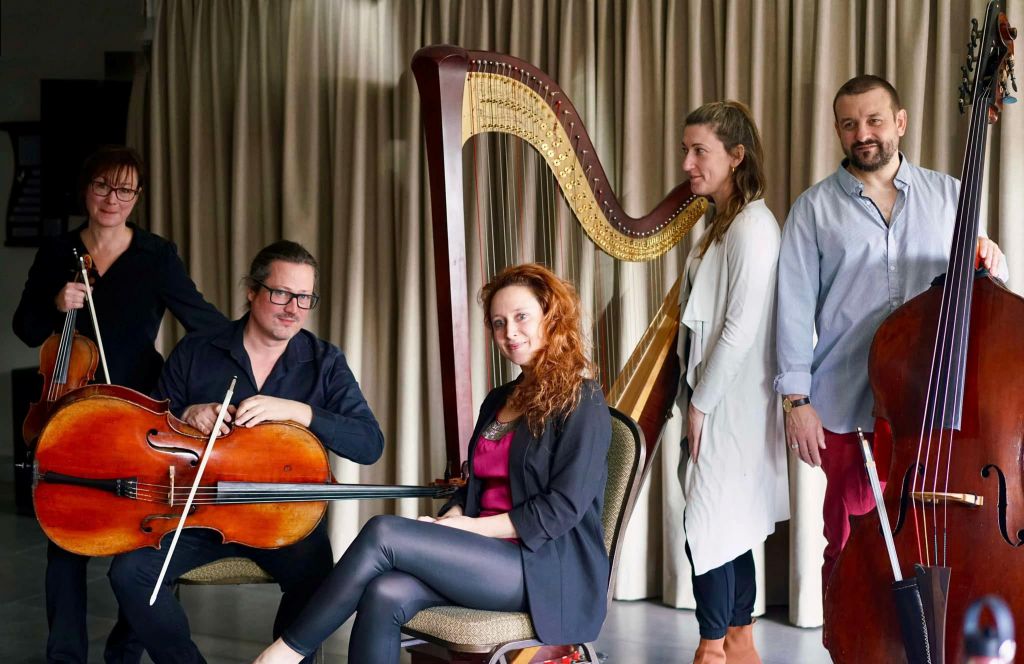
Véronique Turcotte, Vincent Belanger, Amélie Moïse, Annabelle Renzo, and Étienne Lafrance
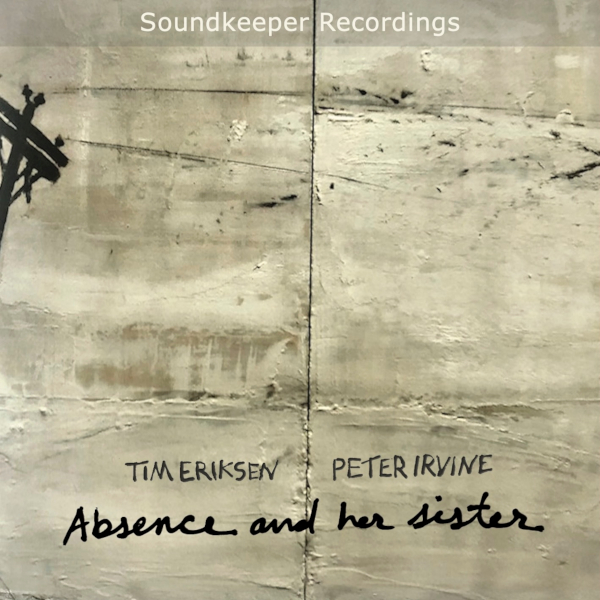
Absence and her sister, Tim Erikson and Peter Irvine. Soundkeeper Recordings 2026 (192k, Stereo) HERE
This release is just an absolute musical and sonic treat—a wonderful combination not often found in the various folk and traditional music recordings that have found their way to my listening room. More about the sound engineering below, but first the music.
Tim Eriksen is a highly regarded singer of American folksong and shape-note music, as well as a songwriter whose work has been covered by Alison Krauss, Joan Baez, and Bonny "Prince" Billy. With Absence and her sister, he joins longtime collaborator Peter Irvine (percussion and voice) in a return to their roots in folk minimalism and Gothic Americana.
The two are perhaps best known for their musical contributions to films including the Oscar-winning Cold Mountain and the cult horror phenomenon The Outwaters, as well as for being founding members of Cordelia's Dad, "the only band to have performed with both Doc Watson and Nirvana."
This is an album of imagination, minimalist restraint, and the deep musical synergy of longtime collaborators. The stories are both strange and strangely familiar. The casual listener might call the songs "dark," but if you don't immediately hear the duo's delight in them, listen again more closely. Even in its darkest moments, Absence and her sister shines with creativity, compassion, and the gentle humor of two musicians who clearly love playing together—and have done so for a very long time.
For most of the songs, Eriksen provides voice, guitar, and fretless bajo sexto**, while Irvine's suitably sparse percussion—drum set and frame drum—brings understated virtuosity.
In the epic tale of ghostly vengeance, "As She Sank She Rose Again," Eriksen forgoes instrumentation altogether, relying instead on the compelling a cappella balladry for which he is so celebrated.
Recording engineer and producer Barry Diament captures Eriksen and Irvine with the three-dimensional immediacy of live performance. With minimal miking, no overdubs, and no post-processing, this recording has an authenticity that is rare in this genre, so often burdened by studio manipulation. This is a recording to celebrate.
** A bajo sexto is a traditional Mexican 12-string instrument arranged in six double courses primarily used to provide both bass foundation and rhythm.
A bit of a celebration for the engineering on this album...
Too often, excellent musicianship is marred by producers who feel the need to place their own obtrusive sonic stamp on top of the music. Those releases become demonstrations more of the producer's aesthetic than the performers'—and are poorer for it.
Here we have natural, traditional music rooted in the 19th century, performed with great care and authenticity by vocalist and instrumentalist Tim Eriksen and his longtime percussion partner Peter Irvine. The performances emerge from my audio system as if Eriksen and Irvine were in the room with me, sharing their music directly.
How does this happen? It comes from Barry Diament's commitment to getting the "stuff" out of the way of the music—to capture the performance in as live and unadulterated a manner as possible.
Barry describes his goal for Soundkeeper Recordings this way: "to make recordings with all the musicians playing live, in real time. The musicians determine the musical balances and musical dynamics. They are recorded directly to stereo. There are no overdubs. There are no mixes. We call it 'recording without a net.' The prime interest is in capturing the feel of the performance, the excitement and emotion that make the music what it is. This is preferred over a note-perfect performance with less feel. If the feel is there and the players agree, we consider it a take."
And the result is a transparent window onto authentic music-making. There is an organic "rightness" to recordings from Soundkeeper that I wish more non-classical labels would give us. I applaud the work Barry is doing—more people in the industry should be listening to these results.