

Bert van der Wolf's lifelong dream of creating a dedicated recording venue with superb natural acoustics and attached mastering studio finally became a reality with the purchase and restoration of a nineteenth-century church in Heerewaarden. Following extensive acoustic renovations, the first recordings took place in late 2025. I've followed this remarkable project since Bert first announced that he'd found the perfect location only a few miles from his home. The first release from the new studio – a superb solo piano recording with Dora Deliyska (review HERE) – offered an enticing glimpse of what the venue might achieve.
We now have the second commercial release from High Street Studio, this time featuring the engaging Quartetto Altemps. And if the inaugural piano recording hinted at something special, Romanticismo Italiano confirms it. Once again, Bert's "Music Temple" reveals itself as an exceptional recording venue. The sound is open, transparent, exquisitely detailed, and supported by a beautifully natural acoustic bloom that allows every instrument to breathe and the harmonic overtones to fully develop. Listening has been an absolute pleasure.
Congratulations, Bert. Your vision has become a reality – and the recordings themselves are the proof.
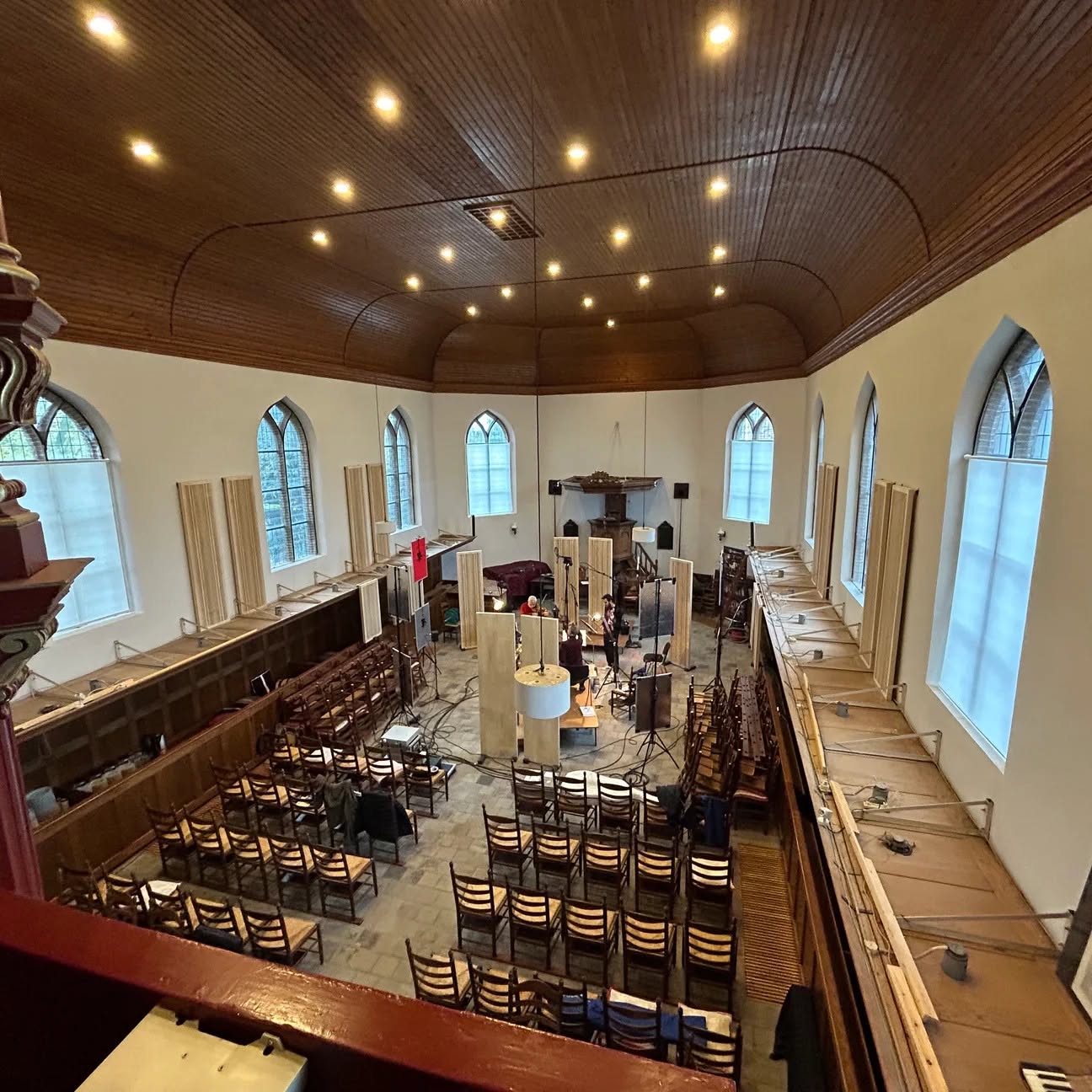
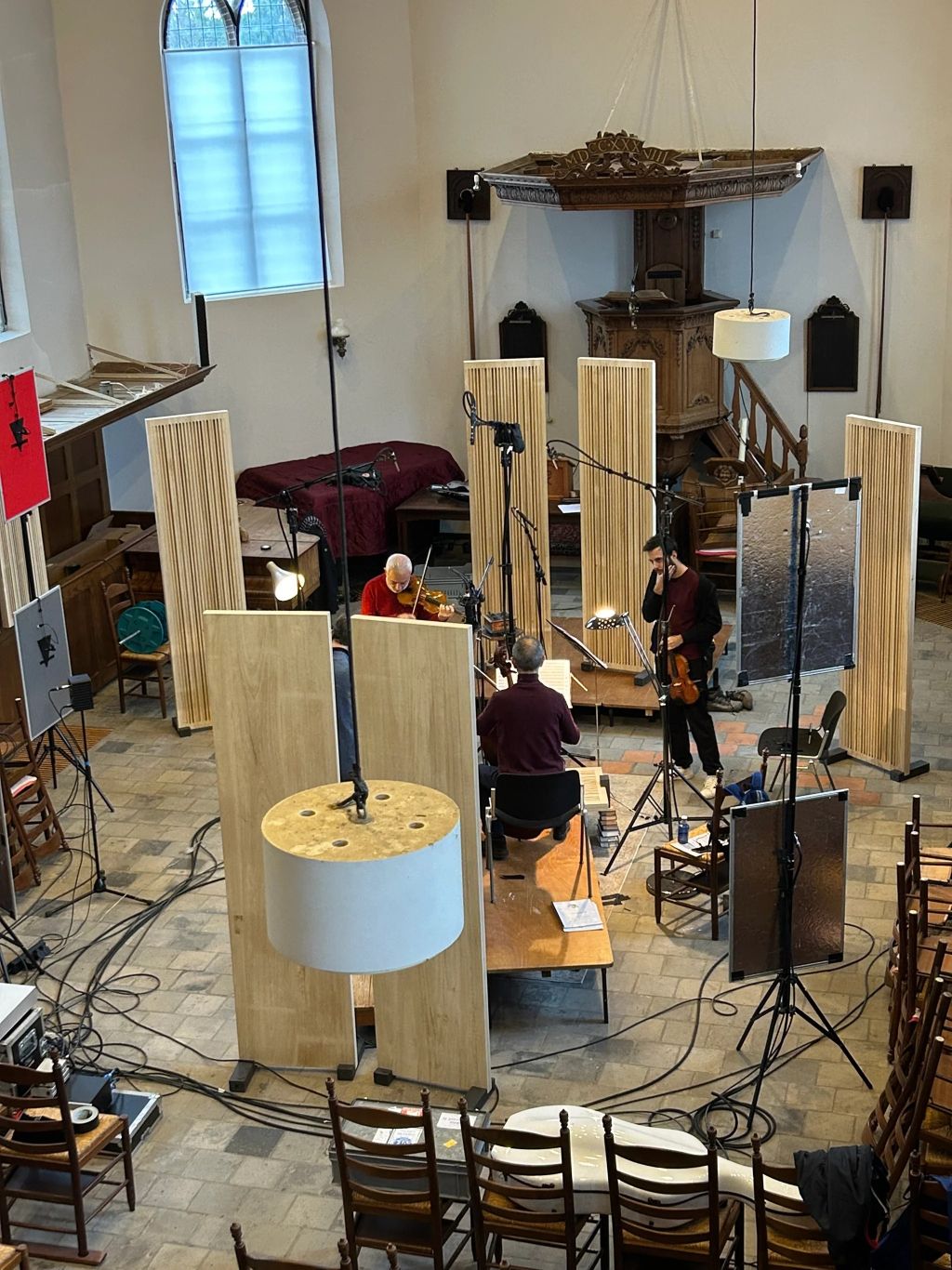
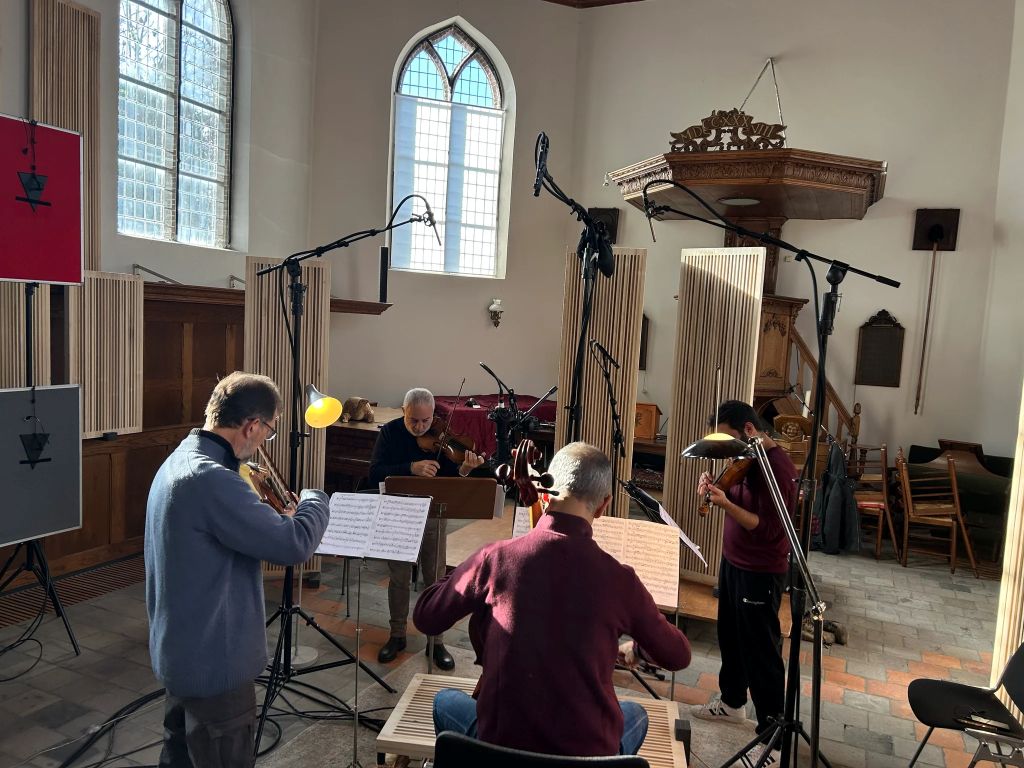
Recording session with Quartetto Altemps at High Street Studio, Heerewaarden, Netherlands, in November 2025.
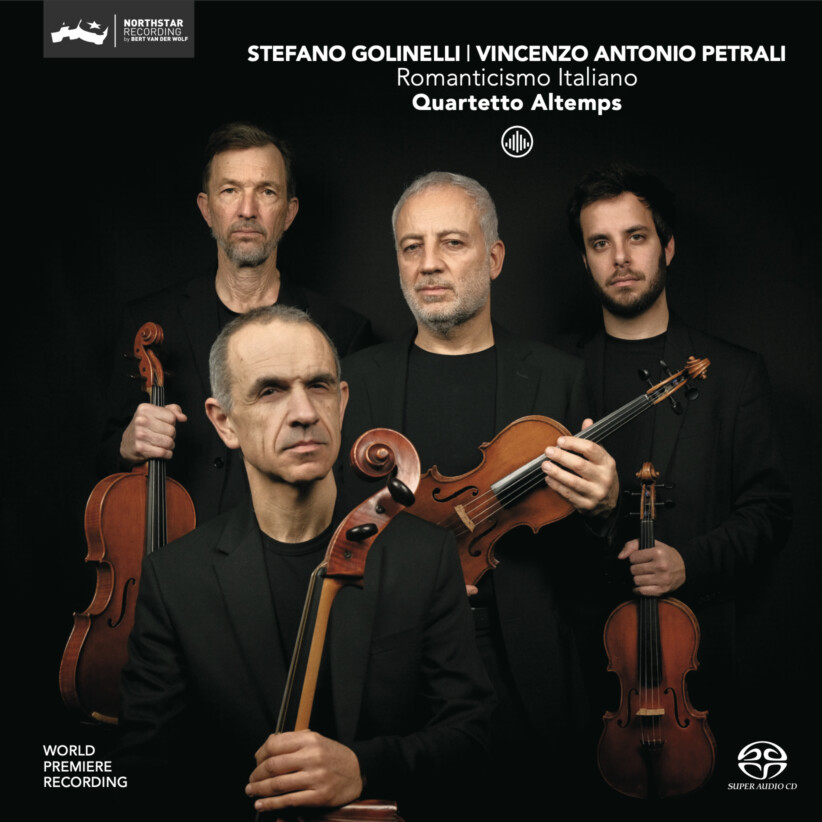
Romanticismo Italiano, Quartetto Altemps. Challenge Classics | Northstar Recordings, 2026 (DXD, DSD256, Stereo, MCh, Immersive) HERE
Quartetto Altemps have chosen repertoire entirely new to me – a circumstance I always welcome. Discovering unfamiliar music is one of the great pleasures of reviewing recordings. These are works firmly rooted in the the nineteenth-century European tradition, yet drawn from musical archives rather than the standard concert repertoire. (After all, how many additional recordings of The Four Seasons does the world really need?)
The program opens with music by the nineteenth-century Italian composer, pedagogue, and concert pianist Stefano Golinelli (1818-1891). While still a young man, Golinelli attracted the attention of the Accademia Filarmonica of Bologna, undoubtedly aided by the encouragement of Gioachino Rossini, who championed his career. In 1840, at Rossini’s recommendation, Golinelli was appointed Professor of Piano at the Bologna Conservatory, a post he held for more than three decades.
His String Quartet Op. 100, No. 1 (1854) opens with a driving, descending, rhythmic figure in the violins that immediately commands attention. The remaining player soon join, and the music unfolds across ten compelling minutes of harmonic restlessness and rhythmic vitality. Periodically, that opening violin motif returns almost as an emphatic reminder – as though asking "Are you listening?" The movement brims with wit, energy, and inventions, while the ensemble plays with completer unanimity, each musician instinctively anticipating the others.
The succeeding movements are no less engaging. A relaxed, lyrical Andante gives way to a spirited Presto, enlivened by persistent cello pizzicatos and the recurring descending violin figure, before a buoyant Allegro agitato brings the work to an energetic conclusion filled with light, passion, and optimism. It is an immensely enjoyable composition, performed with conviction, precision, and infectious enthusiasm. When it ended, I found myself wanting more.
The album continues with the String Quartet in G Major (1884 version) by organist and composer Vincenzo Antonio Petrali (1830-1889). Here the mood shifts noticeably. The music is calmer, more poised, and perhaps more refined, providing exactly the kind of contrast that thoughtful programming should offer. Once again, Quartetto Altemps demonstrates exceptional ensemble playing as musical ideas pass effortlessly from one instrument to another before merging into a unified expressive voice.
Known to his contemporaries as il Principe degli organisti ("The Prince of Organists"), Petrali was a remarkably versatile musician. In addition to organ and piano, he played violin, viola, cello, double bass, and the brass instruments. This breadth of experience allowed him to flourish in both sacred and theatrical settings as performer, conductor, and composer. Although celebrated primarily as on of Italy's greatest organ virtuosos and improvisers, he also devoted considerable attention to chamber music. The discovery of the autograph manuscript of this quartet among Petrali's organ manuscripts in Biblioteca Civica Angelo Mai has now resulted in this world-premier recording by Quartetto Altemps.
Rossini's influence is readily apparent, yet Petrali also demonstrates a sophisticated understanding of the Central European quartet tradition inherited from Mozart, Haydn, Beethoven, Mendelssohn, and Schubert. His command of harmony is especially impressive, lending the work both warmth and expressive depth. In my view, this quartet deserves to stand comfortably alongside the finest Italian chamber music of the nineteenth century, including Verdi's String Quartet in E minor and Bottesini's string quartets. It is a thoroughly rewarding discovery.
This recording by Quartetto Altemps has left me eager to hear much more from the ensemble, particularly if future projects continue under Bert van der Wolf's exceptional recording skills. Equally exciting is what this release says about High Street Studio itself. As I noted in the introduction, the recorded sound is exceptional: clear, natural, richly detailed, and supported by an acoustic resonance that allows the harmonic overtones of the strings to develop and shimmer with remarkable delicacy. With two outstanding releases now to its credit, High Street Studio has demonstrated that is is every bit as successful a home for intimate chamber music as it proved to be for solo piano.
Bert's long-held dream has become something far more significant than an impressive building. He has created an instrument in its own right – one capable of serving both musicians and listeners at the very highest level.
Enthusiastically recommended!
All images courtesy of Bert van der Wolf.