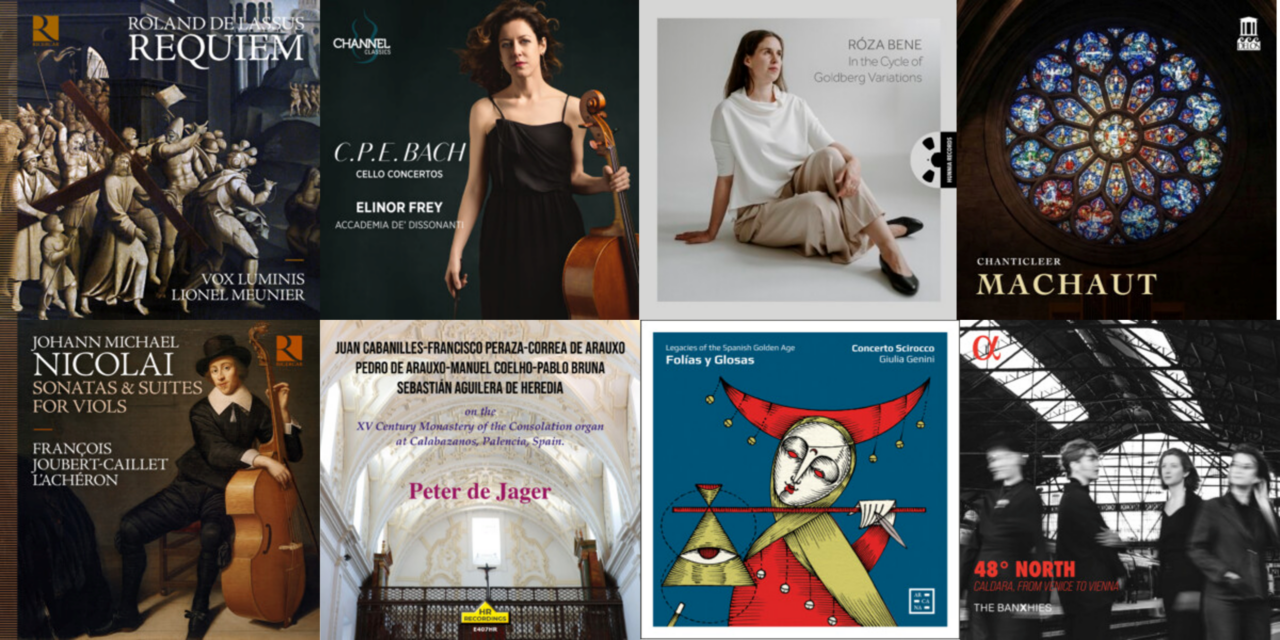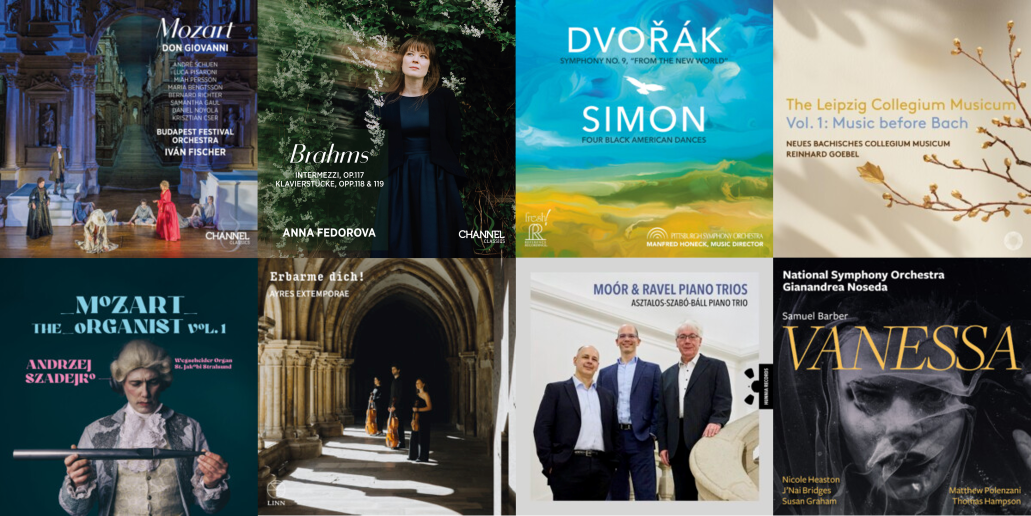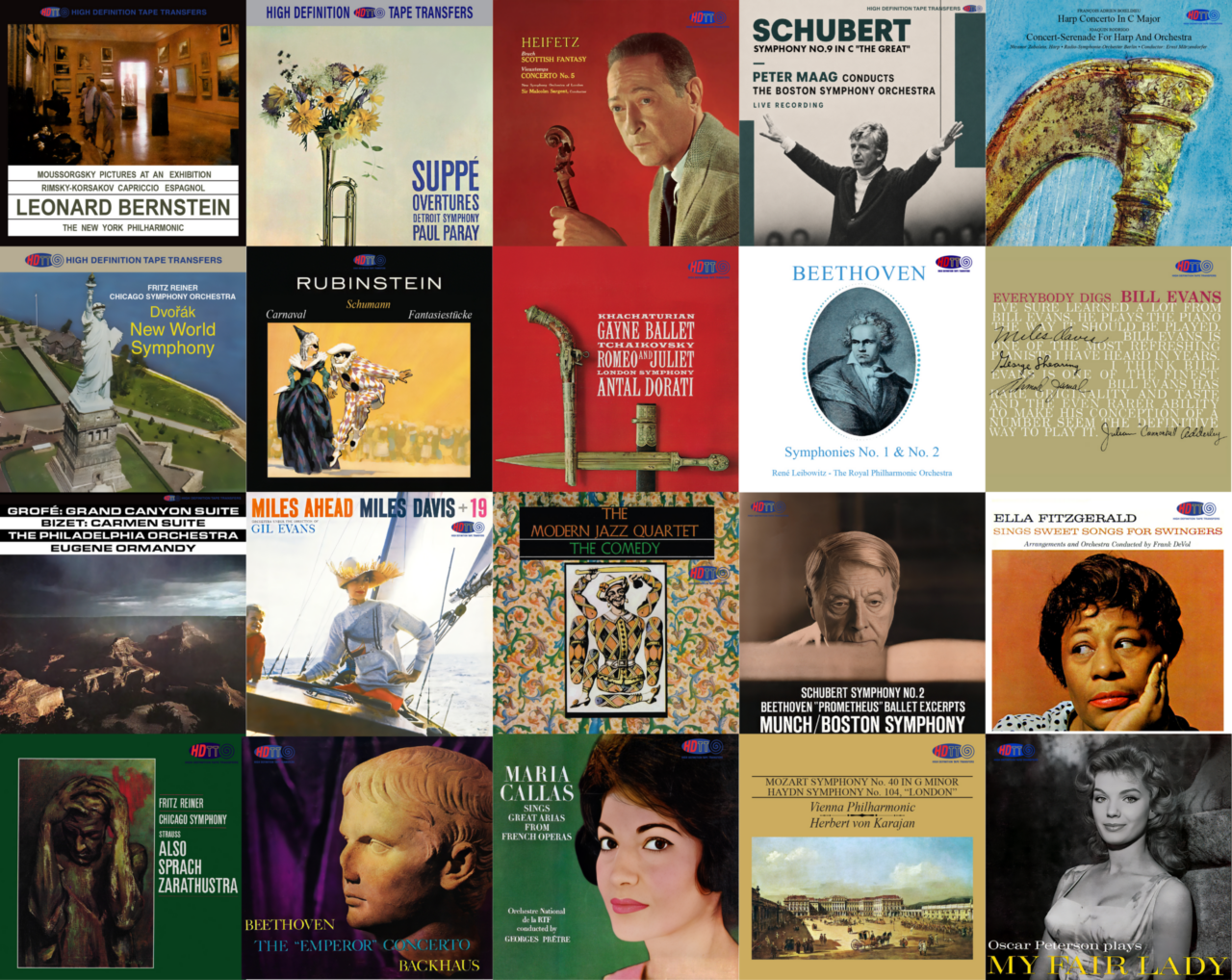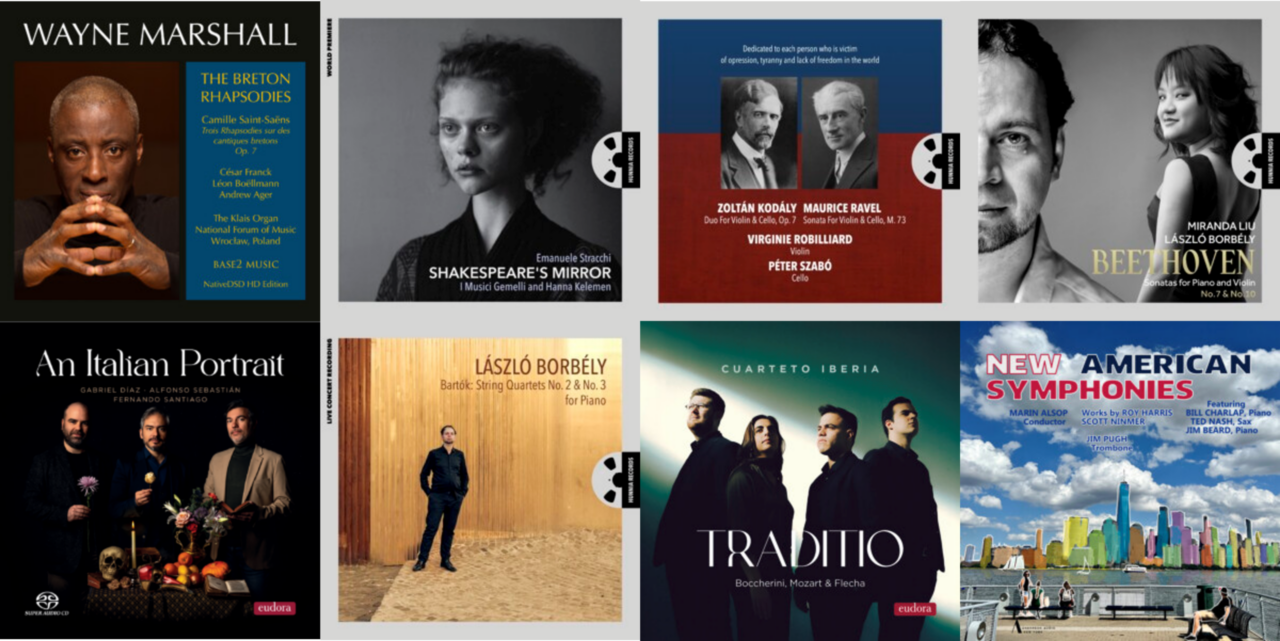

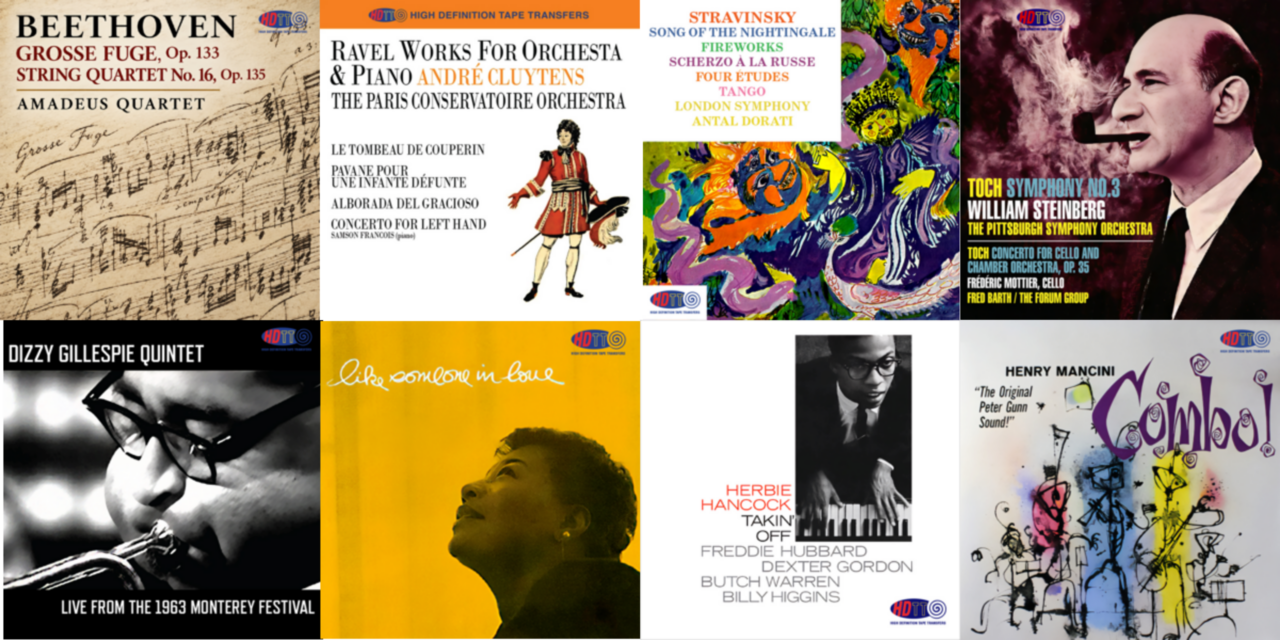
Bob Witrak has been busy, and I've been listening—and enjoying! Again in this series of albums, Bob has accomplished something which I highly value in his reissues: he allows the original recording to be what it was, while bringing as much transparency and resolution to his releases as the original source will allow. And that is quite typically very, very good—often better than any other digital reissue of the same recording that I've been able to find. Enjoy.
This time around, I have four classical albums and four jazz albums to share, so I've divided them into different groups. Different music, different eras, different recording circumstances, but the same approach to preserving and presenting the original recordings.
Enjoy.
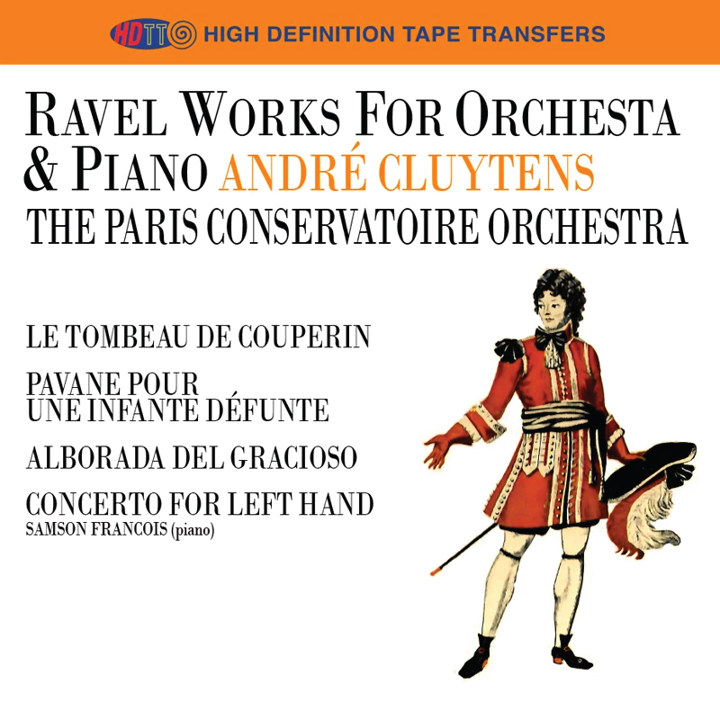
Ravel Works For Orchestra and Piano, André Cluytens, Samson Francois (piano). The Paris Conservatoire Orchestra. HDTT 1959/1962, 2016 (DXD, DSD256) HERE
These very well-known works of Ravel are ravishingly performed by André Cluytens and the Paris Conservatoire Orchestra. Originally recorded by EMI in 1959 and 1962, they have remained touchstones of excellence in the catalog ever since, and some may well consider them definitive performances.
HDTT transferred these recordings from 4-track tapes in 2016, and I apologize for not mentioning them until now because they are truly excellent transfers of these wonderful recordings.
André Cluytens had a gift for striking that rare balance between sensuous impressionistic color and crystalline neoclassical precision. The Paris Conservatoire Orchestra of this period played with an unmistakably French tonal palette, particularly evident in the bright, penetrating woodwinds and broad, powerful brass. The clarity of the playing gives Ravel's intricate voicings remarkable definition and sparkle. Combined with Cluytens' characteristically rigorous architectural control, the result is a lean, propulsive energy that can sometimes be missed in other performances.
Following brilliant performances of Le Tombeau de Couperin, Pavane pour une infante défunte, and Alborada del gracioso, the program culminates with the monumental Concerto for the Left Hand in D major, featuring the celebrated French pianist Samson François.
Commissioned by the one-armed pianist Paul Wittgenstein, the concerto provides a dark and dramatic blending of jazz-infused idioms and brooding, martial heroism. François attacks the keyboard with ferocious power and dynamic intensity. Cluytens mirrors this volatility by grounding the orchestral accompaniment in deep, ominous textures while maintaining a lean, almost chamber-like transparency. It is a performance that is justly well regarded.
I've long considered this recording one of the most successful of EMI's various orchestral ventures, with a wide soundstage, excellent detail and instrument separation, and sharply delineated dynamic shifts. Listening to this transfer from 4-track tape, my opinion of the recording is further heightened. HDTT has brought out more of the characteristic openness, transparency, and dynamic range that make a good analog reel-to-reel tape so compelling.
This is one of those HDTT transfers that makes me want to go back and listen to a recording I thought I already knew.
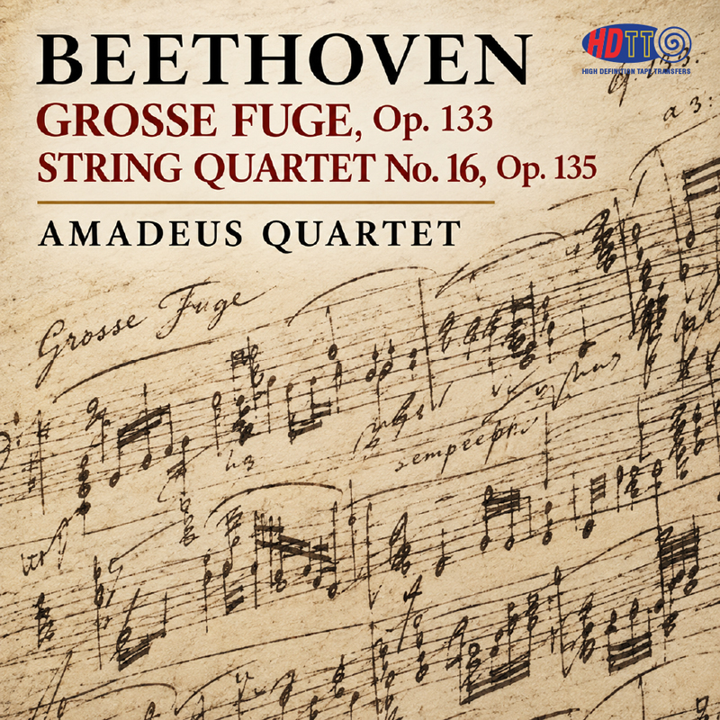
Beethoven Grosse Fuge & String Quartet No. 16, Amadeus Quartet. HDTT 1962/1963, 2026 (DXD, DSD256) HERE
This recording of Beethoven's glorious music for string quartet by the Amadeus Quartet has been in my music library in one reissue or another since I first awakened to classical music during my high school years. It went missing when the rest of my vinyl moved out of the house, and I'm so glad to find it once again in this new reissue by HDTT from a 4-track tape, which sounds even better than I recalled.
Released by Deutsche Grammophon in 1963, the Grosse Fuge, op. 133, and String Quartet No. 16, op. 135, are among the last of Beethoven's compositions. They reflect some of the great master's most complex and deeply reflective musical ideas.
Grosse Fuge was originally written as the crushing, ultra-modern finale to the String Quartet No. 13, Op. 130. It is famous for its extreme dissonance, rhythmic intensity, and visionary complexity. It left contemporary listeners bewildered, and the historical accounts of its first reception are fascinating. And understandably so—it was dramatically ahead of its time. Beethoven's publisher, Matthias Artaria, had bought the rights to the quartet but soon realized he had a massive financial problem on his hands. The sheet-music market relied heavily on amateur musicians buying scores to play at home, and Artaria believed that the extreme difficulty of the fugue would make the quartet difficult to sell. He suggested that Beethoven publish the fugue separately and compose a new finale for Op. 130. Beethoven agreed, and the new finale was written in the autumn of 1826.
no one was going to buy a quartet anchored by a 16-minute wall of aggressive, unplayable dissonance that at least one critic described as incomprehensible. (See Wikipedia's article.)
I find all of this a fascinating story of artistic independence, fierce pride of composition, and commercial realities. Unfortunately, the uncoupling of Grosse Fuge left it rarely performed during much of the 19th century. Its reputation gradually changed, however, as composers and musicians in the 20th century began to recognize the extraordinary modernity of the work.
Today, quartets performing String Quartet No. 13 are faced with a bit of a dilemna: play the new, shorter, and cheerful, sonata-rondo final movement, or play the original massive fugue it replaced. Fortunately, in many recordings one can choose either or both, as in the excellent cycle of the late string quartets by Narratio Quartet reviewed here. (For what it may be worth, Narratio Quartet choose to play the Grosse Fuge as the final movement of the String Quartet No. 13, offering the new finale as a separate track. It makes a completely different listening experience.)
The accompanying work on this album from the Amadeus Quartet is Beethoven's String Quartet No. 16. Written in 1826, it stands as Beethoven’s final completed string quartet and his final major completed composition. It is also a striking departure from the massive, dense, and revolutionary structures of his other late quartets and certainly of the massive Grosse Fuge. At just 25 minutes, it is surprisingly concise, classically structured, and displays an almost Haydnesque wit and geniality.
Each movement balances a surface of lightheartedness with flashes of late-period profundity. The first two movements are conversational and witty, filled with syncopated musical jokes. The third movement finds the emotional core of the work. With its utterly profound, prayer-like tranquility, sparse instrumentation, and lingering silences, the music creates a stark, devastating intimacy before fading away.
The final movement contains the famous "Must if be?" sequence, opening with a dark, agonizing Grave introduction where the viola and cello grimly ask: "Muß es sein?" (Must it be?). Then the tempo snaps into a joyful, energetic Allegro as the violins triumphantly answer: "Es muß sein! Es muß sein!" (It must be! It must be!). Is this the deep, existential or metaphysical dialogue some musical scholars have made of it, or is it the lighthearted inside joke that other researches claim was the original inspiration? I'm inclined to the latter view, but minds can vary.
Oh, the inside joke? Ann tells me I can't simply mention this and not share what it is. As the story goes, a wealthy amateur musician, Ignaz Dembscher, had not attended the premiere of Beethoven's Op. 130. When Dembscher later wanted the parts so he could have the quartet performed privately, Beethoven insisted he pay the subscription fee he had missed. Dembscher reportedly groaned, "Must it be?" Beethoven found the question amusing and responded with a four-voice canon Es muss sein! ("It must be!), ending with the wonderfully appropriate Heaus mit dem Beutel!—"Out with the wallet!" Beethoven subsequently incorporated the Es muss sein motto into in the finale of Op. 135.
In all events, the recordings made by the Amadeus Quartet of Beethoven's string quartets, this recording perhaps above all others, stand as reference points from which to contemplate other interpretations. They play with confident mastery, their insights are significant and compelling—capturing both the humor and the deep complexity of Beethoven's creations. And the sound quality with which their performances were captured by DGG engineers is most enjoyable.
My thanks to Bob Witrak for delving into his sources of 4-track tapes to reissue this recording—it is a treasure.
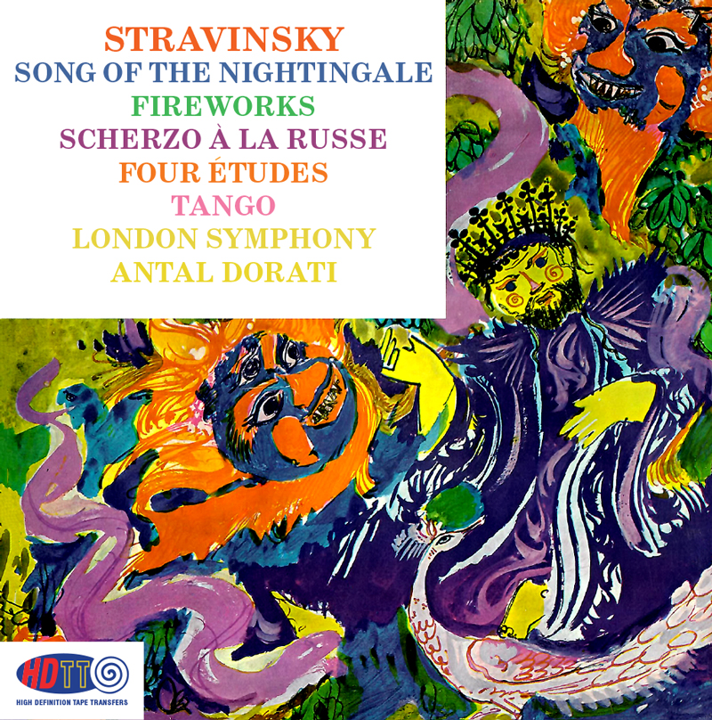
Stravinsky Music, Antal Dorati London Symphony Orchestra, Antal Dorati, London Symphony. HDTT 1964, 2026 (DXD, DSD256) HERE
Antal Dorati brought us delightful performances of Stravinsky's major ballet works in his recordings for Mercury Records in the late 195s and early 1960s: Petroushka, The Firebird, Rite of Spring. And while I have enjoyed the recordings he made for Decca with the Detroit Symphony from 1977-1981, it is his earlier recordings with the Minneapolis and London Symphony Orchestras for Mercury Records that have most drawn my attention and admiration, particularly his recordings of music by early twentieth-century composers such as Bartok, Berg, Respighi, Schoenberg, Stravinsky, and Webern.
In this all-Stravinsky recording, Dorati's propulsive rhythmic energy brings several of Stravinsky's vividly concise compositions dramatically to life. Opening with the exuberant Scherzo à la Russe, immediately followed by the dazzling Fireworks, Dorati captures the essence of Stravinsky's characteristically brilliant sound. These works are followed by the coolly distanced Tango, almost a parody of the genre, and the precisely phrased Four Études for Orchestra. The recording concludes with a vivid rendering of The Song of the Nightingale and the contrasting The Mechanical Nightingale's Game.
Together, these works present a wonderful introduction to Stravinsky for anyone seeking an avenue for coming to grips with this complex composer. Dorati presents works that demonstrate multiple aspects of Stravinsky's musical personality: his wit and humor, his precise instrumentation, his economy of voice, his inventiveness, and his ability to turn a musical phrase on its head, keeping the listener consistently unbalanced and surprised.
The London Symphony Orchestra plays with tight ensemble and precise articulation throughout these works, making everything come startingly to life. Dorati and the orchestra sound completely attuned to each other, with the players responding dynamically, with sometimes with astonishing transient speed, to Dorati's rigorous interpretive demands.
Captured in June and July 1964 at Watford Town Hall by producer Harold Lawrence and engineer Robert Eberenz, these historic recordings are a cornerstone of the legendary Mercury Living Presence catalogue. The transfer is made from a 4-track tape and it sounds remarkably dynamically alive and transparent. I compared it with the SACD of this same music, and the HDTT transfer sounds considerably more open and immediate to me, with greater transparency and a sense of dynamic freedom that brings these performances vividly into the room.
This is another Mercury recording that reminds me why those old 4-track tapes remain such treasures. There is an immediacy and physical presence here that makes Dorati's Stravinsky sound as fresh and startling as it must have sounded when these recordings were made.
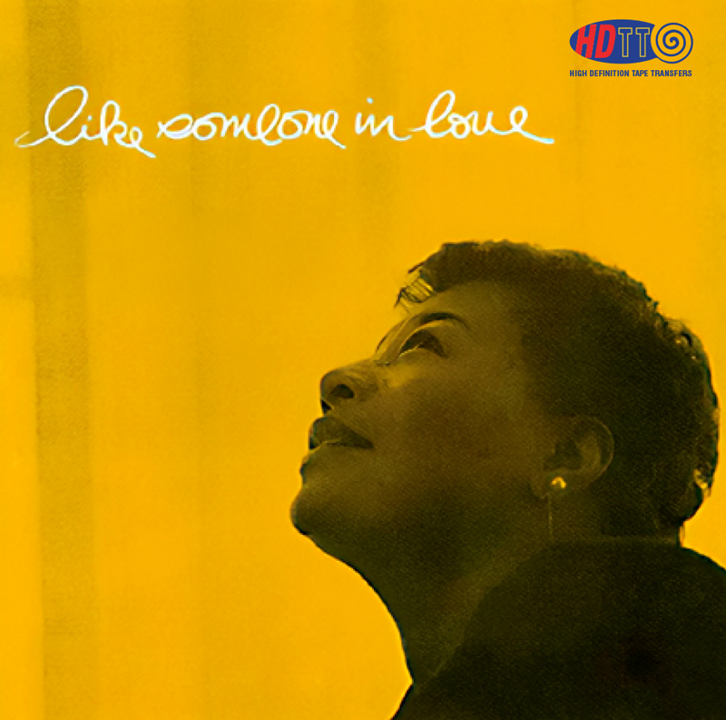
Ella Fitzgerald, Like Someone In Love. HDTT 1957, 2026 (DXD, DSD256) HERE
Ella at her most understated and romantic, and singing at the top of her game.
This is a classic collection that shows off her warmth, emotional depth, and peerless phrasing. Yes, there are some points at which the orchestration reaches into a lower register with which her voice is not quite comfortable, but overall this is remarkable presentation of some timeless standards. The album is a classic, and has remained in catalog through numerous reissues since its original 1957 release by Verve Records.
This album has long been among the several Ella Fitzgerald albums that I treasure most. Sensitive, poignant tenor saxophone solos by the legendary Stan Getz create dramatic impact on four of the tracks—I wish we could have heard more from him. For me, arrangement and orchestration can make or break albums such as this. And here I've always felt we had a winner—arranger and conductor Frank Vol gets this just right.
Ella commands every song with ultimate grace and sensibility making this a "must have" for my collection.
Sourced from a 4-track tape, Bob Witrak has released an excellent transfer, which I enthusiastically recommend to you. But if you already have one of the excellent Analogue Productions or the Japanese SACD reissues of this album, you may not need to replace it. While I hear slightly greater resolution and transient speed in the HDTT reissue compared to the Japanese SACD in my library, the differences are small—both are overall very similar. I've not heard the Analogue Productions SACD. I you have only the Redbook CD, well...
Oh, I am prompted by my listening partner to list the four tracks with the excellent Stan Getz solos. They are: There's a Lull in My Life, What Will I Tell My Heart?, Midnight Sun, and You're Blasé.
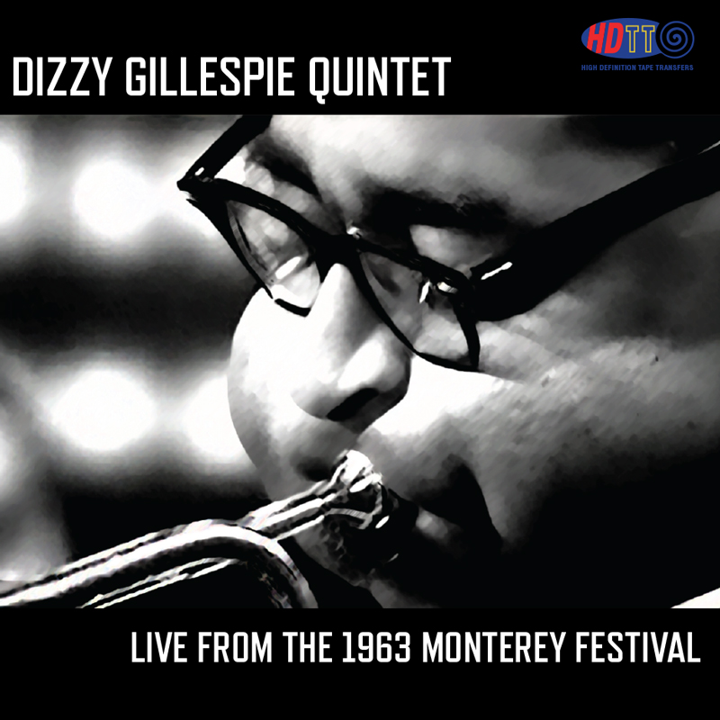
The Dizzy Gillespie Quintet, 1963 Monterey Jazz Festival. HDTT 2026 (DXD, DSD256) HERE
The 1963 Monterey Jazz Festival is one of those events whose place in jazz history has grown with time. Not everything that happened on the stage was fully appreciated in the moment, but looking back, this sixth annual festival weekend brought together an extraordinary collection of talent. Miles Davis and Thelonious Monk made their festival debuts, Gerald Wilson brought his big band, the Modern Jazz Quartet paid tribute to Martin Luther King Jr., and the legendary Jack Teagarden made what would be one of his final major appearances. And then there was Dizzy Gillespie, already a familiar presence at Monterey, who used the occasion to launch his tongue-in-cheek presidential campaign. Quite a weekend!
This HDTT release gives us the opportunity to hear Gillespie and his quintet in that setting, and it is Gillespie the musician who holds my attention. His trumpet has all the brilliance and fire one would expect, but there is plenty more here than dazzling technique and breakneck bebop. The music moves easily between exhilarating improvisation, the blues, lyrical passages, and the Latin rhythms that had become such an important part of his musical world. There is a wonderful sense of spontaneity throughout, with the kind of playful give-and-take that makes a live performance more than simply a succession of tunes.
James Moody is a terrific partner, his saxophone and flute offering a welcome counterpoint to Gillespie’s trumpet. Kenny Barron, Chris White, and Rudy Collins provide the flexible, swinging foundation that lets the music go wherever the moment takes it. Everyone is listening, responding, and contributing. The result is a performance that shows off not just Gillespie’s virtuosity, but his imagination and the sheer pleasure he and his fellow musicians take in making music together.
Recordings of this appearance are not easy to come by, which makes this release especially welcome. Transferred from the original three-track master tapes, it brings us close to the music and the atmosphere of the occasion. For me, the real attraction is the chance to hear Dizzy Gillespie in full flight, surrounded by musicians who understand exactly how to keep the music alive. The historical setting is a bonus; the performance is the reason to listen.
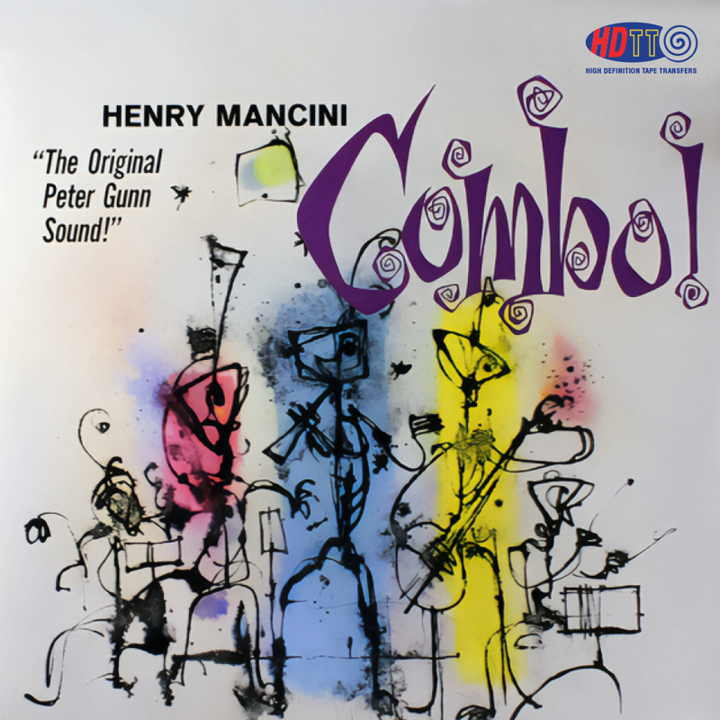
Henry Mancini, Combo! HDTT 1960, 2026 (DXD, DSD256) HERE
I'd never heard this album before today, and I've now had to play it through twice—it is just that much pure fun. This is a shift from Mancini's film and television scores to a series of shorter works, all very eclectic, with no clear theme except one: everyone playing on this album seems to be enjoying themselves immensely. It is filled with energy, moments of witty repartee, and consistently excellent artistry.
And with compatriots like Art Pepper on clarinet, Shelley Manne on percussion, Ted Nash on sax and flute, a young John Williams (credited as "Johnny") on piano and harpsichord, plus other excellent session players, how could it go wrong?
This is intimate, punchy jazz. No sprawling orchestra here. The album bridges sophisticated late-night cool and exuberant modernism, drawing from Latin rhythms, a bit of ragtime, modern cool, and even a touch of 18th-century classical music. I particularly enjoyed John Williams wigging out on harpsichord in A Powdered Wig (oops, sorry for that). And all of it comes with sharp improvisation, tight horn lines, intricate counterpoint, and an infectious swinging vibe.
If you enjoy Mancini, I think you will also enjoy this album as something of a different perspective on this creative and versatile composer/conductor. I found it a delightfully different venture—and a whole lot of fun.
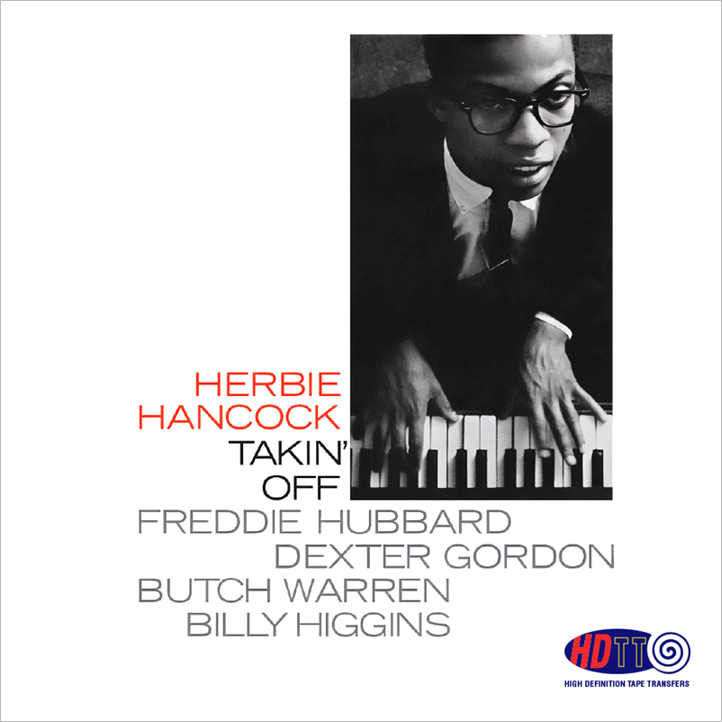
Herbie Hancock, Takin' Off. HDTT 1962, 2026 (DXD, DSD256) HERE
The 1962 Takin' Off was Herbie Hancock's debut as a bandleader. At just twenty-two, Hancock assembled a formidable quintet for this recording: Freddie Hubbard on trumpet, tenor saxophonist Dexter Gordon, bassist Butch Warren, and drummer Billy Higgins. All six tracks are Hancock originals—quite a gutsy call for a first-time leader.
The recording was made in a single day at Rudy Van Gelder's studio in Englewood Cliffs, New Jersey, and was released by Blue Note later that year. The sound is typical of Van Gelder's work at that time: with instruments placed hard right and hard left and the piano somewhat indistinct in the mix. It's not the sort of recording I would use to demonstrate modern stereo spaciousness, but that's part of the character of these early Blue Note/Van Gelder recordings.
What really comes through, though, is a young composer already writing with considerable confidence and imagination. The opening track, "Watermelon Man," became a hit the following year in Mongo Santamaría's Latin-jazz version, which says something about the strength of Hancock's writing. This was only his first album as a leader, yet the musical voice that would help make him one of the defining jazz pianists of the 1960s was already clearly there.
Sourced from an original Blue Note LP, this is yet another excellent example of the quality of HDTT's ongoing Vinyl Record Restoration series. I've continued to find Bob Witrak's transfers from LP to be eminently listenable, and typically better sounding than alternative digital files of the same recordings.
What I particularly like here (and in other HDTT releases) is that Bob doesn't try to "fix" the original mastering, as the Blue Note CD reissue does. What I'm hearing is the sound of the original record. If you want the piano brought forward in the mix, the CD reissue may be more to your liking—but you'll also get, to my ears, less natural-sounding instruments, more edginess, and a loss of that analog fullness that I've always valued the Blue Note recordings.
And that's really the attraction of these HDTT reissues for me. They don't try to make an old recording sound like something it isn't. They let the original recording be what it was, and in this case, what it was is a pretty remarkable debut.
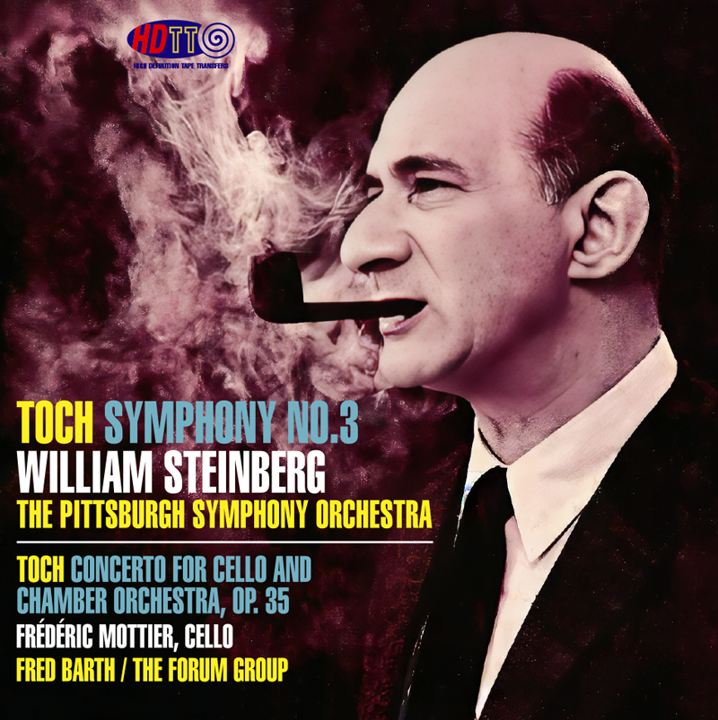
Ernst Toch Symphony No. 3, William Steinberg, The Pittsburgh Symphony Orchestra, and Toch Concerto for Cello and Chamber Orchestra, Fred Barth, The Forum Group. HDTT 1956/1963, 2026 (DXD, DSD256) HERE
I admit to not knowing about Ernst Toch—there, I said it. But after listening to this recording of his Symphony No. 3, I've been focused on getting better acquainted with his works. This is powerful, modern music that exploits the full capabilities of a modern symphony orchestra. Grounded in late-Romantic expressive intensity, it blends that intensity with mid-twentieth century tonal modernism. Written in 1955, when Toch was sixty-eight, the music reflects a mastery of monumental symphonic composition, filled with a wide-ranging palette of color, richly textured strings, stunning brass, and delightfully syncopated dollops of percussive effects.
William Steinberg leads the Pittsburgh Symphony Orchestra with uncompromising intensity and precision, with the musicians responding to razor-sharp shifts in direction, volume, and instrumentation. The brass is brilliant, biting, and aggressive. The percussive effects are sharply defined with dramatic transient speed and sparkling energy, while the low-frequency impacts are positively subterranean. The lower strings growl with thundering menace. And it all moves along with a supercharged sense of dramatic energy.
Toch's Third Symphony caught the musical world by surprise. It was an immediate triumph, earning him the Pulitzer Prize for Music in 1956.
Recorded by Capital Records on October 15–16, 1956, in the Syria Mosque in Pittsburgh, Pennsylvania—the historic auditorium used for virtually all of William Steinberg’s acclaimed Capitol Records sessions with the Pittsburgh Symphony Orchestra—the sound quality is excellent. The orchestra is captured with exceptional transparency, superb spatial imaging, and impressive inner detail.
The accompanying work, Toch's 1925 Concerto for Cello and Chamber Orchestra, is a nice complement to the more modern Third Symphony. Here, Toch puts the cello soloist into an energetic dialog with the chamber orchestra, but the mood is much more lyrical, with the occasional angularity striking more as a comment than an ongoing battle. This balancing of the lyrical and angular creates a tension that continues throughout the work, keeping my attention completely focused on what direction the music will take next.
The Concerto is a mono recording captured live from a studio broadcast by Radio Zurich on February 21, 1963. The mono sound quality is quite excellent: clear, clean, and highly detailed, with well-captured instrumental timbre.
And so I end this group of HDTT reviews with a composer I didn't know when I sat down to listen. That is one of the pleasures of this music hobby: every once in a while, a recording opens a door you didn't even know was there. Ernst Toch just opened one for me.