
In the early spring there are still plenty of days with rain showers, and mild temperatures. Which means we have flowers such as daffodils and certain lilies making their appearance, if not already blooming. Actually, I can already see the day lilies breaking through the mulch in my flowerbeds at the front of the house, bringing the promise of a colorful spring just around the corner. Yet the rain is still consistent enough that many of my weekends are off limits to outside projects, and the yearly chore of yard maintenance is not quite ready to be tackled. This means during times such as today, I spend my time drinking a fine cup of coffee, and having the opportunity for a relaxing morning of listening to vinyl.
For the last six weeks or so, I have had the pleasure of living with the combination of a Hagerman Audio Cornet MM vacuum tube phono stage that is paired with the Piccolo Zero trans-impedance head-amplifier for low output and low impedance moving coil cartridges. Jim Hagerman defines his company's products as "unique products that provide true value through innovation, elegance, and simplicity." This is such a succinct and accurate description, I do not believe I can improve on this description, so I chose to borrow this phrase as I wholeheartedly agree with it. The Cornet MM phono stage sells for $749 and the Piccolo Zero head-amplifier is an extremely affordable $289.
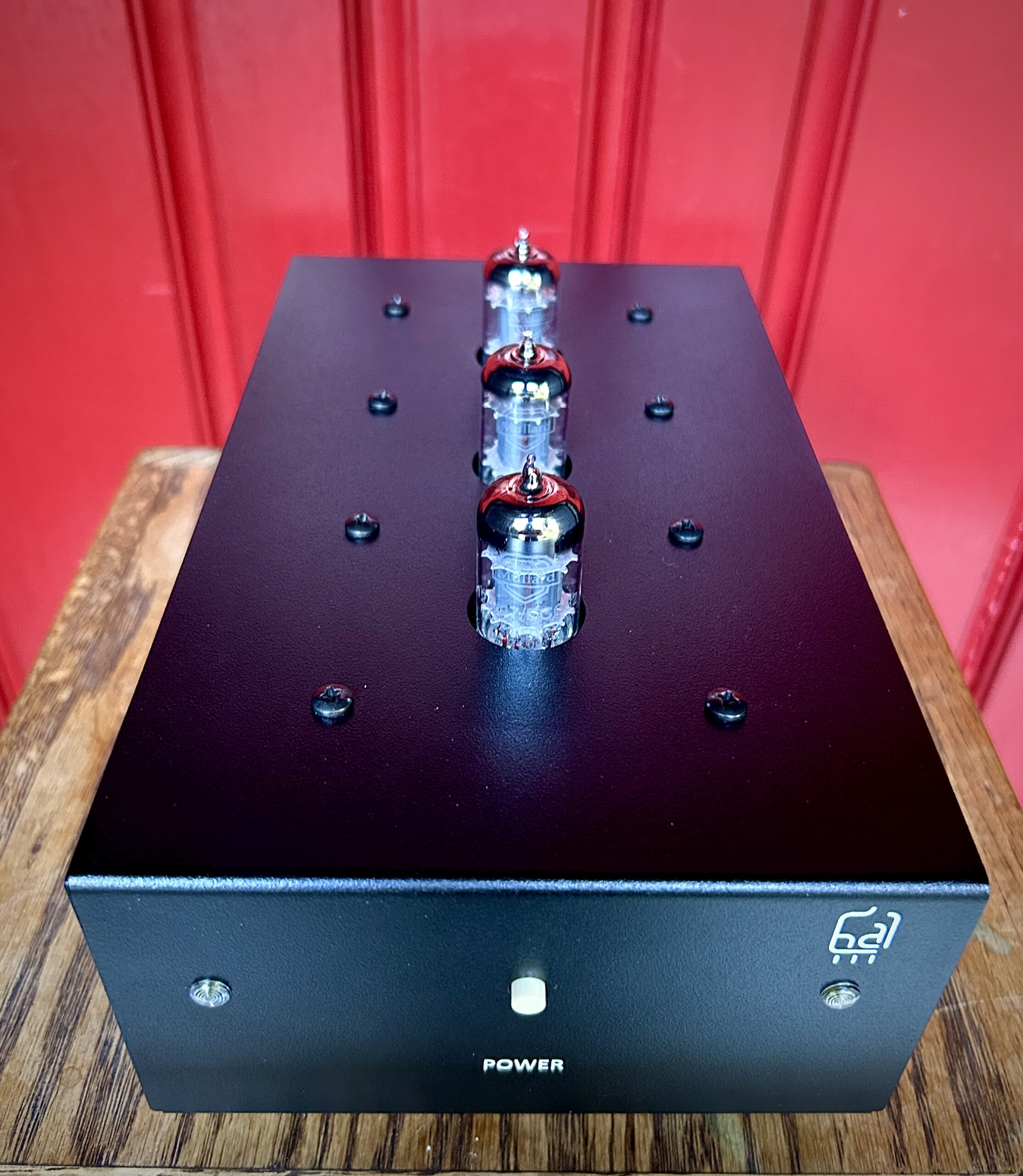
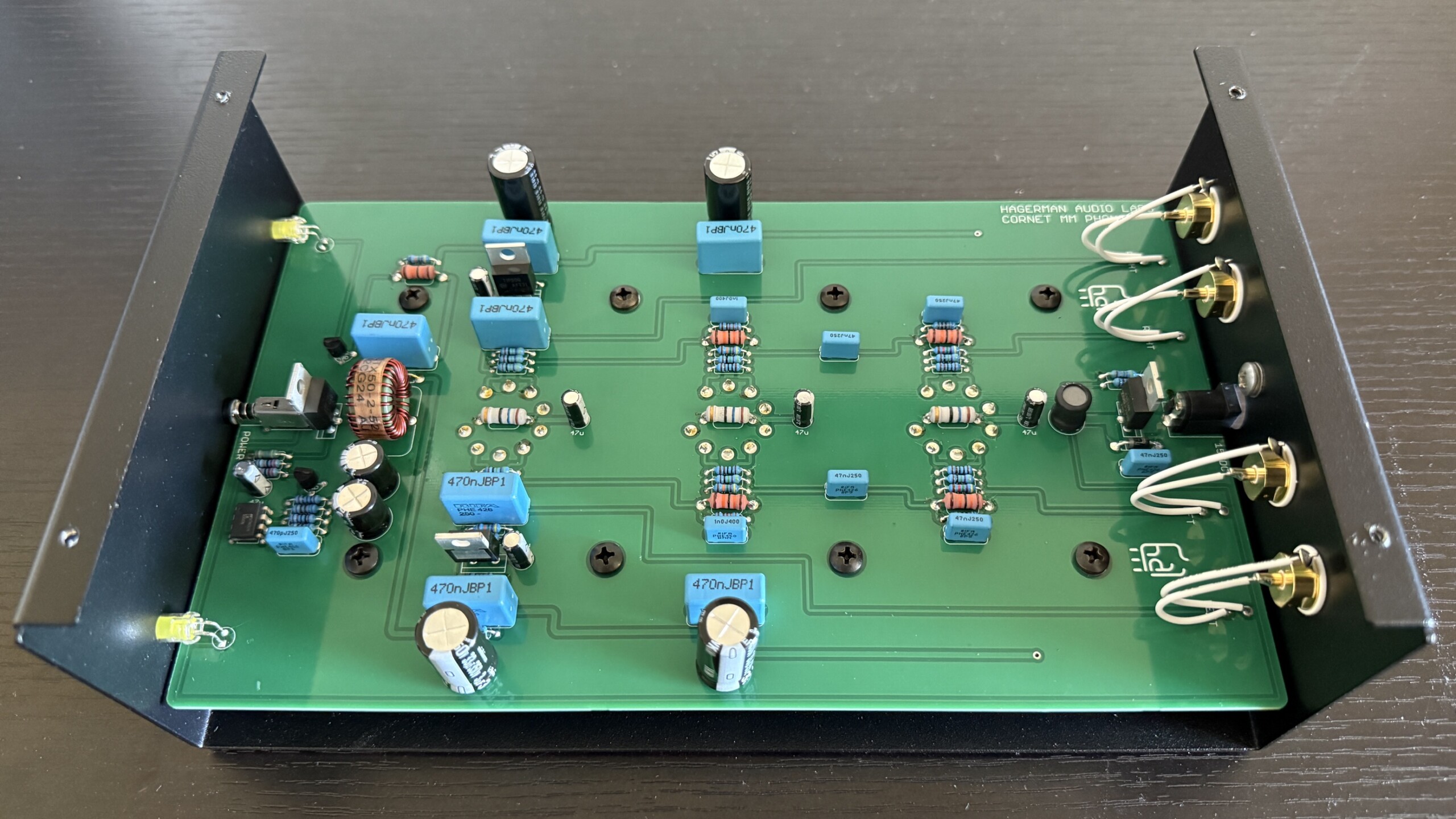
The Cornet MM is the 4th iteration of this circuit from Hagerman Audio Labs. This circuit uses common cathode Class A gain stages with no feedback loops, passive RIAA equalization, and cathode follower output buffers with constant current sink loading. This circuit employs 3 vacuum tubes and is provided with a single Mullard 12AU7 and a pair of 12AX7s. The Cornet MM provides 44dB of output, at .03% distortion, and 10 Hz to 300 kHz (-3dB) frequency bandwidth. This circuit has a massive 24 VRMS range in terms of voltage swing, which allows for the control of unexpected transients such as clicks and pops, since they will not overload the circuit and clip the amplifier. The constant current sink loads the cathode output follower stage, and minimizes distortion and results in near unity gain for the output level. Unity gain is where the input and output levels are closely matched and end up being nearly identical. This allows for a lower distortion level from the phono stage and provides music playback with superb dynamic scale and contrast.
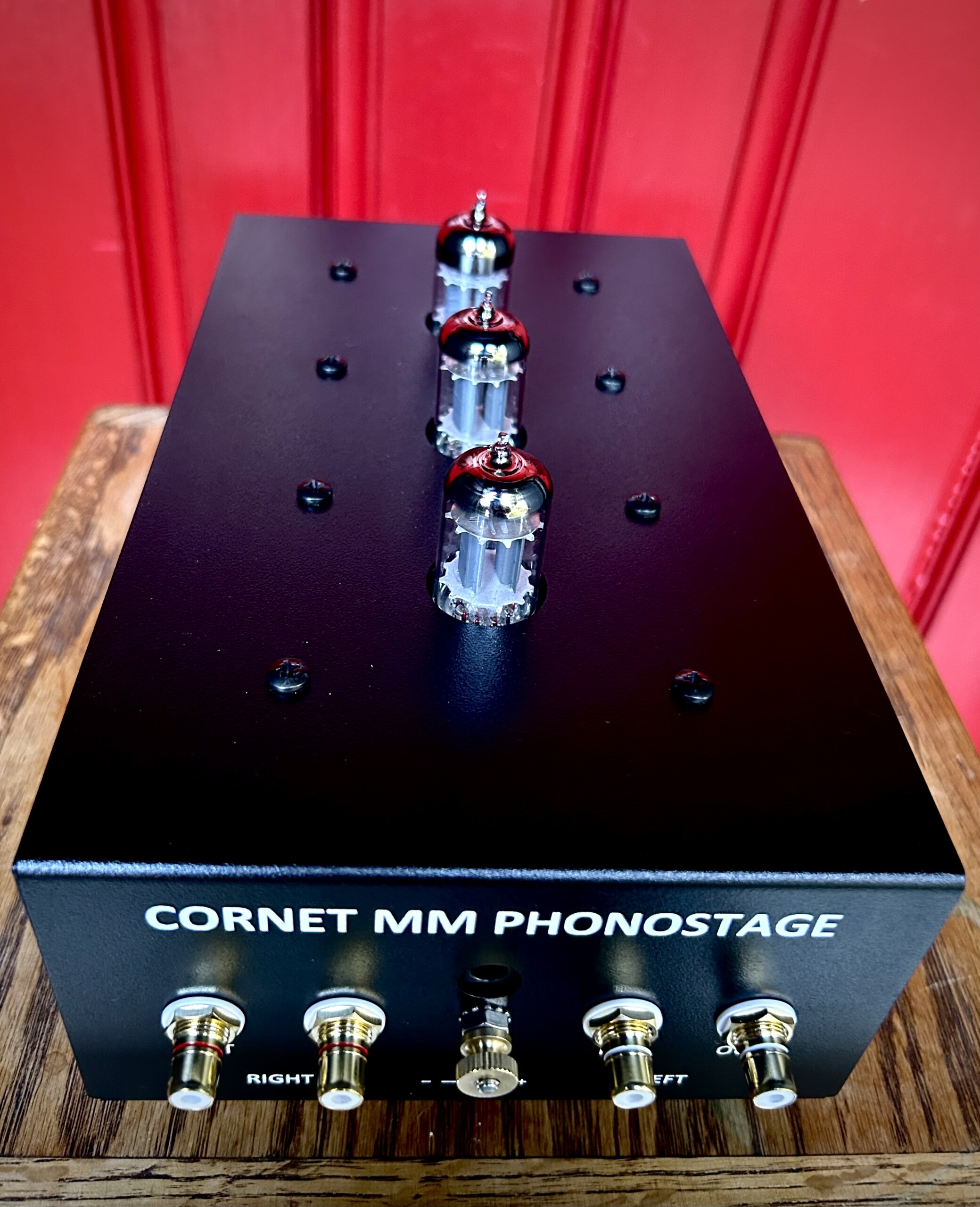
Other benefits of the 4th generation of the Cornet include an aluminum chassis that is not only attractive, but provides a higher level of magnetic shielding. There are optional wood side panels that can further dress up this piece. The outboard power supply is a regulated wall wart device, whose voltage has been upgraded from 9V in the previous generation to 15V in this iteration. The benefit here is the internal power converter circuit to run cooler. Higher quality metal film resistors have been installed throughout the circuit board, otherwise the Cornet circuit has not undergone wholesale revisions. This generation is a further refinement to a tried and true design.
The Piccolo Zero head-amp is designed to increase gain from a low output moving coil cartridge and feed its output signal into a phono stage that is intended to be paired with a cartridge that has an output level in the range of 3 to 5 mV, which is what you have with a typical moving magnet cartridge. This is the type of cartridge the Cornet MM is designed for, so to use a low output moving coil cartridge you need a step up device, whether it be a head amp like the Piccolo, a step up transformer, or a trans-impedance device like the Piccolo Zero. A standard head amp or a step up transformer requires matching between the cartridge's internal impedance and its resistive load. Without getting into deep math, a trans-impedance head amp is a 0 ohm load circuit that operates a cartridge in current mode and does not rely on external resistive load. This design is best suited for cartridges with lower internal impedance, with single digit impedance levels being more desirable. Internal impedance times the cartridge output voltage equals output gain of the cartridge/head-amp combination. As an example an Ortofon X40 cartridge has an internal resistance of 4 ohms and .4 mV output voltage and is a solid choice over a Denon DL103 which has a 40 ohm internal resistance and .25 mV output voltage. While a trans-impedance head amplifier has a smaller pool of cartridges that are compatible with it, there are benefits beyond negating the process of getting the correct resistive load for the cartridge and phono circuit. One event that is not often discussed is dynamic braking. Dynamic braking stiffens the cartridge assembly at higher frequencies and the result is the diamond maintains improved contact with groove walls and results in less tracking errors.
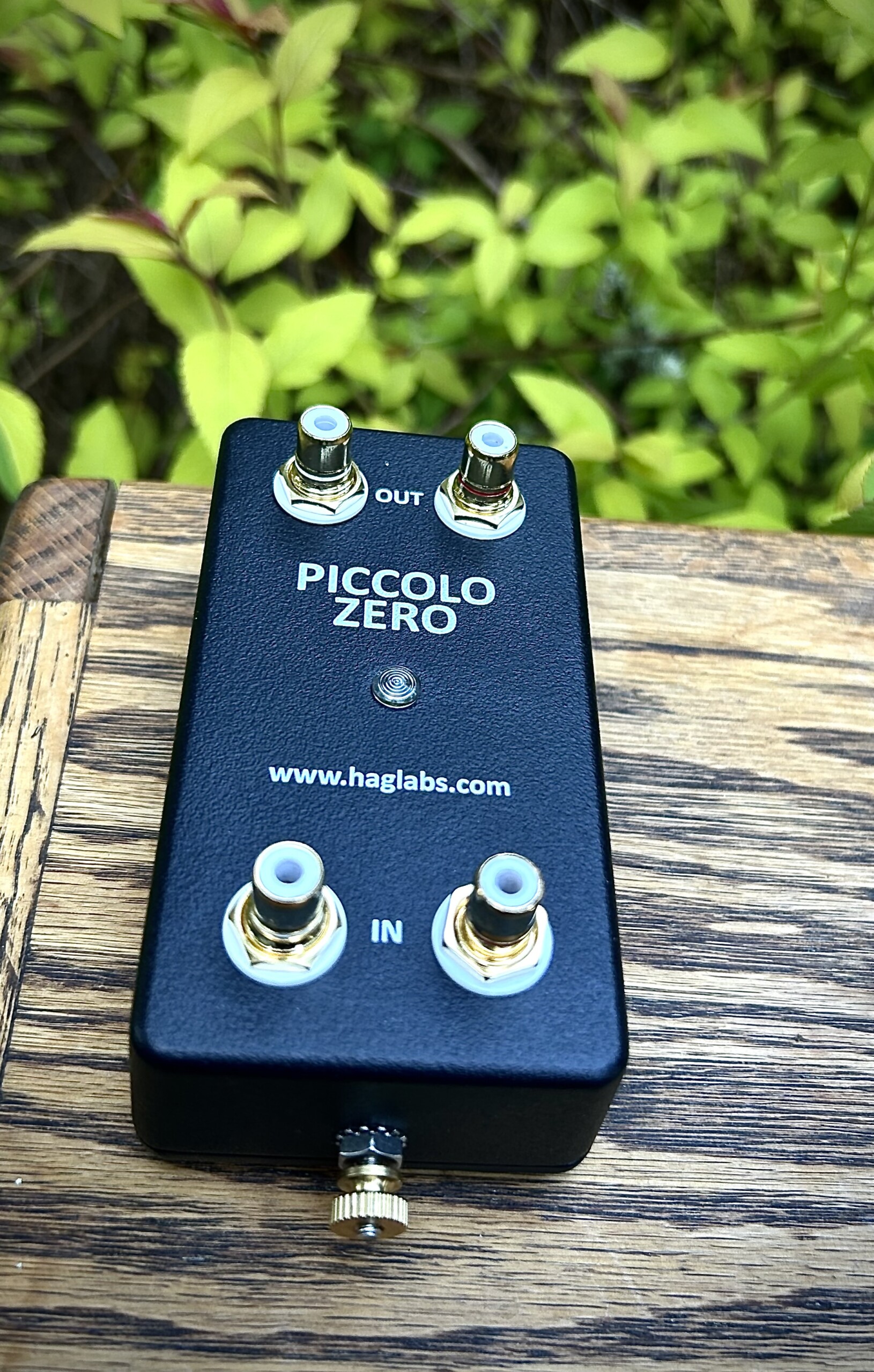
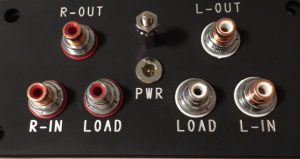
The Piccolo Zero chassis is diminutive and sparse. There are two pairs of RCA jacks for input and output, a grounding post for the tonearm cable, and an amber light to indicate it is powered up. An outboard power supply is called upon to power the Zero, and this piece is devoid of an on/off switch. This is truly a form follows function design.
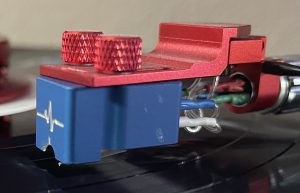
To begin the evaluation process, I started with installing the Cornet into my system and pairing it with a Benz Micro Glider H2 high output moving coil cartridge. Over the years the Glider series has earned a reputation as an excellent cartridge that does not break the bank. With an output level of 2.5 mV, the Glider is well suited for being paired with this phono stage. The next step is to add the Piccolo Zero in front of the Cornet and use a low output moving coil. I decided on using a 1st generation Kiseki Blackheart cartridge which has a 6 ohm internal impedance and .4 mV output voltage.
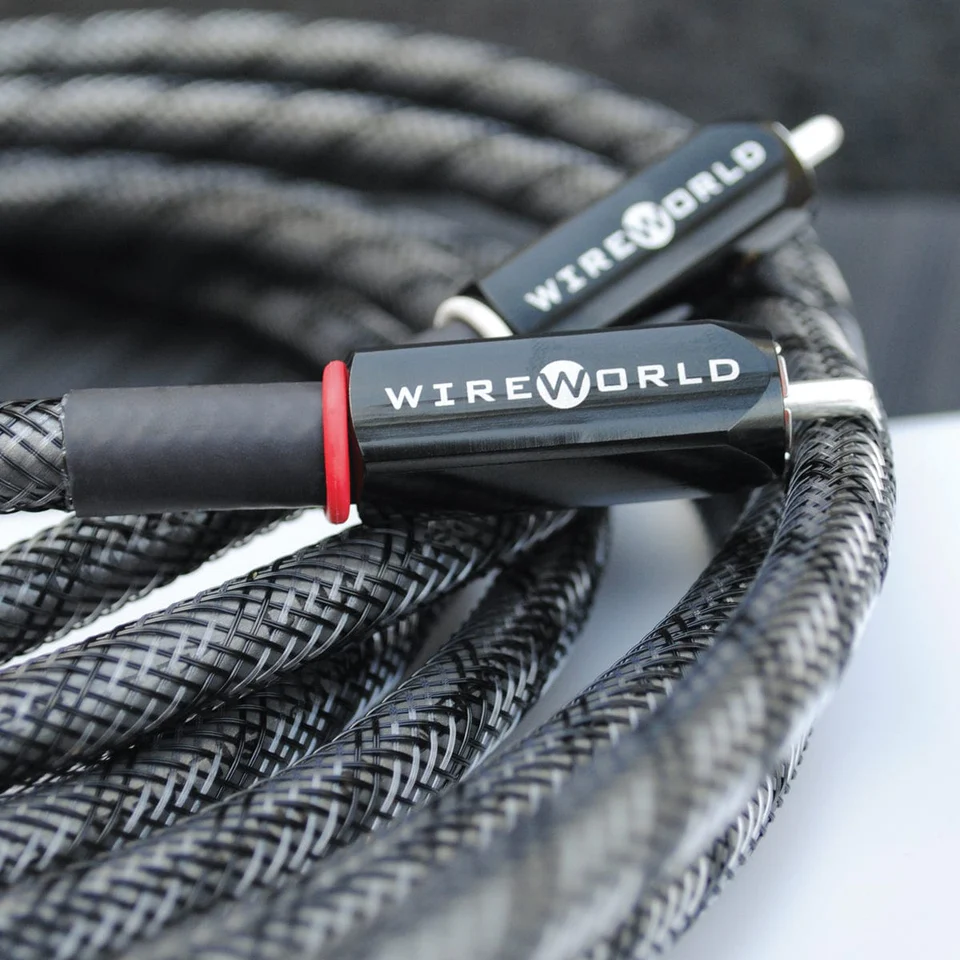
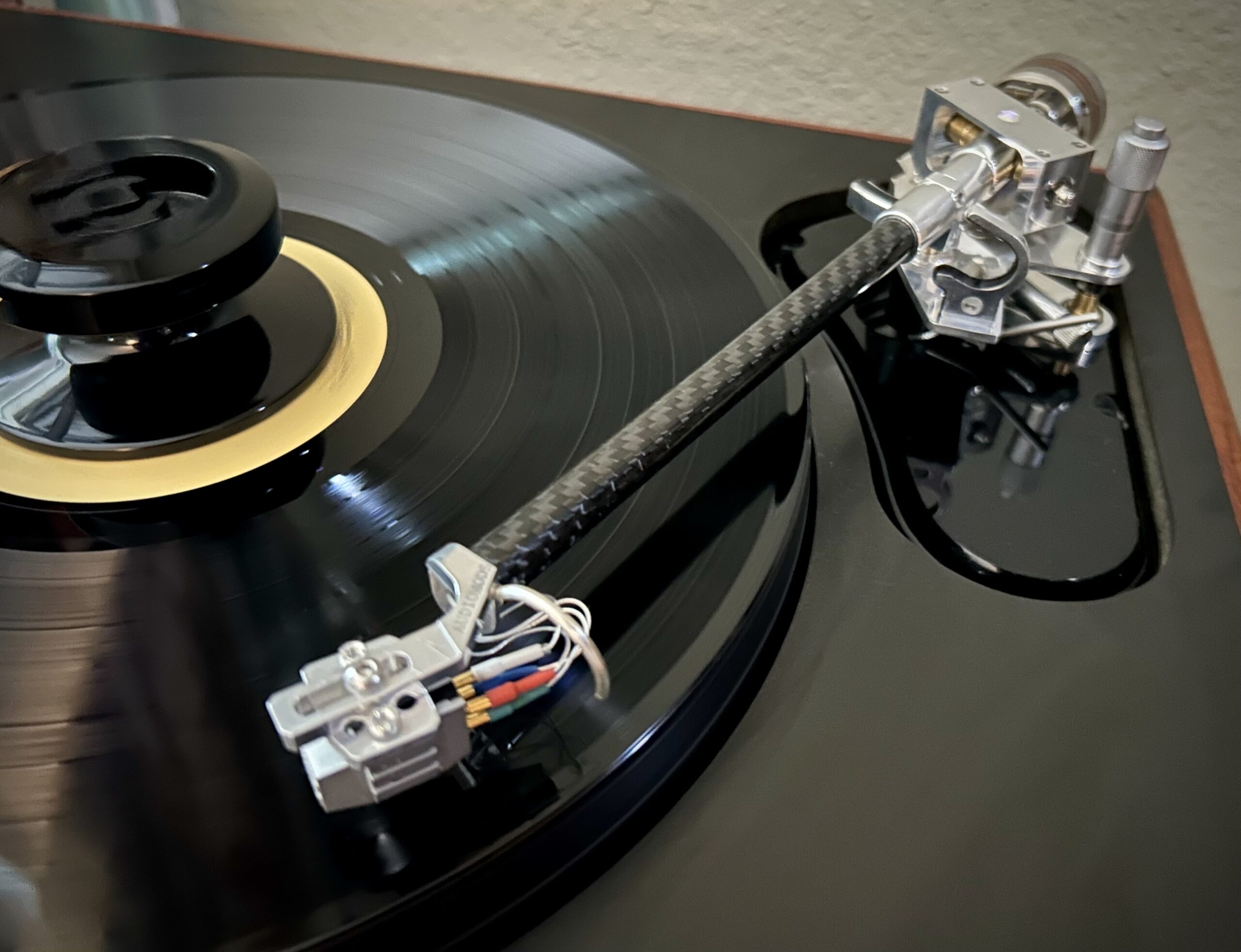
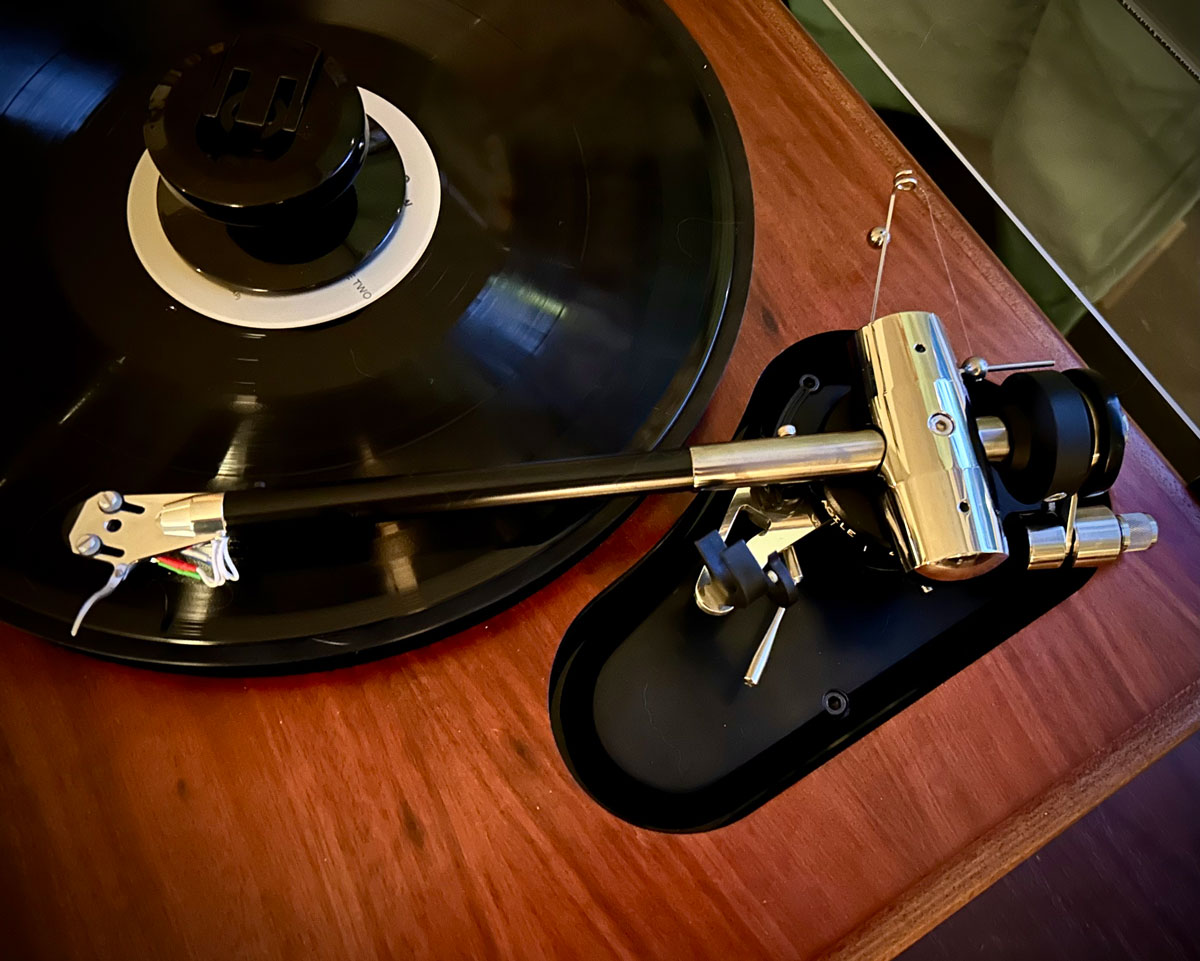
The Benz Micro and Kiseki cartridges are installed on a Scheu Analog Das Laufwerk No 2, with the Blackheart on a 12" Audiomods Series 6 tonearm, and the Glider riding a 10.5" version of the same tonearm. A Trinnov Audio Amethyst pre-amplifier feeds a Constellation Audio Inspiration 1.0 stereo amplifier. The speakers are a pair of JBL 4367 that are used in conjunction with two Velodyne HGS12 servo sub-woofers. The Balanced Power Technology 2.5 Reference power conditioner supplies clean AC power to the system, sans the amplifier which is connected directly to the wall. Cabling is Wireworld Gold Series Eclipse 10 interconnects, and Eclipse Series 8 speaker wire. Power cords are from Pi Audio Group.
Hagerman Audio Labs does not specify a burn in period for the Cornet, yet I decided to give it a run for 50 hours before getting serious about my listening sessions. Even so, straight out of the box this phono stage sounded mighty fine after an evening of play. I paired the Benz Micro with the Cornet to start, making the decision to run it through its paces as a phono stage set up to be used with moving magnet style phono stages. Now the Glider H2 is a high output moving coil with 2.5 mV and optimized for a load greater than 1000 ohms, and just happens to be the only cartridges I own that works in this application. Prospective owners of the Cornet would likely also use moving magnet or moving iron cartridges such as Audio Technica, Nagaoka, Grado, Ortofon, or other various vintage cartridges. This phono stage would be an excellent match for these cartridges, yet this Glider is tonally evenly balanced, and if it suffers from any limitations, it would be a loss of fine detail in the upper registers. This cartridge is capable of allowing this phono stage to show its character, and that is the main objective of this portion of the review.
The first album up is "Soulville" by Ben Webster, and the music is vibrant and immediate. The opening electric guitar having exquisite tone, and the acoustic bass is solid and textured in a manner that provides an immediate presence to the sound. The saxophone passages are vivid with richness and texture that is not often experienced in phono stages that reside in this price range. There is magic in those vacuum tubes, and Jim Hagerman has spent a lifetime teasing out the goodness of these little glass gems. A person could easily live with the Cornet in a system with a high quality moving magnet or iron cartridge, or gasp, even a oft vilified high output moving coil. The sound from this combination of Cornet MM and Benz Glider H2 is lovely, and checks a lot of boxes for what it does exceedingly well.
The next step is to add the Piccolo Zero to the mix, and this requires adding the Kiseki Blackheart moving coil cartridge since it has an internal impedance that falls within the range of what the trans-impedance circuit is designed for. The second tonearm on the Scheu turntable is a 12" version of the Audiomods Series Six tonearm, while the Glider rode on a 10.5 inch version of the same arm. A Wireworld Micro Eclipse Silver 10 interconnect connects the Piccolo Zero to the Cornet, so this arrangement is as close to what the Benz Micro Glider was being used in. Certainly the cartridges perform at a different level, and vary in presentation, but these are pieces I am well acquainted with. The Piccolo Zero has a distinct presentation, one that I did not expect, and varies significantly from what is heard from a conventional step up transformer. There is a myriad of differences of what can be heard from a SUT, but there are also a core group of similarities that can be experienced. The Piccolo Zero does not present an airy and delicate sound, but rather is bold, immediate, and vibrant. When replaying "Soulville" the bass passages present greater energy and attack. The saxophone leading edge is sharp with an incisive attack, and the overall presence of the instrument gains realism. Every aspect of the song becomes improved, and I gain that elusive "musicians in the room" element from the music.
Moving on, I have a testing pressing from Rubellen Remasters release of Suzanne Vega's 99.9F°, which is challenging to track as it provides a dynamic and engaging presentation of the music that exceeds the challenges presented on a typical pressing of this album. The bass line on the title track is wicked in attack, with a primal and forceful texture, and a greater depth of reach. Vega's vocals gain detail and inflection, with an underlying force that is incisive and precise. Even though there is an increase of detail, her style retains a smoky and introspective nature that is her signature, and is smooth and flowing at the same time. The Piccolo Zero is an enigma in some ways, in that you gain detail and refinement, yet you also see increases in dynamic contrasts at both macro and micro levels.
Laurie Anderson and Peter Gabriel's collaboration on "Excellent Birds" on the B side of Mister Heartbreak is a genuine treat to listen to on the Cornet/Piccolo Zero combination. Every aspect I have discussed earlier is present, yet in this case an expansive and delicately layered sound stage comes into focus. There is a kaleidoscope of synthesized instruments woven into a kaleidoscope of sound, with flutes, hand-claps, keyboard passages, and drum machine in different locations, heights, and depth in the sound stage Sometimes Anderson is the lead vocalist and placed in the forefront, other times there are background vocals from both artists buried deep in the music. In certain passages Gabriel and Anderson become a duet, and the Cornet/Piccolo combination assists in neatly and precisely defining each artist while they blend their voices together. This is a delightfully tasteful rendition of this song, and the Hagerman components displays all the goodness of this track for me to enjoy.
A variation of Hoffman's Iron Law is that you can have technical excellence in circuit design, affordable cost, or artisan level construction and aesthetics. If you are fortunate and pick wisely, you can have two of these three characteristics. The Hagerman electronics clearly qualify for the first two categories, and as delivers far more value in the third category than one has any right to expect at this price point. The fourth generation of the Cornet circuit combines detail and resolution with an honest and lively portrayal of tone and dynamics. If I were asked to provide a summary of the Cornet and Piccolo Zero, without hesitation I would state these pieces bring music alive in a way few pieces do at this price point and are worth every dollar Jim Hagerman asks for them. The price for these Hagerman Labs components are affordable, the build quality is neat, well implemented, and gets the job done without looking cheap or gaudy. This cannot be said for many pieces that reside in the value segment of the audio world at this time.
The Piccolo Zero is an unusual piece, as it is deceptively simple, yet has a sophisticated circuit that provides a significant amount of gain from an appropriately selected low output moving coil cartridge. As a rule of thumb, the cartridges that would be paired with this head amplifier need to have low internal impedance, and this means cartridges such as the Denon DL 103 are not an appropriate candidate. Fortunately, there has been a steady growth in cartridges that have the electrical characteristics to work with the Piccolo Zero, such as offerings from Dynavector, Ortofon, Lyra, as well as several other cartridge manufacturers. The Piccolo Zero can be best be described as a blank slate. This is not a device that has characteristics of bloom, warmth, texture, or other euphoric coloration. Instead, you can expect a presentation that is transparent, layered, detailed, and yet still balanced tonally from top to bottom. The appearance is nondescript at best, and perhaps not the most convenient to use, as the switches to select output level require the owner to remove a panel to access them. Even so, for a modest cost you get superb levels of sonic bliss. The Cornet MM and Piccolo Zero package will cost you a touch over $1000, and I cannot remember hearing any vacuum based phono stages that offer this level of performance and build quality. Hagerman Audio Labs provides honest value in their products, so if you get the opportunity to hear Jim's products, I would strongly suggest you make that effort.
Cornet MM Vacuum Tube Phono Stage
Retail: $749
Piccolo Zero Head-Amplifier
Retail: $289
Hagerman Audio Labs