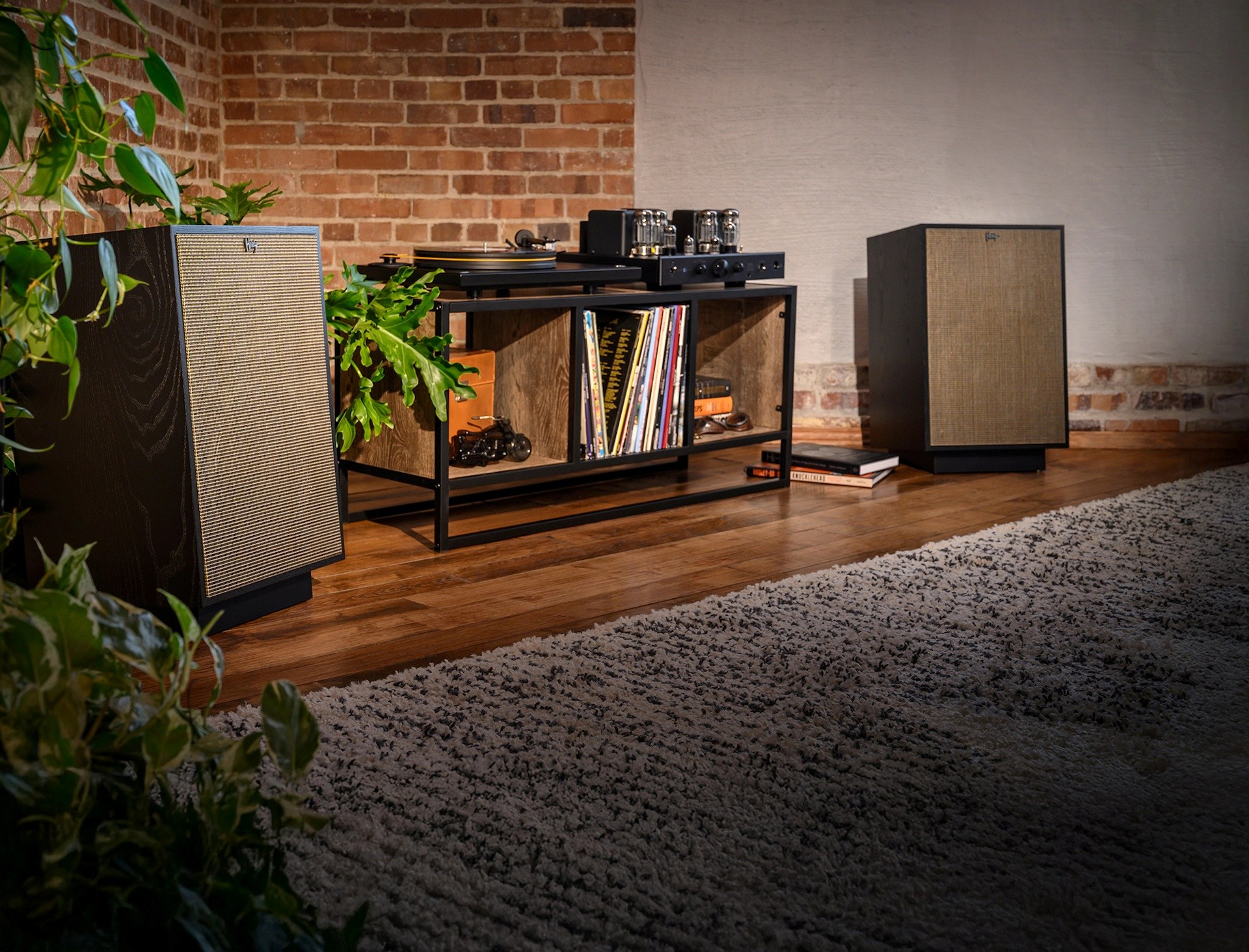
I did some serious catching up with Public relations maven Sue Toscano¹ during the 2025 Florida International Audio Expo; talking with her is an absolute joy, and her zeal for the projects and brands she represents is nearly irrepressible. Shortly after FLAX, Sue reached out to inform me about a webinar scheduled for mid-March, where loudspeaker manufacturer Klipsch would detail the latest news in the ongoing launch of their Heritage Series. The focus of the webinar would cover the retooling of their Klipschorn and LaScala loudspeakers, with the upgrade process eventually extending to additional prominent models in Klipsch's classic lineup. Unfortunately, I wasn't able to participate due to a prior commitment, but as 2025 rolled along, she kept me abreast of other opportunities to hear the Heritage Series loudspeakers. And that finally happened at Audio Advice Live last August in Raleigh, North Carolina.
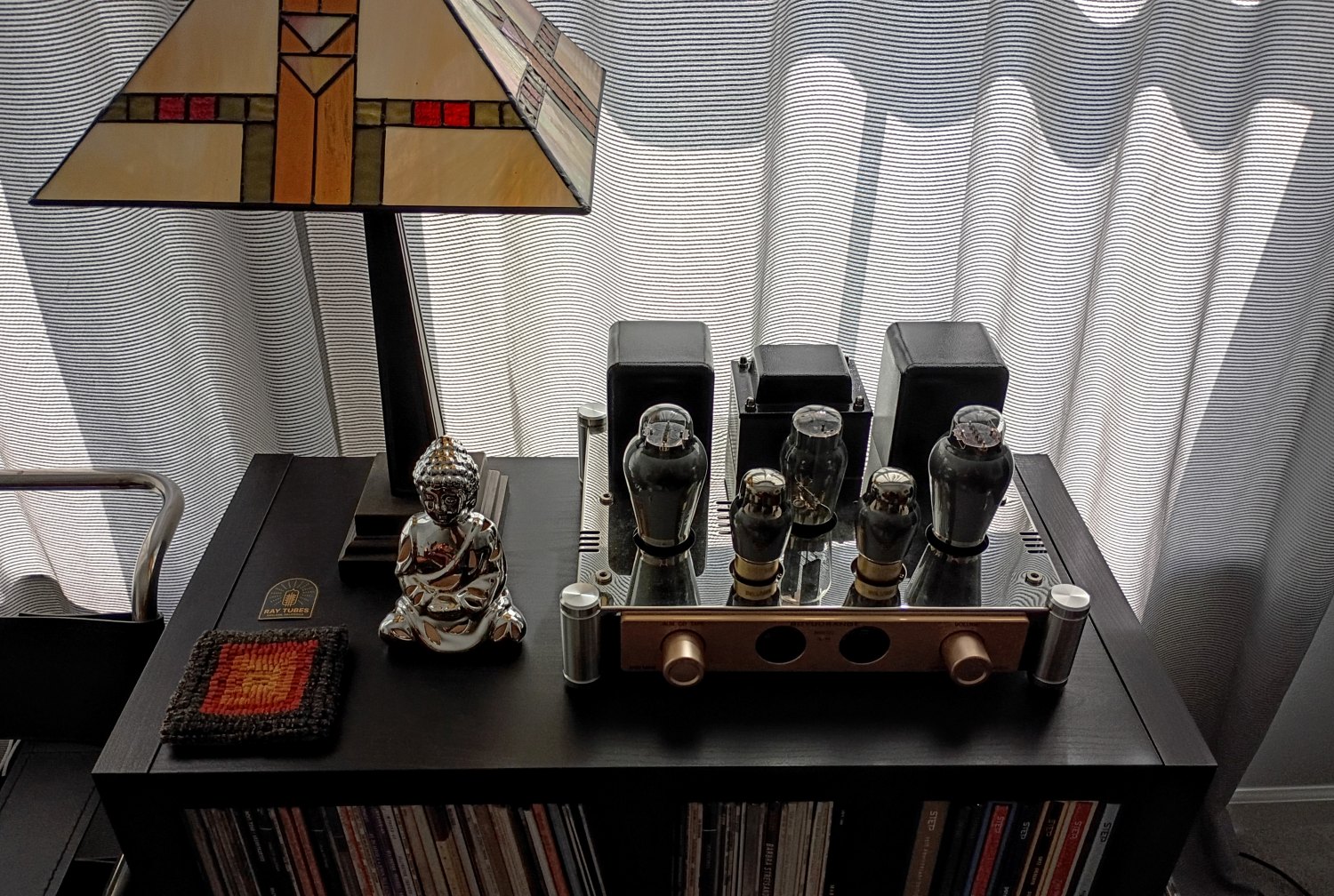
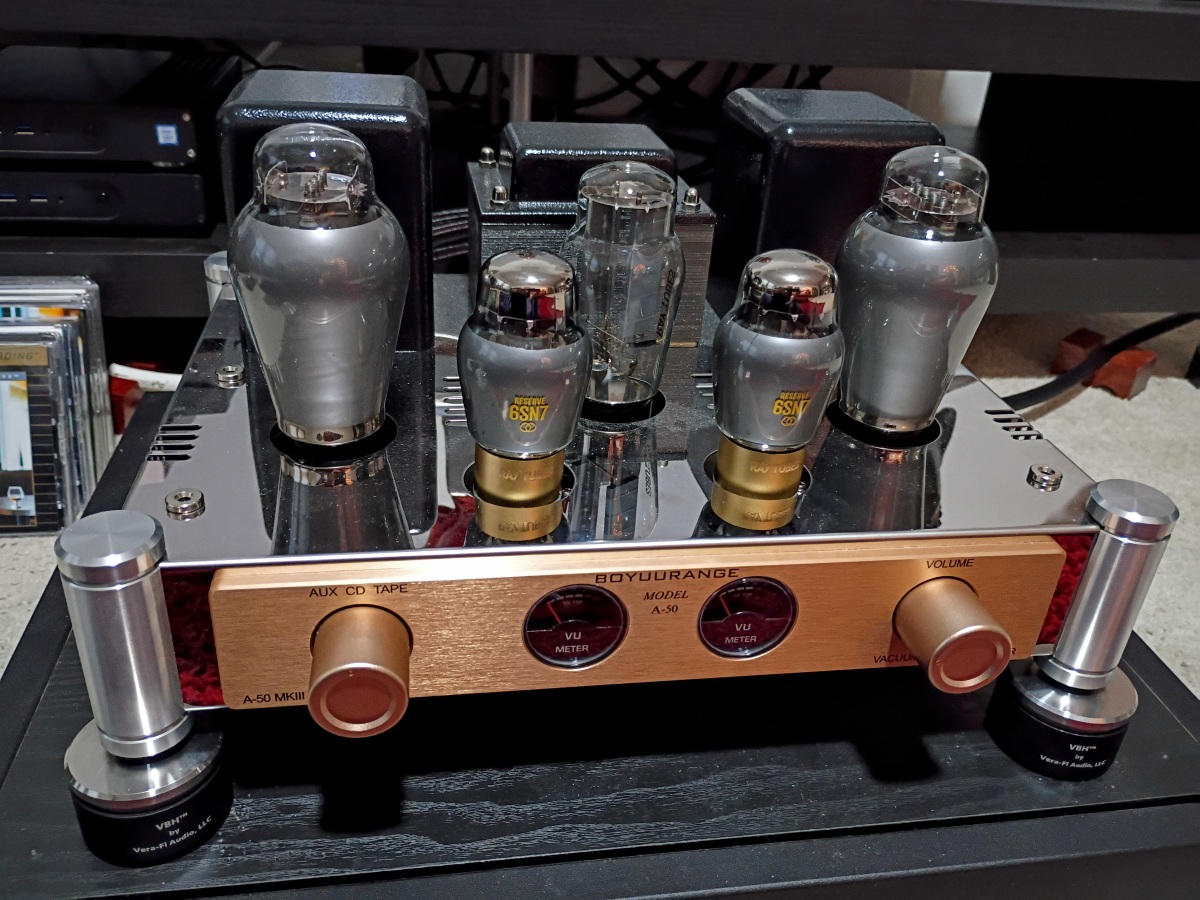
Sue had alerted me to her involvement in Audio Advice Live as early as mid-May, and also made sure to let me know that Klipsch would be there exhibiting several new additions to the Heritage Series. As the summer rolled along, my heightened enthusiasm for attending the show and hearing the revamped Klipsch loudspeakers was fairly intense, especially as Sue and I worked out the details regarding the possibility of a Klipsch review for Positive Feedback. And our continuing discussions reached an apex in late June, when after watching Steve Gutenberg's rave review, I acquired a Reisong Boyuurange A50 Mk III Single Ended Triode tube integrated amplifier (300B power tubes, 7.5 wpc 4/8 ohms). I'd been using it with an old pair of Klipsch RB3 Reference monitors (94 dB/watt) with superb results, and I happened to mention the A50 in a conversation with Nelson Wu of RAY Tubes. Nelson raved about the A50's build quality, and how impressive it was that Reisong could sell the amp for only $1000. He also volunteered to send a full set of RAY Reserve and Select tubes to upgrade the A50's capabilities significantly from its stock incarnation. Wheels were definitely turning!
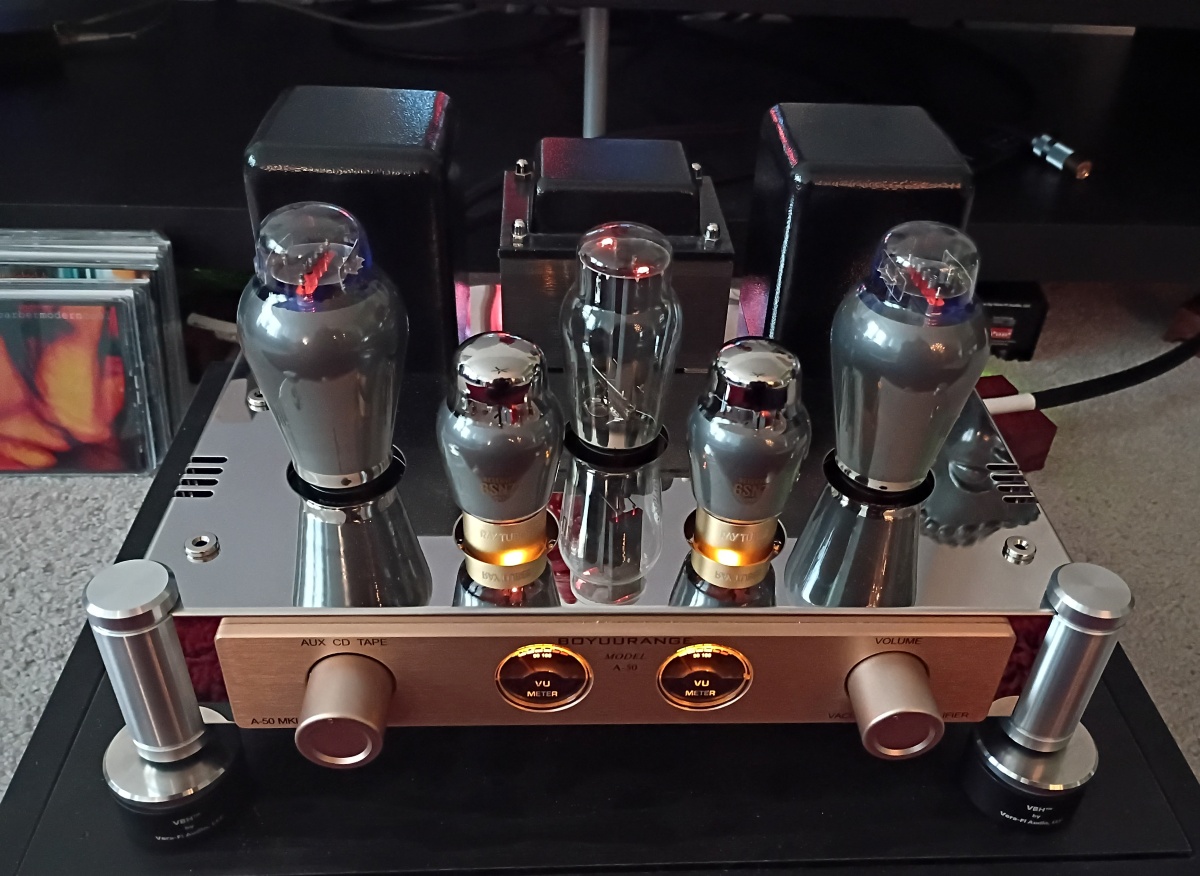
That conversation totally changed my thought process with regard to the Klipsch review, and I definitely began to wonder how the upgraded A50 might respond to a higher efficiency loudspeaker with a greater level of audiophile credibility—like from Klipsch's Heritage Series. Sue and I talked at length over the next several weeks, and arrived at what I felt was a perfect conclusion: she'd make the arrangements for me to get a review pair of the new Klipsch Heritage Heresy IV loudspeakers (99 dB/watt), along with their optional matching KS-12 stands. The exact pair of Heresy IV's I'd be getting would be on static display in Klipsch's room at Audio Advice Live; I wouldn't be able to hear them, but I could at least get up close and personal with them to check out the new American Auburn real-wood veneer finish (it was beautiful!). They'd ship a few weeks following the conclusion of the show, and that timeframe worked perfectly for me, as one of the new RAY tubes (the Select 5U4 rectifier) wouldn't be arriving for several weeks. Woo hoo!
Close encounters with Klipsch loudspeakers
My love for the Klipsch sound goes back to the early 1980's, when my soon-to-be wife Beth and I walked into an antique mall while vacationing in Charleston, South Carolina. Upon entering the sprawling, cavernous building, it seemed that a live band was playing somewhere inside, and I quickly headed toward the point of origin of the music. To my great surprise, the "band" was actually a pair of vintage Klipschorns that showed the wear and tear of decades of use, but still produced a level of realism of sound unlike any loudspeaker I'd ever heard, anywhere! That was my first-ever experience hearing the legendary K-horns, and the memory stuck with me, but the Klipschorns—and even Klipsch's lower echelon models—were beyond the means of a twenty-something young man, even four-plus decades ago.
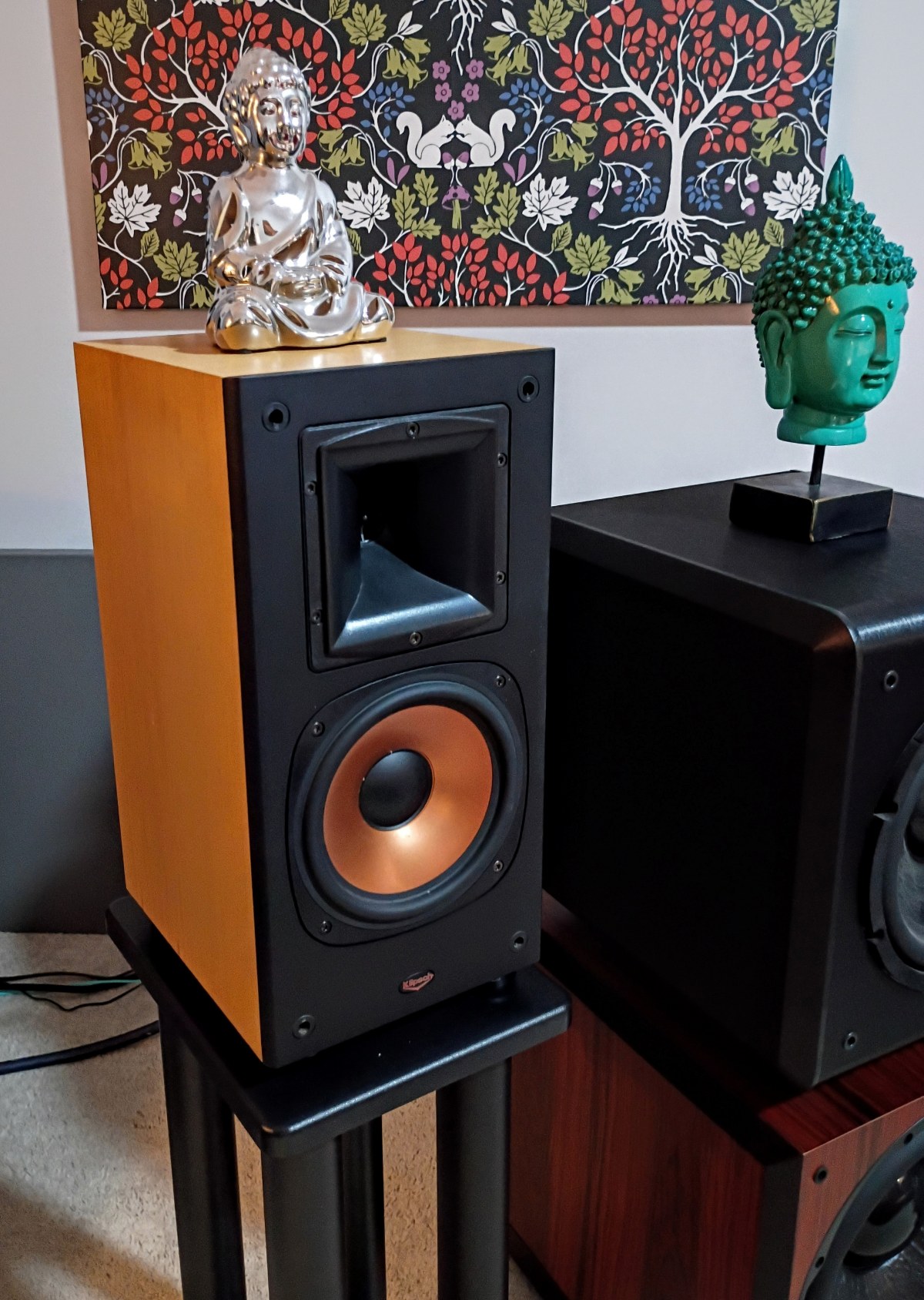
Fast forward to 2015, when I snagged a pair of Klipsch RB3 Reference monitors in a Goodwill. The price tag stated $10(!) for a pair of loudspeakers that appeared to be built to a fairly exacting standard of construction, and a quick check of my smart phone showed them being sold on resale sites for upwards of $400. I'd read for years where audiophiles had found unbelievable treasures at thrift stores, but this was the closest I'd ever come to finding anything that wasn't smashed and was actually legit. The RB3's didn't have a scratch on them, but were caked with some kind of reddish-brown dust that covered every surface of each speaker's exterior. Removing the drivers revealed that the dust also filled much of their interior cavities, and cleaning them required a fairly extensive effort; afterwards, they thrilled me with their exceptional quality of sound. The RB3's might not have been in the same league as the Klipschorns from decades before, but were definitely cut from the same cloth, and displayed a similar sonic signature. I've held onto them, and with proper room placement and a few great watts of triode tube power, they still inspire a thrill in me that hearkens back to that antique mall so many years ago!
Digging into the Klipsch Heritage Heresy IV loudspeakers
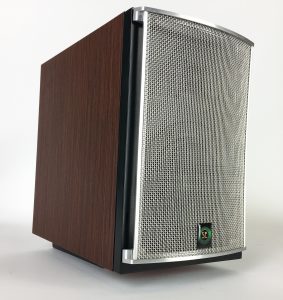
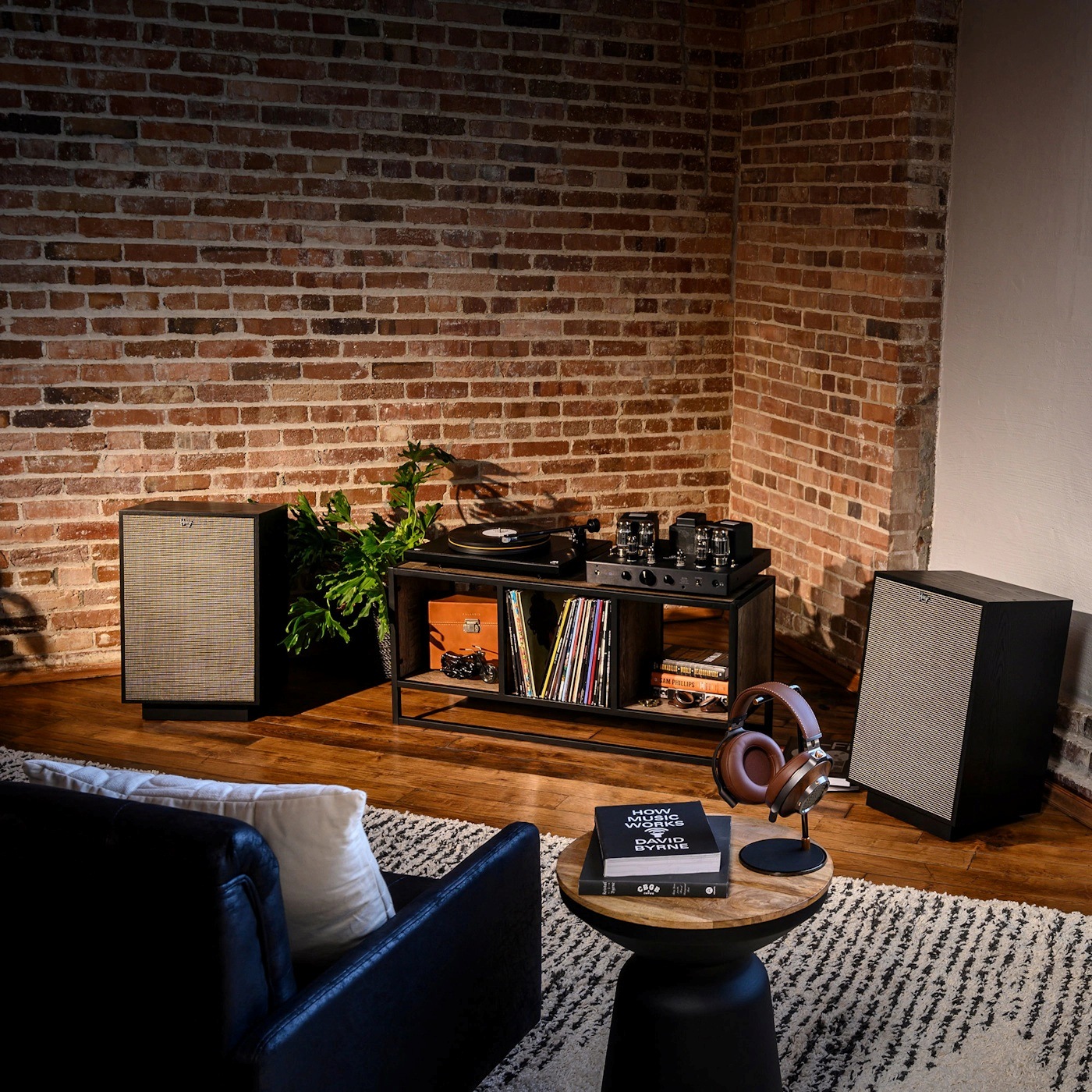
The Klipsch Heresy was originally designed almost seven decades ago in 1957; Paul W. Klipsch's intended use for the relatively diminutive loudspeaker was as a center channel between pairs of Klipschorns. According to the Klipsch website, an acquaintance of Paul Klipsch was very vocal in complaining that the new loudspeaker was in direct violation of his longstanding corner horn principle. And just the existence of this new speaker was tantamount to acoustic heresy; Paul Klipsch loved the comment, stole the name, and then introduced the Heresy in stereo pairs to the market. The Heresy was the first Klipsch loudspeaker that wasn't specifically intended for corner placement, and in a twist of marketing irony, it became a bestseller to churches looking for sound reinforcement. Heresy!
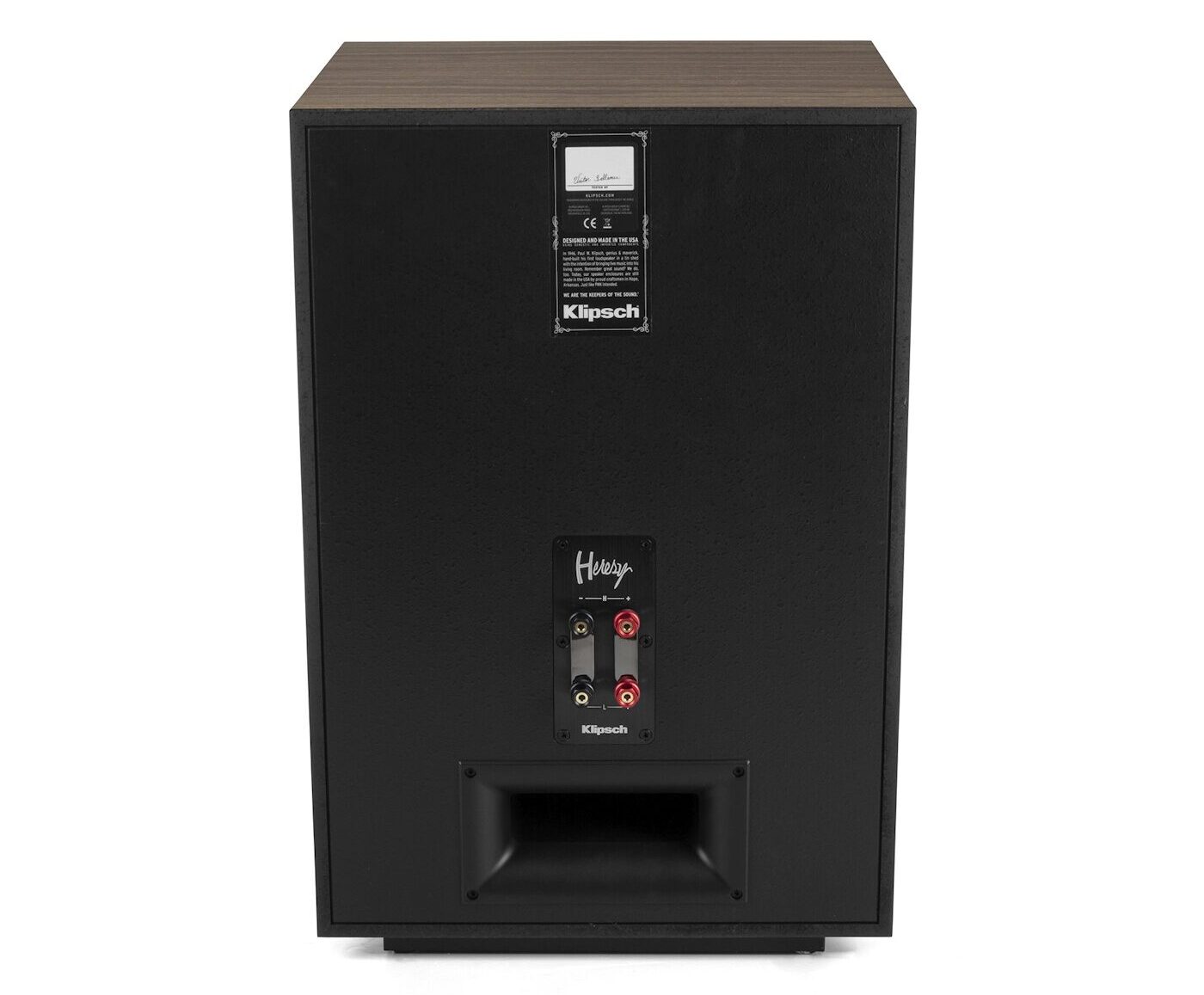
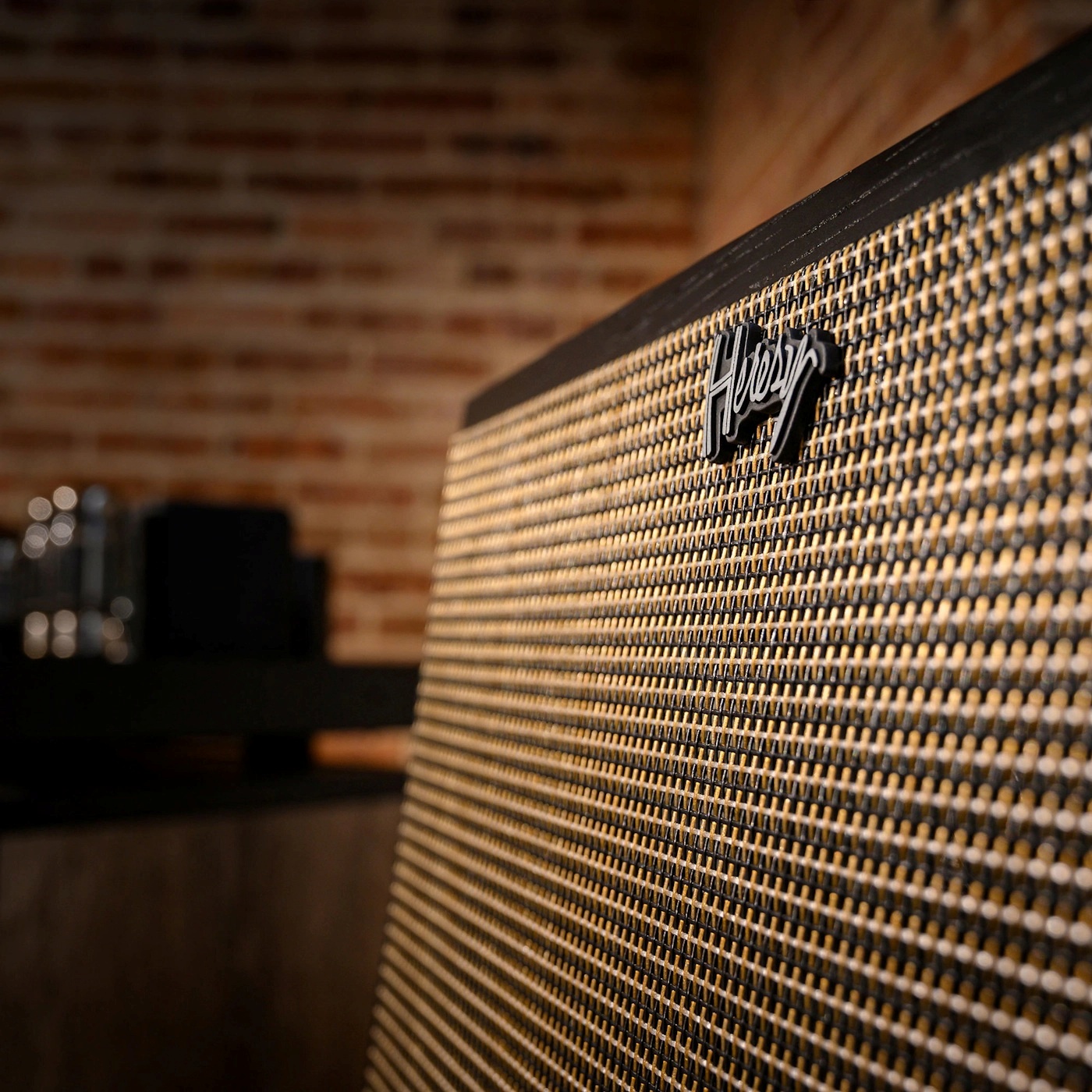
The Heritage Heresy IV includes several design changes, most notably the addition of a rear-facing Tractrix port, which is a relatively drastic departure for a loudspeaker that had always been predicated on a sealed box design. The Tractrix port extends Heresy's low frequency rating by 10Hz, and its improved airflow and custom flares reduce port noise while providing cleaner, punchier, more powerful bass response. As with the other Heritage Series loudspeakers, the Heresy IV uses book-matched wood veneer panels that are cut from the same timber and mirror-imaged for a more seamless appearance. Such that it's almost impossible to distinguish between loudspeakers in matched pairs. And the Heresy follows suit with all Heritage Series loudspeakers by offering a 10-year warranty.
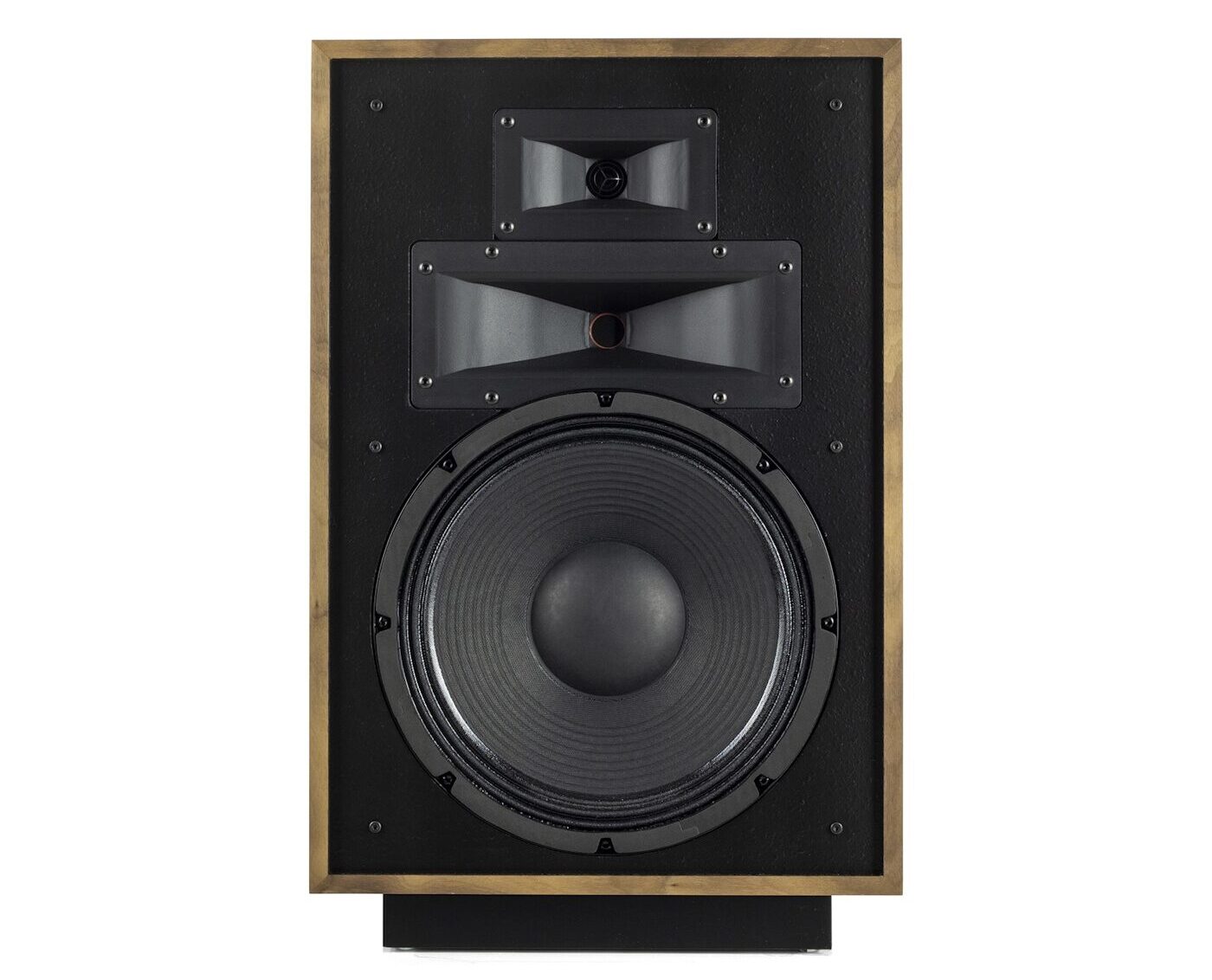
Heritage Series improvements extend to new and upgraded compression drivers, including an all-new K-702, 1.75-inch polyimide midrange that's mated to a K-704 Tractrix horn; together, they provide a highly detailed and dynamic presentation with a wide coverage pattern. Its K-107-TI, 1-inch titanium diaphragm high-frequency driver sports an all new, wide-dispersion phase plug for exceptionally even response with a wider sweet spot. Low frequencies are handled by the 12-inch, K-28-E fiber-composite cone woofer; a redesigned crossover network provides more startling realism, best-in-class efficiency, and improved power handling. The new crossover network was re-voiced using a steep slope network that's more closely aligned to the principles employed in Klipschorn, La Scala, and Cornwall Heritage Series loudspeakers.
The Heresy IV is rated at 48Hz - 20kHz (+/- 4dB), with a sensitivity of [email protected] input at 1 meter. Its power handling is specified as 100 watts continuous/400 watts peak, it's capable of 116dB SPL continuous, and its nominal impedance is 8 ohms. Each cabinet is built from reinforced MDF and sports dual sets of high-quality binding posts for bi-wiring or biamplification. Heresy IV measures 24.8 inches tall, 15.5 inches wide, and 13.25 inches deep, and each loudspeaker weighs 45 lbs unboxed; the matching KS-12 metal stands add significantly to their overall heft.
The Heresy IV loudspeakers arrive
When the complete set of RAY Tubes had arrived, I worked diligently to get them thoroughly burned-in with the Reisong A50 so they'd be ready when the Heresy IV's made their appearance. Sue updated me that they'd shipped, then some seriously bizarre shenanigans ensued on delivery day. Following their "delivery," I had to jump in my car and chase the FedEx truck to its next stop, because the driver didn't leave both loudspeaker boxes at my door. Upon catching him, at first, he tried to blow me off, then finally suggested I take a look in the back of his truck—which was beyond belief, with packages randomly strewn everywhere in one massive pile! Ultimately, the Heresy IV box in question was uncovered near the bottom of the heap, and they were soon up and running in my listening environment. Whew!
But not without a minor hiccup—the Heresy IV's are shipped stock with a wood slant riser base attached, as they're mostly intended for use as a floorstanding loudspeaker. While in the Klipsch room at Audio Advice Live, I noticed the Heresy IV static display featured one loudspeaker attached to the optional stand, while the other was shown on the stock riser. Unpacking the boxes from Klipsch revealed that one of the loudspeakers still had the riser attached, while the other had the riser inside the box, but unattached. The longer screws used to attach the riser to the Heresy IV were inside the hardware packet in the box with the optional stands, but two sets of hex-cap screws were also needed to attach the loudspeakers to the stands, and one set was missing. Despite having three large tackle boxes of fairly well organized random screws and bolts of every description in my garage, none of them were the correct fit. So off to Lowes I went with one of the hex-cap screws to find the correct match—which wasn't a perfect match, but nonetheless was functionally perfect. Yay—now we're finally ready to roll!
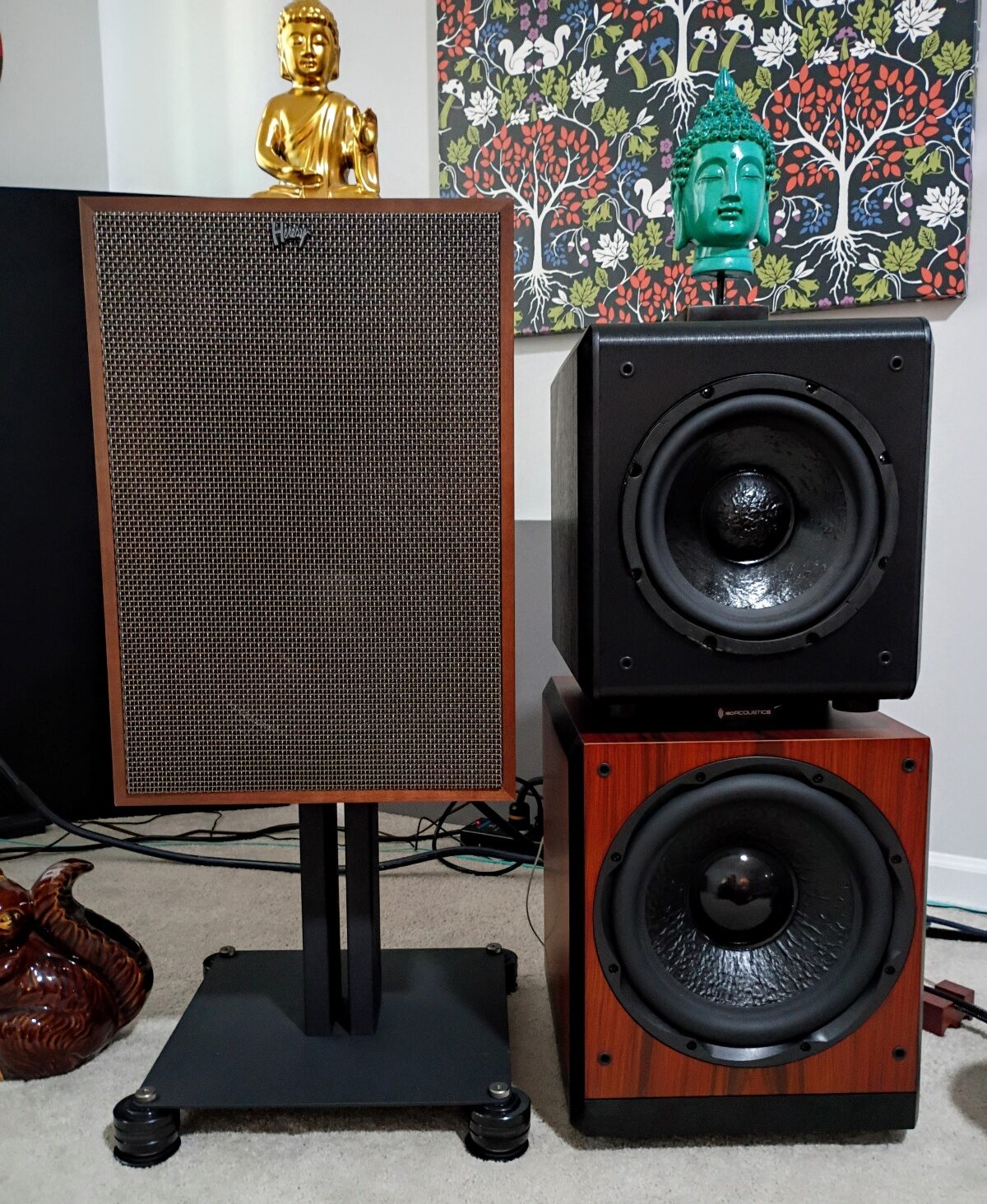
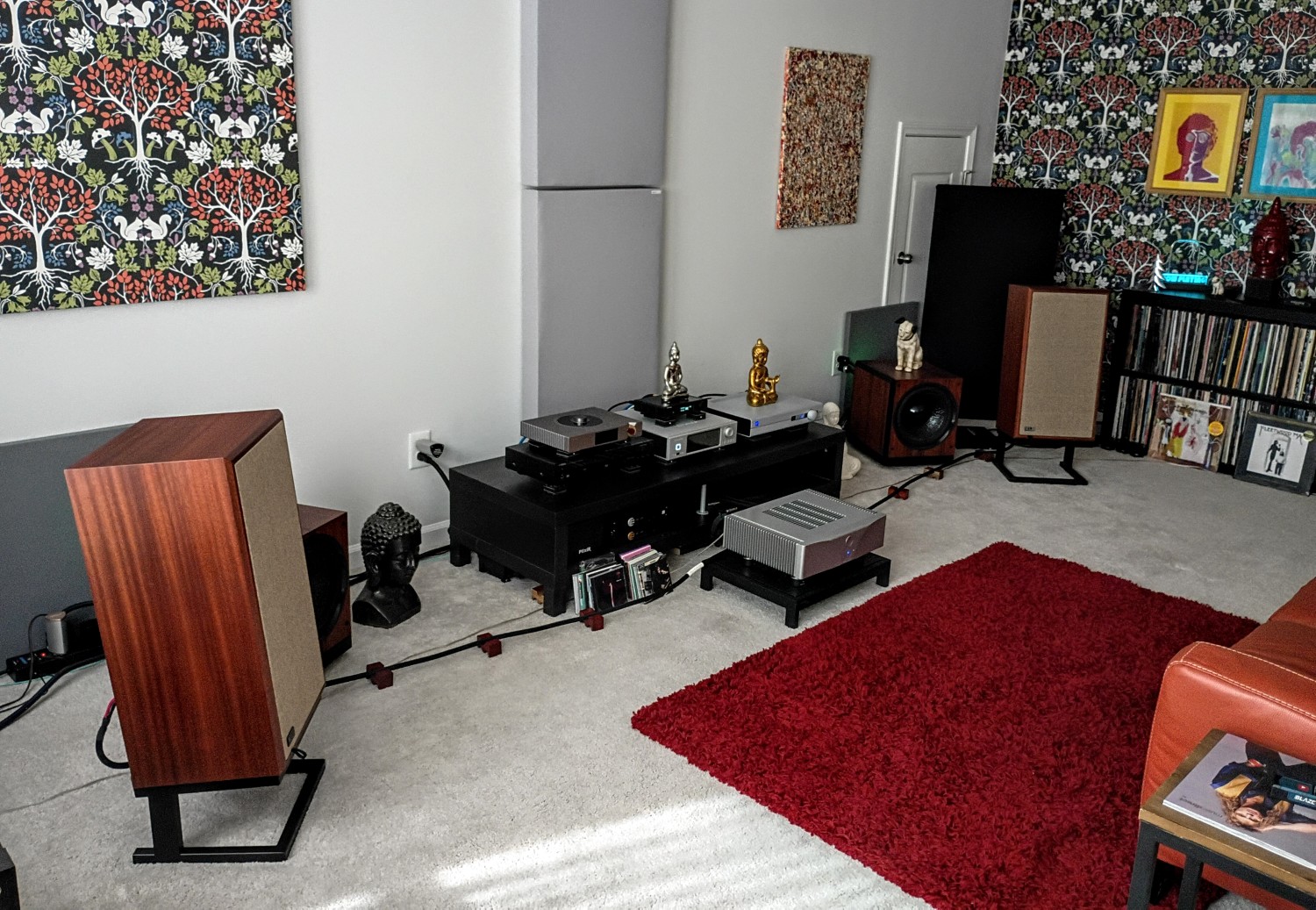
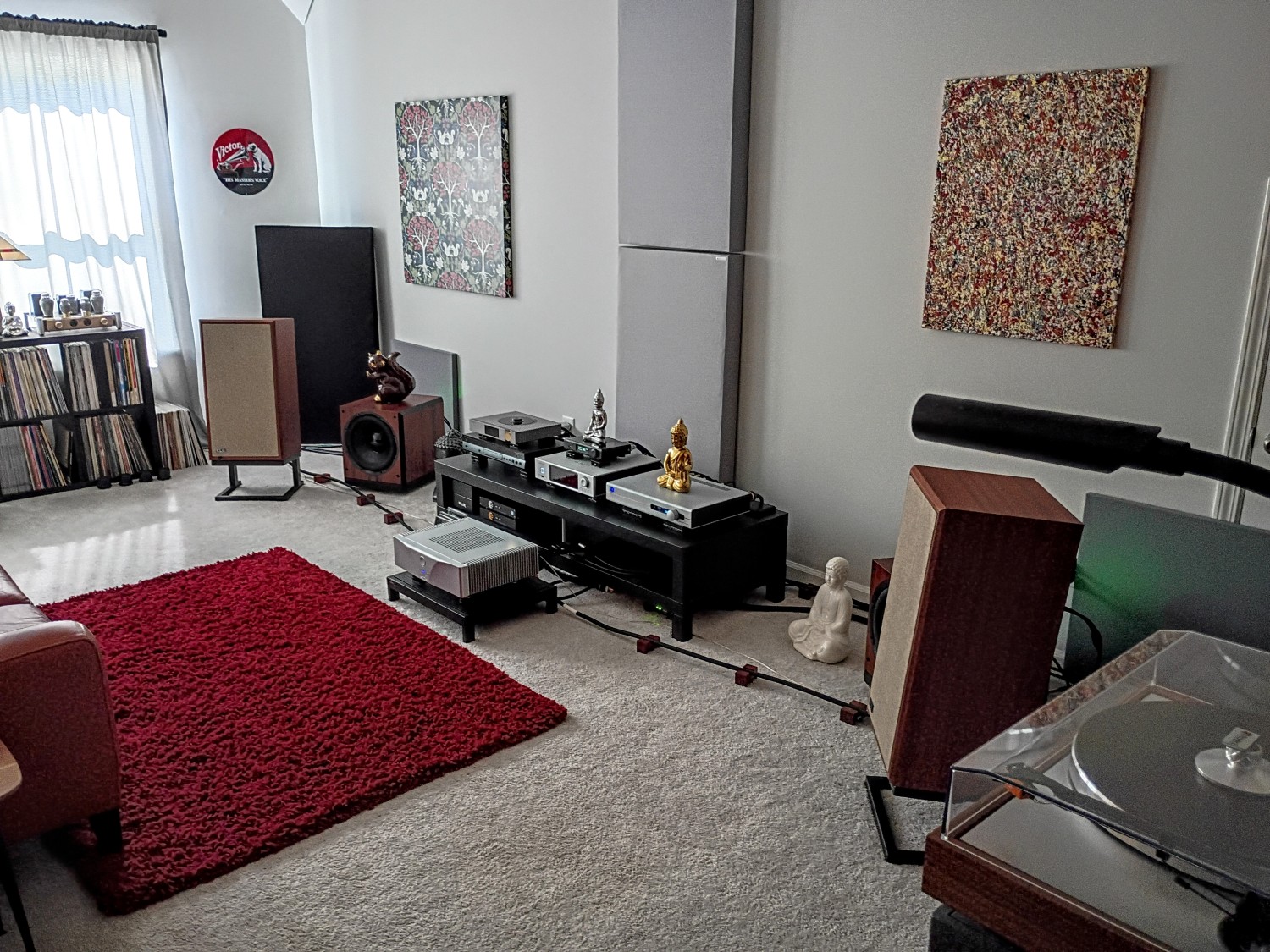
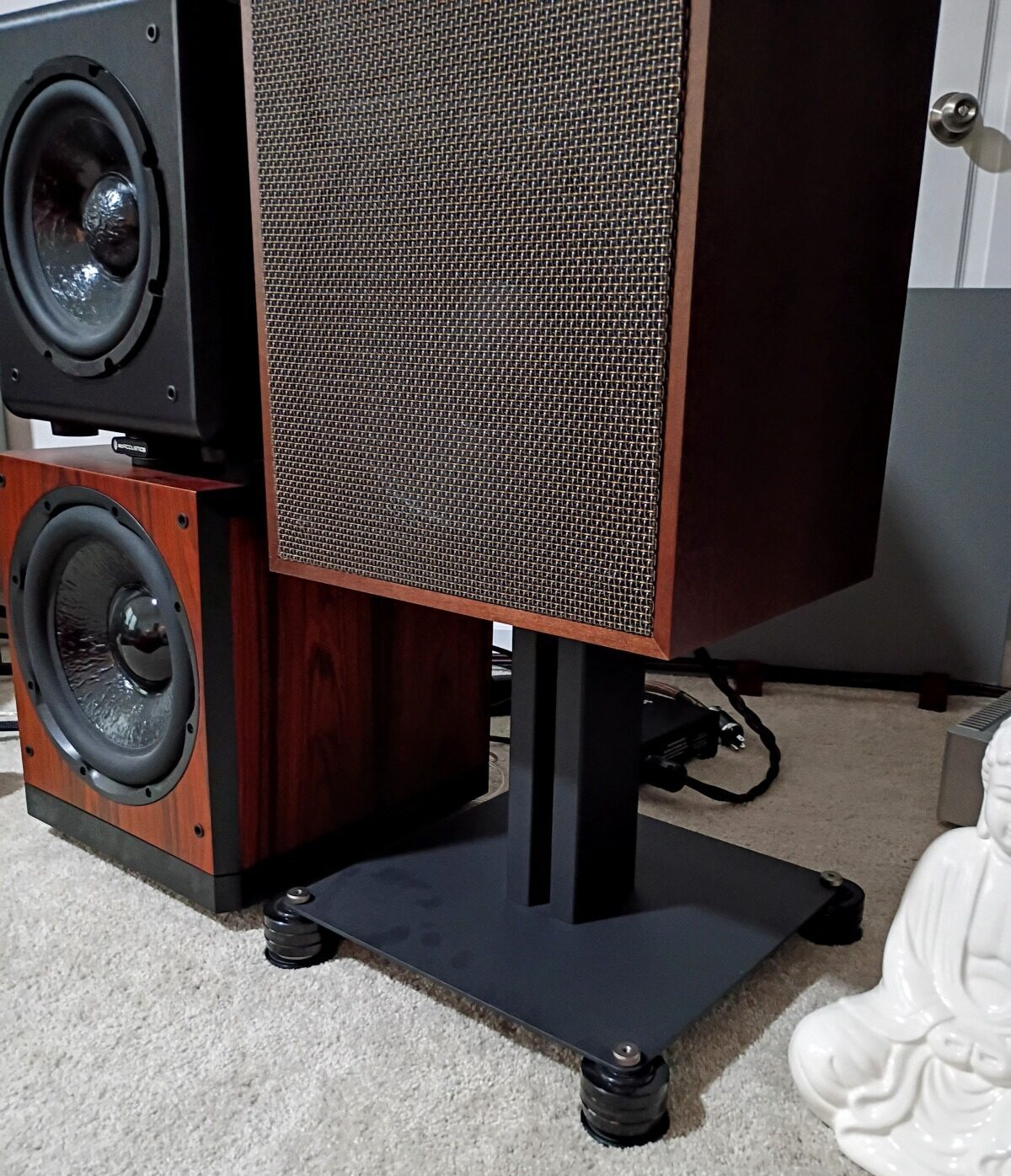
The Heresy IV's ran concurrently in my system with a quad of Vera-Fi Audio Caldera subwoofers, and were situated for months alongside a pair of SVS Ultra Evolution Tower Loudspeakers that were also in for evaluation. And I regularly switched between powering the two pairs to assist in breaking each of them in, as both arrived brand new with zero hours on them. Heresy's lovely new American Auburn finish is dark, but not so much as Klipsch's black ash finish, and you can really see the beauty of the woodgrain in the veneer. My evaluation commenced with the Heresy IV's attached to the KS-12 stands, and they remained in place for the vast majority of my listening. The metal stands were also fitted with the IsoAcoustic GAIA Neo II isolators that arrived not long after the Heresy IV's appeared—you can read my review of the GAIA Neos HERE. Late in the review, I also listened with only the Heresy's stock risers attached—more about that in just a bit!
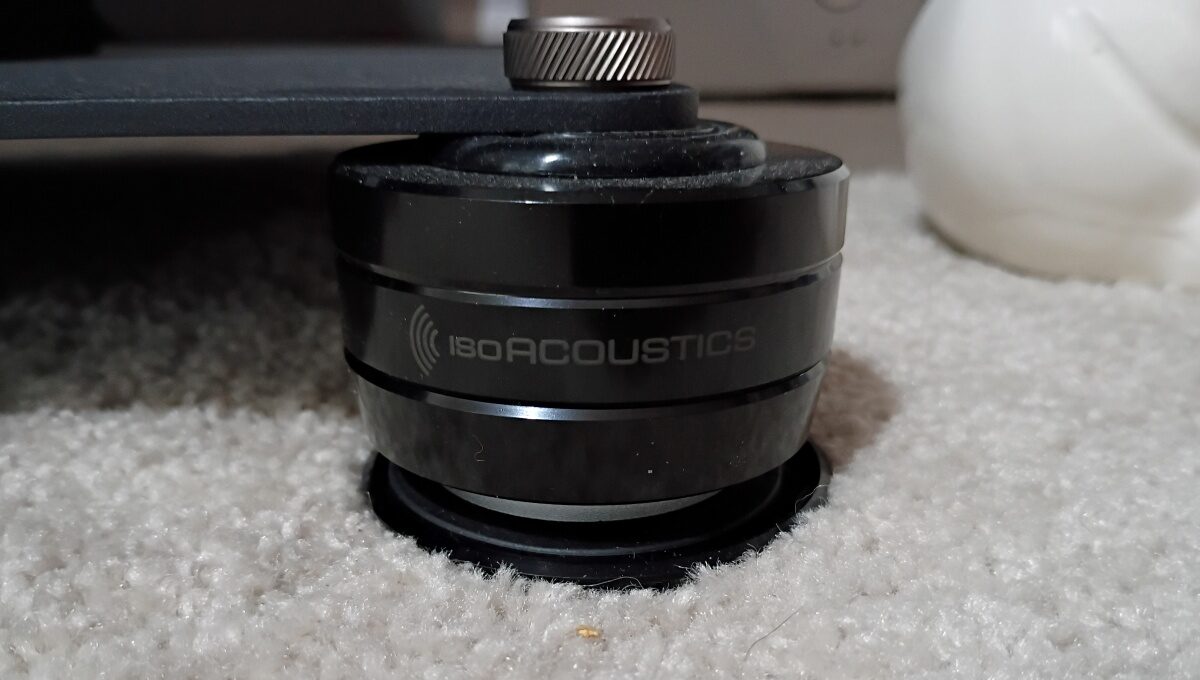
The IsoAcoustics' GAIA Neo demonstration was already on my agenda at Audio Advice Live in August, and following a truly impressive presentation, the friendly folks at IsoAcoustics kindly agreed to send complete sets of GAIA Neos and Aperta Sub isolators to me for evaluation. Upon their arrival, GAIA Neo II isolators were attached to each Heresy stand, and a pair of the Aperta Sub isolators were placed underneath each stack of subwoofers. The resulting transformation of the sound mirrored what I experienced during the Audio Advice Live demonstration. And while the Heresy IV's were superb performers on their own, the addition of GAIA Neos and Aperta Sub Isolators offered the system a tangible uptick. The integration of the Heresy's in combination with the quad of Caldera subs quickly went from really good to perfectly seamless.
Setup and Listening to the Klipsch Heritage Heresy IV's
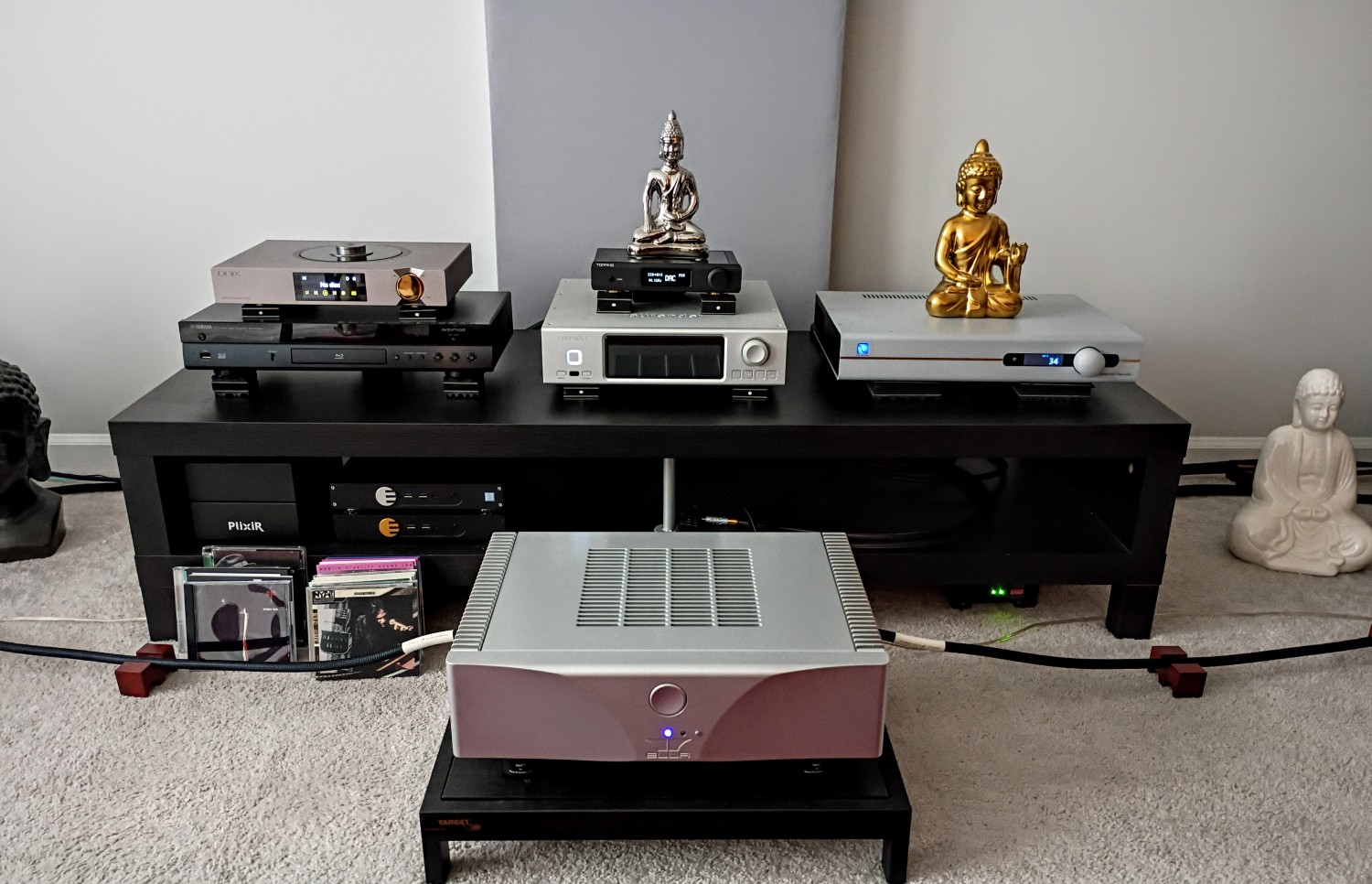
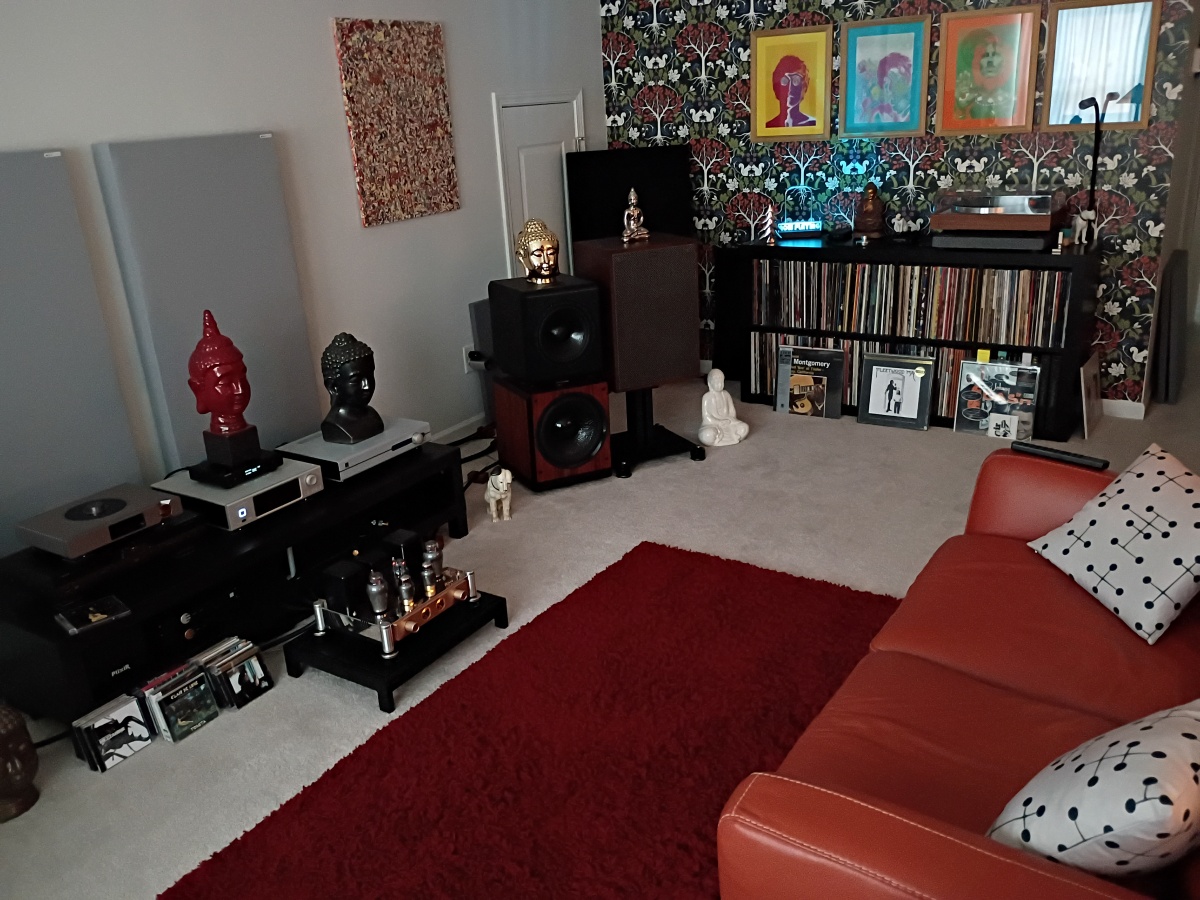
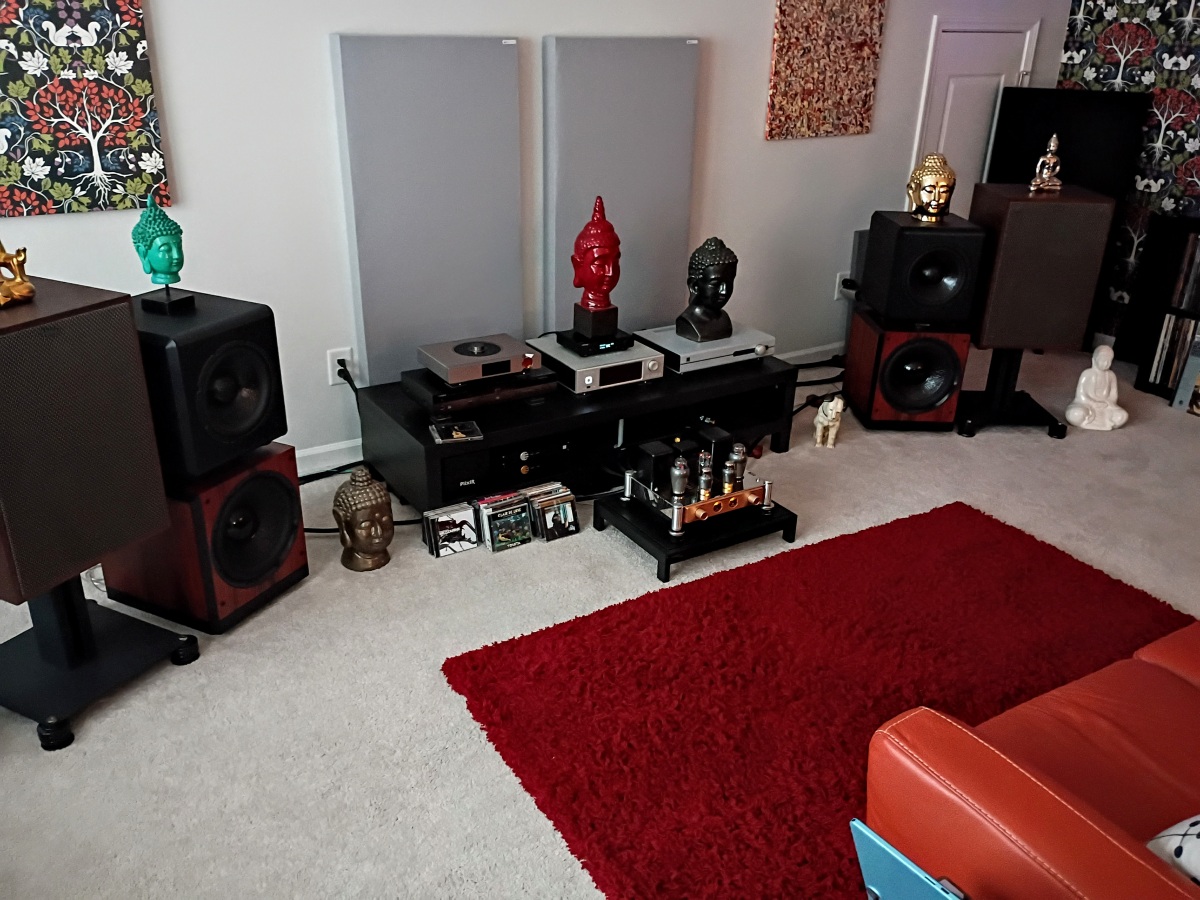
By clicking on my name in the header above, you can see all the equipment that currently occupies my audio system. During the review, the Heresy IV's were predominantly driven by the Reisong Boyuurange A50 Mk III SET integrated tube amplifier (7.5 wpc, RAY Reserve 300B power tubes). I also tested their response to both my PrimaLuna EVO 300 tube integrated (50 wpc, KT88 RAY Reserve power tubes) and German-made Naiu Labs Ella power amplifier (250 wpc/8 ohms, 500 wpc/4 ohms, 1 kwpc/2 ohms). Uniformly excellent results were achieved regardless of which amp happened to be in use. The 7.5 watt Reisong A50 definitely had a rapport with the Heresy IV's the other amps couldn't quite match; it was much of the reason for my headstrong push towards this review, and together, the combination exhibited remarkable symbiosis!
Just prior to the arrival of the Heresy IV's, my listening environment underwent a major rebalancing, with a shift to a long-wall loudspeaker orientation. The Heresy's were positioned about 11 feet apart from their acoustic centers, 4 feet from the wall behind them, and about 4.5 feet from the side walls. My listening position was triangulated to their acoustic centers, with the Heresy's toed-in, but not pointed directly at my ears. I've been tweaking this room for months on end, and it's nicely dialed-in for perfect stereo listening. GIK acoustic panels are on the wall behind and between the loudspeakers; they help firm the center image, and GIK bass traps in the room corners behind them keep the bass well-controlled. Corning acoustic panels are scattered at intervals around the room and are hung in the upper corners between the walls and ceiling—this room far and away offers better acoustics than any of my previous home listening environments.
I'm a firm believer in the effectiveness of vibration control and resonance reduction in audio systems, and I incorporate devices from a variety of manufacturers with all source equipment to aid in the elimination of microvibrations. And the addition of the IsoAcoustics devices provided a definite improvement during my evaluations—and afterwards! Any inconsistencies in the performance of either the Klipsch Heresy IV's or the quad of Vera-Fi subs that previously existed in the room completely disappeared once the IsoAcoustics isolators were added to the system. They provided an astonishingly solid foundation that decoupled the loudspeakers and subs from the room, allowing the full complement of transducers to achieve nearly perfect in-room response.
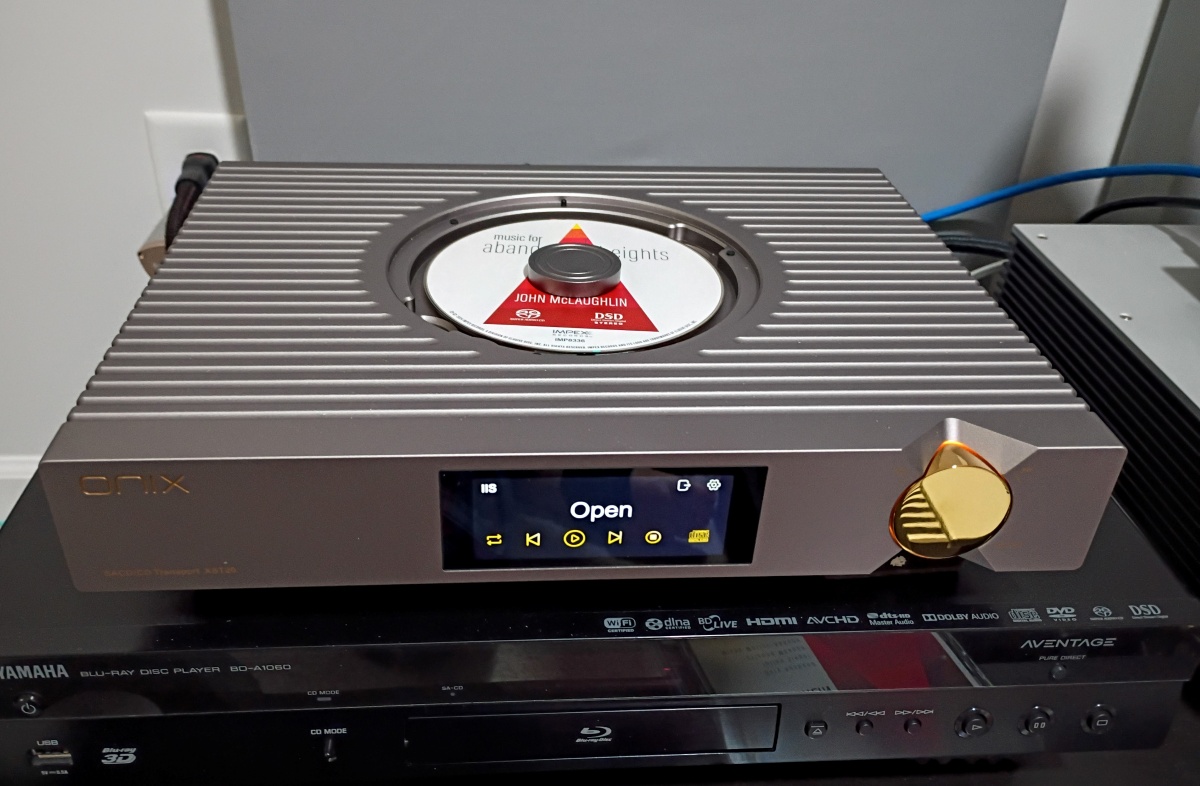
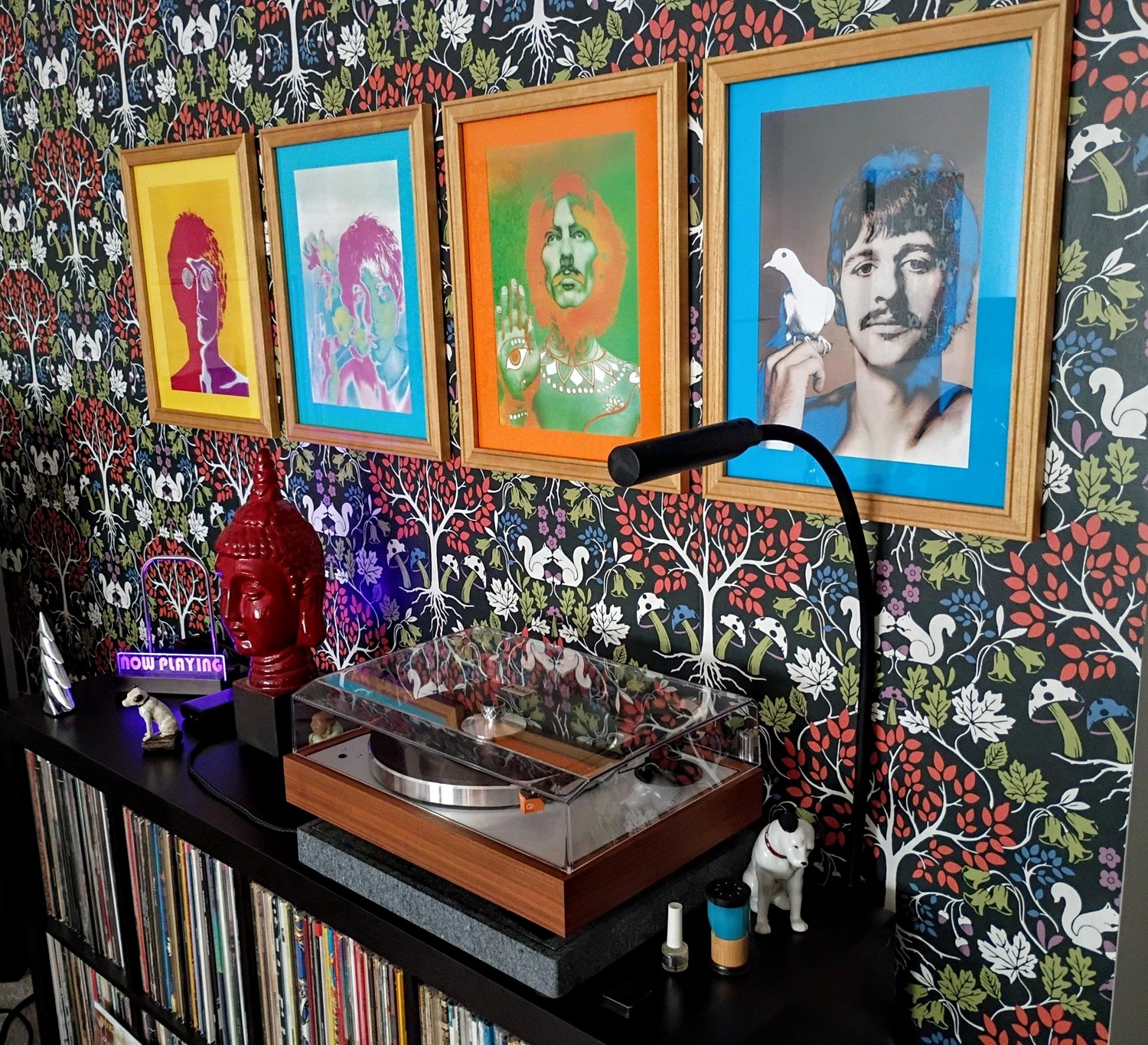
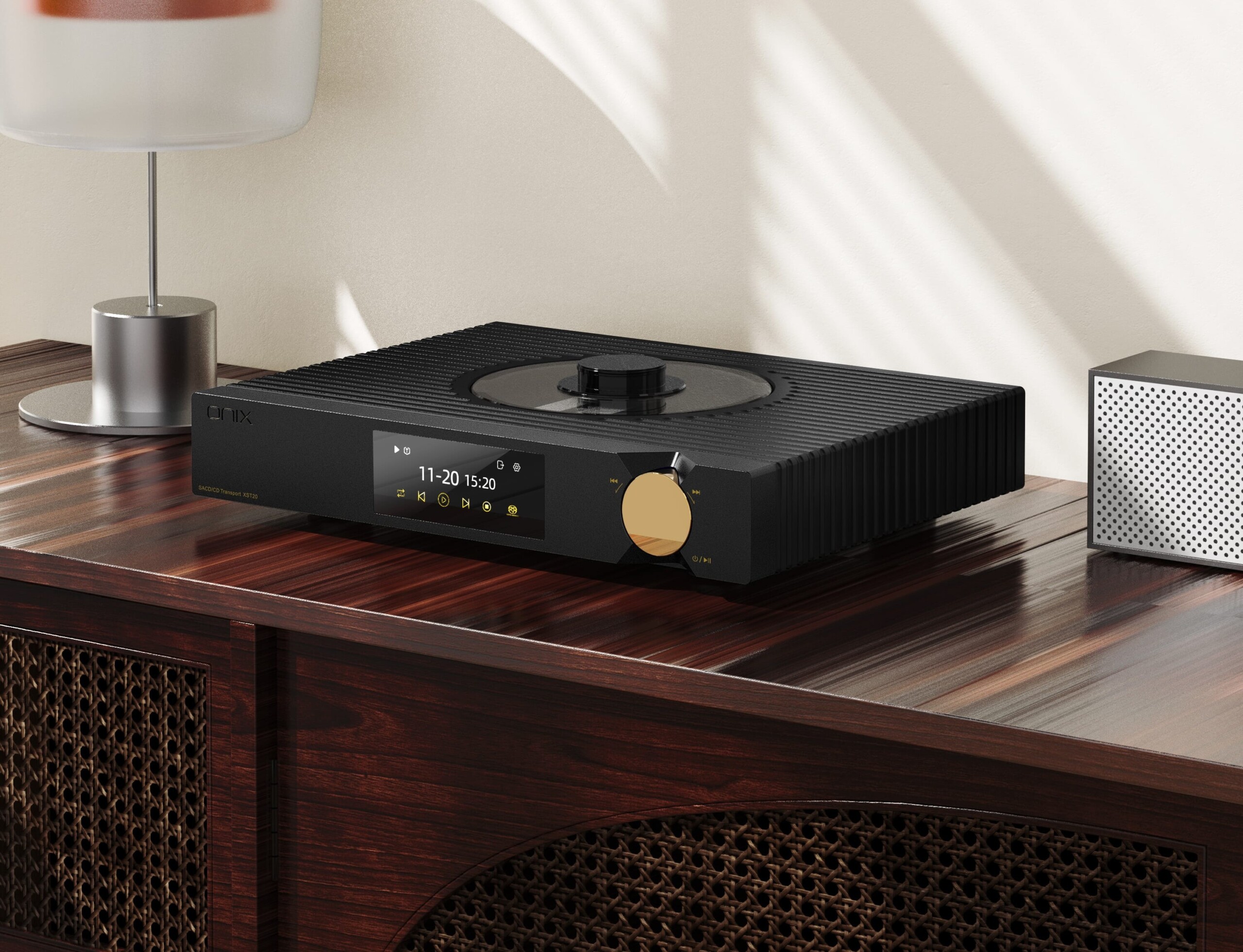
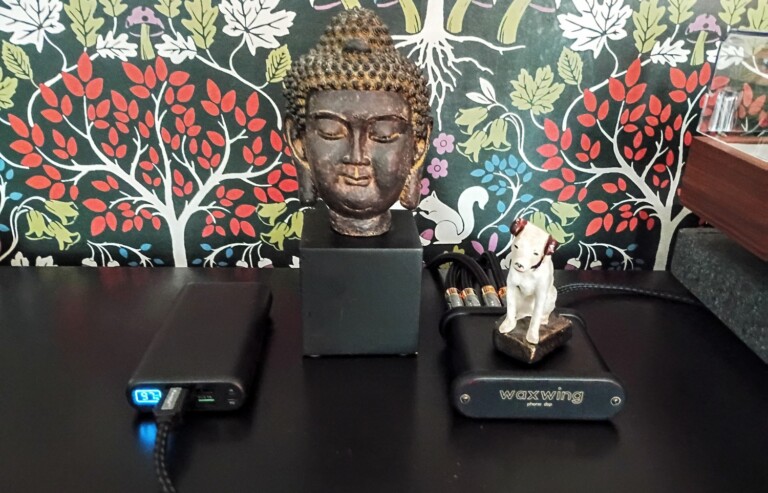
The synergy between the Reisong A50 SET amp and the Heritage Heresy IV's was nothing short of a marriage made in heaven! Sources used for the evaluation included my ProJect Classic EVO turntable fitted with an Ortofon Quintet Bronze MC cartridge, playing through a Parks Audio Waxwing phono preamp; an Onix Zenith XST20 SACD/CD transport attached to a Topping D90 III Discrete true 1-bit DAC; and an Aurender A1000 music server, also playing into the Topping DAC. In the instances where the Naiu Labs Ella amplifier was used, it was driven by my PS Audio Gain Cell Preamplifier. Again, the vast majority of listening was done with the Reisong A50 SET, and the sound delivered by the full complement of RAY Tubes (300B Reserve power tubes, 6SN7 Reserve driver tubes, and 5U4 Select rectifier tube) was truly transcendent through the Heresy IV's. Despite only outputting 7.5 watts per channel into 4 or 8 ohms, the A50 could drive the Heresy IV's to reference levels and beyond. Delivering sound that displayed utterly refined delicacy or unrestrained, brutishly insane dynamics as required by the music.
I must admit that despite having years of exposure to metal compression drivers, whether employed in loudspeakers I owned from Klipsch or Zu Audio, I was nervous that the new horn treble transducer might exhibit a metallic quality, especially prior to getting properly broken in. That was never the case, and the Heresy IV's in combination with the magic bestowed upon them by the Reisong A50's tube rectifier and 300B output tubes performed without a trace of sheen or harshness. The A50 is an astonishing performer despite its budget lineage, and the Heresy IV's proved again and again that they definitely belonged in Klipsch's Heritage Series, whether painting pictures of undying loveliness or the crushing transients of prog, metal, or industrial rock.
Music choices
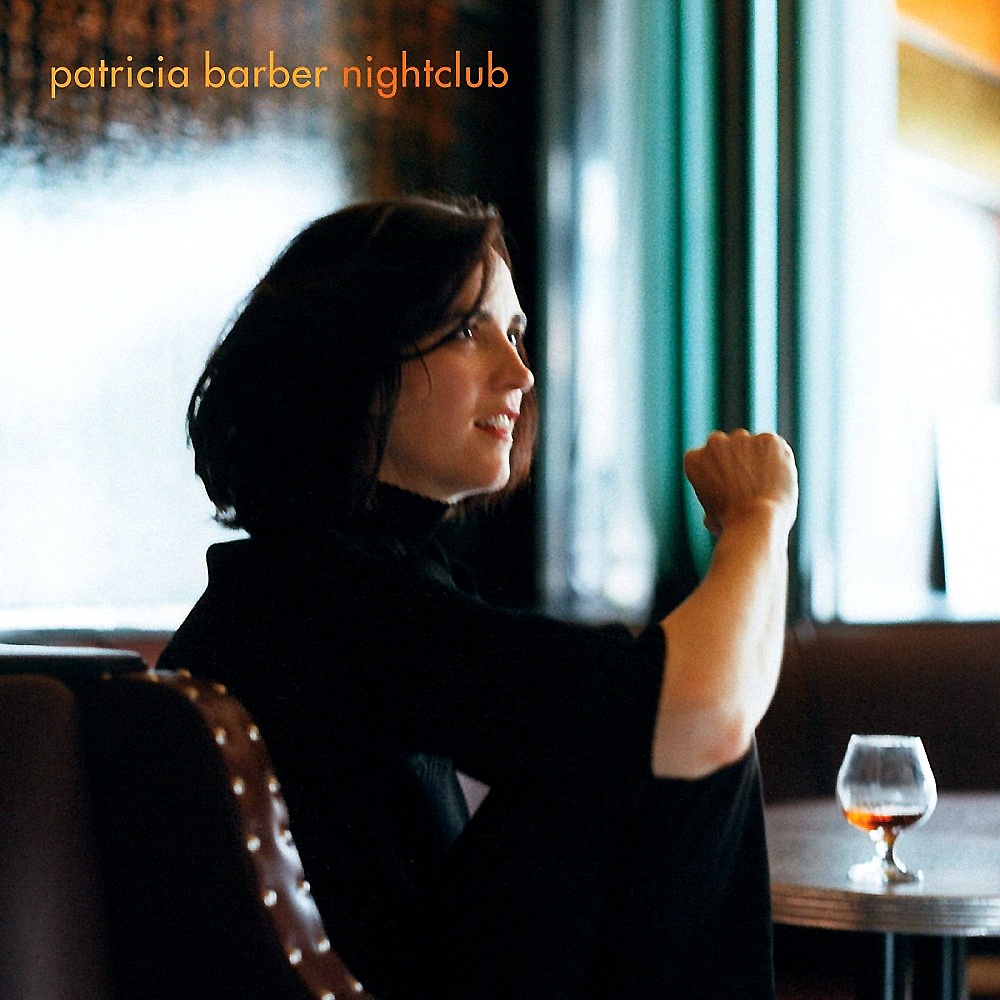
Early on I purposely made music choices that might be more symbiotic with the nature of a low-watt SET amp driving the high-efficiency Heresy IV's. That ethos was quickly dispensed with, but I nonetheless started out with albums and artists I knew would showcase the system's strengths. I've been almost exclusively playing both SACDs and CDs via the Onix Zenith XST20 transport of late, and began with a recently acquired Mobile Fidelity SACD, Patricia Barber's Nightclub, which is a record I know intimately. MoFi's SACD offers this album in truly superb sound, and across the Reisong A50/Heresy IV combination, most tracks were played with delicacy and transparency, but the system was also quite capable of delivering the dynamics inherent to many of the selections. Putting on Impex's one-step 45 rpm LP of this excellent recording (kudos to engineer Jim Anderson!) quickly rubber-stamped my impressions, and the overall presentation of these incredible performances across the Heresy IV's was as supremely musical and detailed as I've ever heard them, by any amp/loudspeaker combo at any price point.
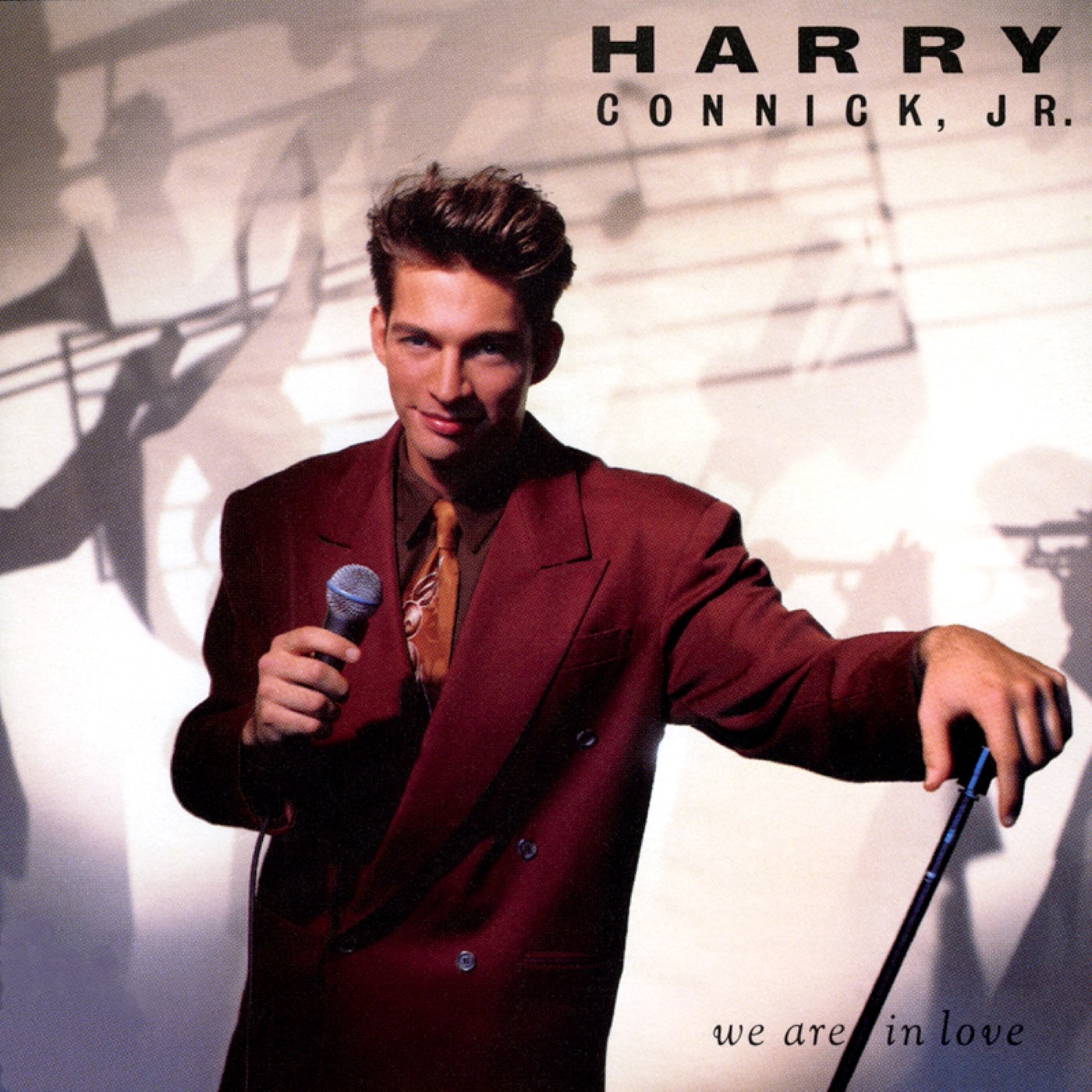
Staying in the realm of jazz vocals, Harry Connick Jr's We Are In Love also walks the line between brashness and intimacy. With the performances split between big band/orchestral numbers and trio tracks that often feature only Connick's mellifluous voice, an acoustic bass, and Branford Marsalis' tenor sax. This album was another recent SACD acquisition, and across the Heresy IV's, the level of realism was staggeringly good and demonstration quality, making this record one that's perfect for judging how a loudspeaker presents male voices and acoustic instruments.
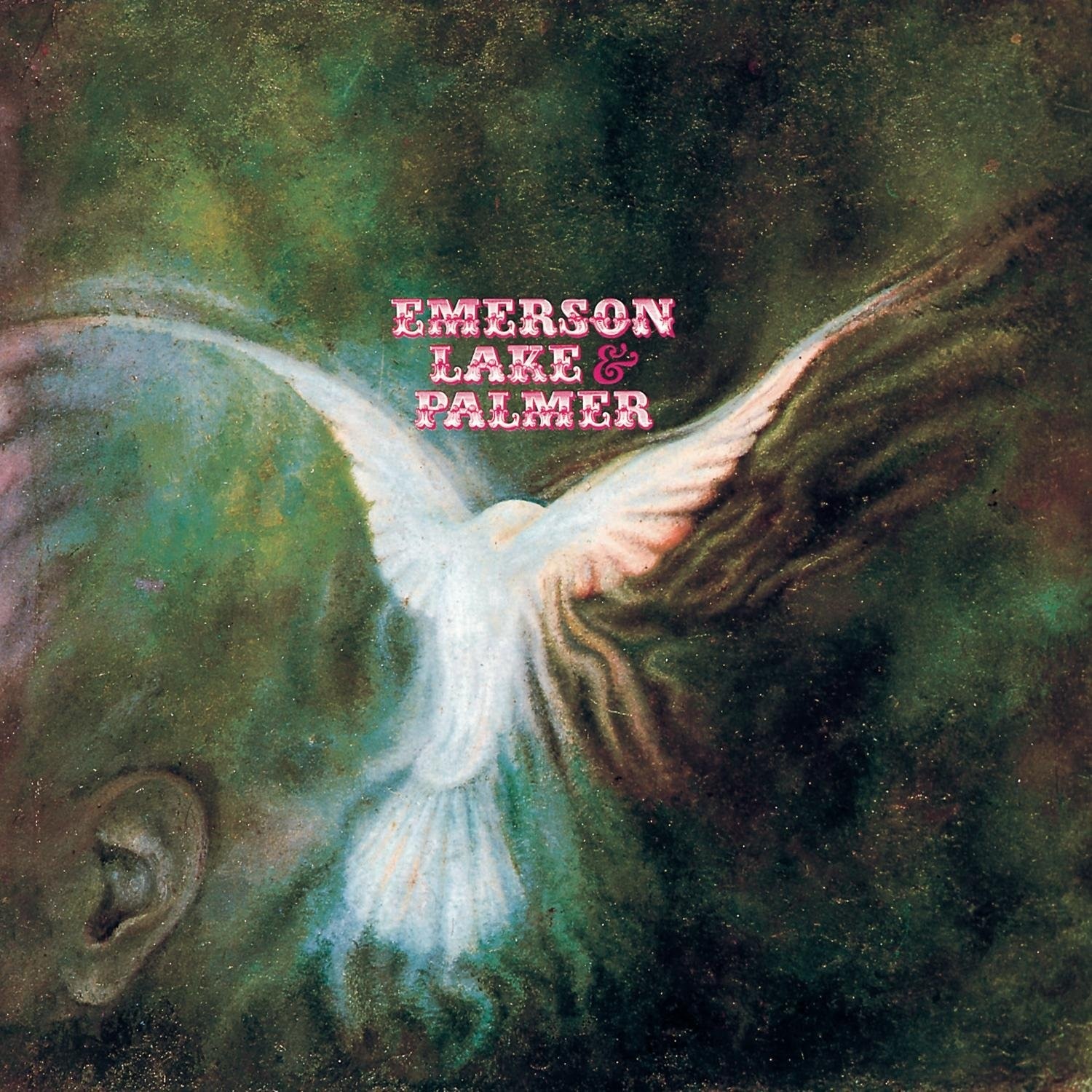
MoFi's recent reissue of Emerson, Lake & Palmer's catalog of classic albums is underway on both LP and SACD, with ELP, Tarkus, Pictures at an Exhibition, and Trilogy already out. While classic tracks like "Take A Pebble," "From the Beginning," and "Lucky Man" played with requisite fluidity across the Heresy IV's, "Tank," "Trilogy," and especially "Tarkus" were delivered with effortless bombast. Never at any volume level did the amp run out of gas, and the Heresy IV's just kept cranking, hardly breaking a sweat.
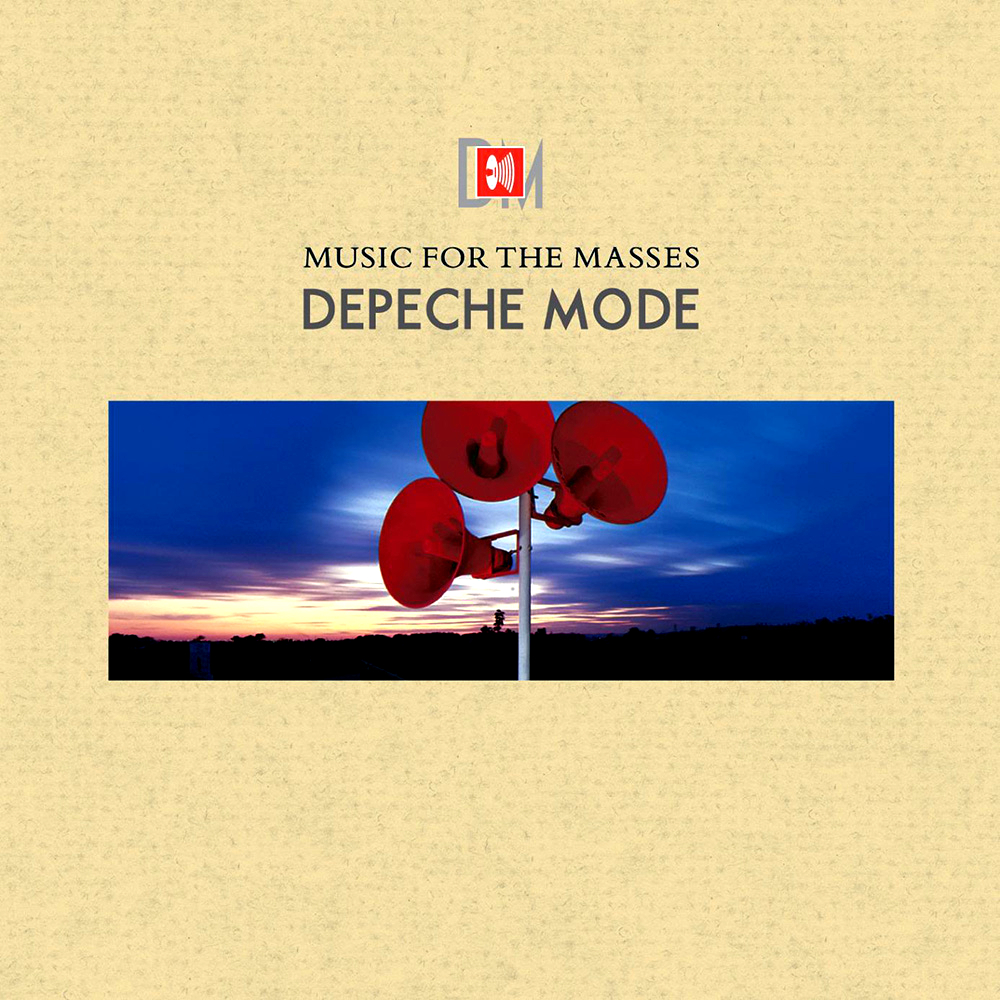
Depeche Mode's Music for the Masses ranks highly for me in their excellent catalog of albums that offer equal parts of intensely cerebral listening and crushing industrial beats. "Behind the Wheel" with its nifty rotating hubcap intro lunges into a disco-inspired backbeat that crunches rhythmically throughout the tune's run time, pounding my brain while also elevating my neighbors' proclivity to phone the police to report a noise disturbance. And never at any point did the Heresy IV's give any indication that 7.5 watts of SET power wasn't enough to shake the rafters with maximum SPLs.
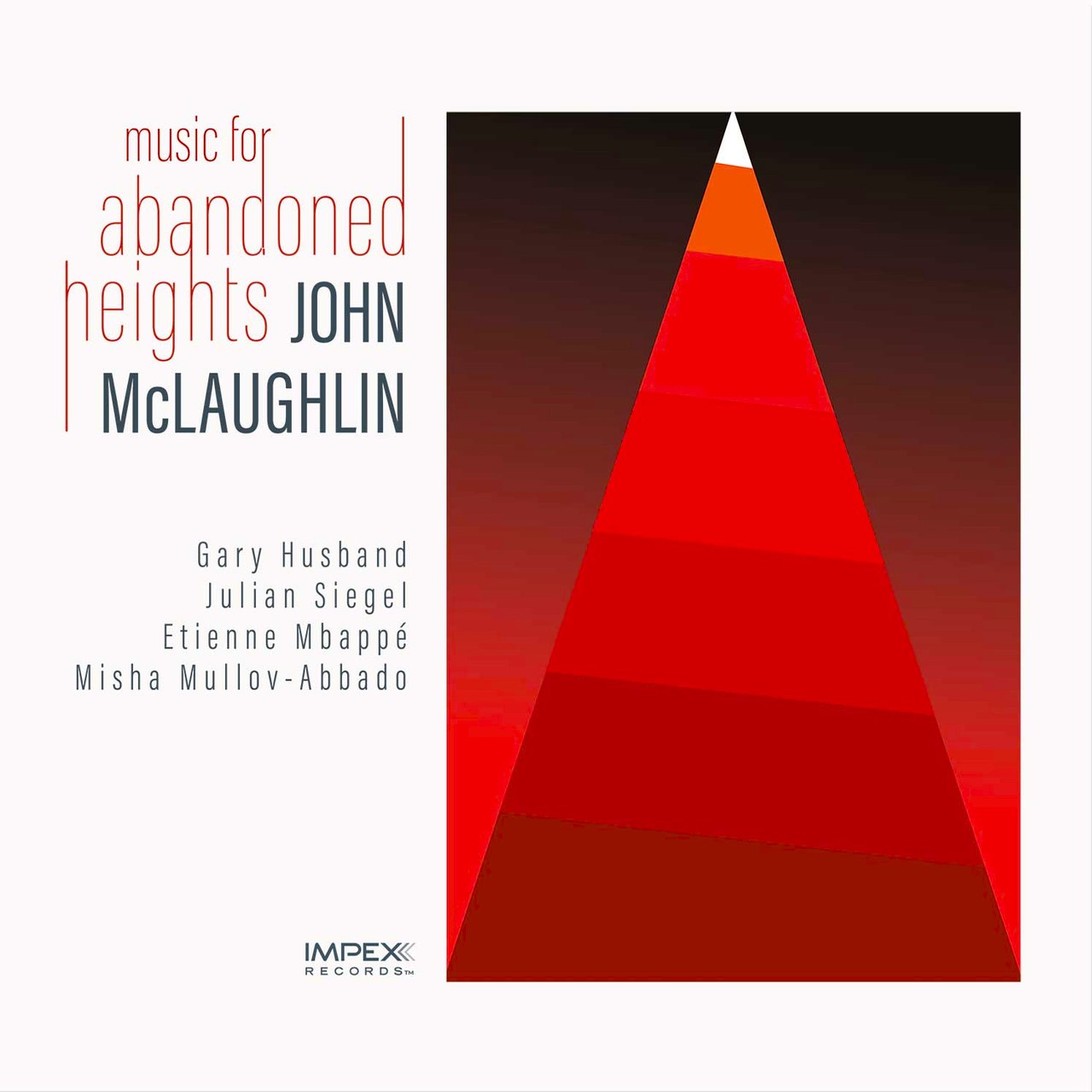
Moving into a more jazz-fusion vibe, guitarist John McLaughlin's newest, Music for Abandoned Heights on Impex Records SACD and LP, offers an eclectic mix of often drivingly propulsive tunes and tender ballads. It's played on both acoustic and electric instruments, with the really tight group he's been working with for about a decade—this is one of the most dynamic albums I've heard in many years. The sound quality of this record is to die for, and definitely proves the 80-something McLaughlin hasn't lost a step, and still has plenty to say! The Reisong/Heresy combo handled even the most difficult passages of this highly percussive and challenging music effortlessly, and portrayed it with a level of realism that truly stunned me.
It's a Wrap!
When I initially formulated my rationale for this review, my enthusiasm for the Reisong Boyuurange A50 Mk II SET amp overwhelmed my senses, even in its $1000 stock form. Just thinking about pairing it with the $3600 Klipsch Heritage Heresy IV loudspeakers probably should have struck me as—well, total heresy (pun intended!). But adding $1600 worth of RAY Reserve and Select tubes to the mix and a $900 AudioQuest AC power cord definitely made any perceived differences seem much less incongruous. And the Reisong A50 has been in my system for nine months now, and without so much as a hiccup; despite its relatively lowish position in SET hierarchy, it's been a superb performer, and proved to be the perfect source of amplification for the Heresy IV's. That said, even when supplied with the kind of chutzpah offered by the PrimaLuna EVO 300's KT88-driven tubes, or the mega-solid state watts of the Naiu Labs Ella, the Heresy IV's took it all in stride, producing one supremely musical performance after another. Of course, the 300B SET watts and tube rectification imbued the performances with the kind of you-are-there realism that ultimately won the day. And the 99dB/watt sensitivity of the Heresy IV's allowed them to alternate with ease between breathtaking delicacy and bone crushing dynamics. I found listening through this setup to be truly remarkable!
Virtually all of my listening sessions with the Klipsch Heresy IV's were with the optional KS-12 stands attached. That worked more perfectly in my listening environment, as it allowed for attachment of the IsoAcoustics GAIA Neo isolators, which significantly enhanced their performance. While I did also listen to them with only the stock risers attached, the angle of the loudspeakers with relation to my listening position wasn't really optimal, and my room isn't large enough to make any adjustments that might have improved the situation. I feel like the risers would work really well in a room of larger-than-normal proportions—with the stock risers, the Heresy IV's cast a really wide soundstage, with exceptional image height, but from my current listening position, it just didn't work for me. Listening with the stands, on the other hand, offered impressive soundstaging, a pinpoint stereo image, and music that arrived at my ears with uber-realism. The KS-12 stands are optional, but for my situation—not so much!
I could wax poetically about the Klipsch Heritage Heresy IV's for hours on end; they could easily be my forever loudspeakers, with capabilities that satisfy all my needs. And for someone who spent over four decades reminiscing about a chance encounter with a pair of Klipschorns, having the Heresy IV's here for the last several months has been nothing short of magical! I can't praise them highly enough—many thanks to everyone at Klipsch, and especially to Sue Toscano for her above-and-beyond assistance in making this possible!
Heritage Heresy IV Loudspeakers
Retail: $1799.99 (each), optional KS-12 stands: $474.99 (pair)
Klipsch
All images courtesy of Klipsch and the author.
¹ I've known Sue Toscano for what seems like eons now; she's one of the nicest, most down to earth and personable people you'll ever encounter, and catching up with her at audio shows is always a pleasure. The level of concern she's shown with regard to whatever craziness seems to be going on in my family—whether it's some malady that's affecting my youngest grandson Finneas, my wife Beth, or even me—is completely over the top. I have no doubt her interest and level of concern are an expression of total sincerity, and I've rarely encountered anyone over the course of my lifetime who projects the kindness, warmth, and complete professionalism that Sue radiates. Knowing her has truly been a gift!