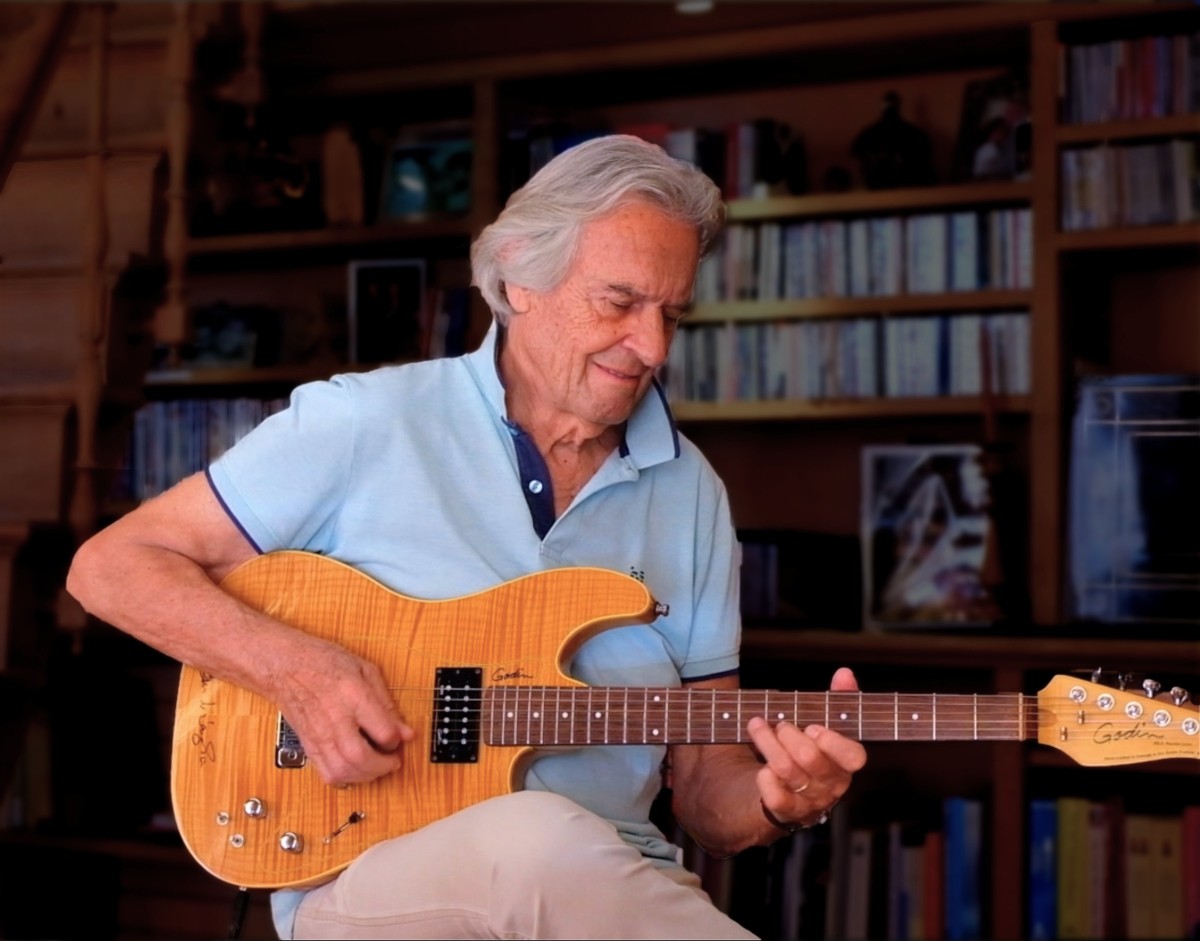
Impex Records has just released incomparable guitarist and jazz fusion legend John McLaughlin's latest recording, Music For Abandoned Heights. It's an album that hearkens back to not only his classic early recordings, but continues to build on a legacy of remarkable fretwork that spans a half-century of thrilling and often groundbreaking performances. Music for Abandoned Heights is essentially a soundtrack to the upcoming Jack Stallings crime noir Abandoned Heights, but it's also a consistent and fully-formed musical statement. One that not only honors John McLaughlin's brilliant past, but also presents a wealth of new music that proclaims his continuing relevance to the jazz world and beyond.
Walter Kolosky's superb liner notes detail the unlikely genesis of McLaughlin's score for the film, where director Jack Stallings' wife Janera Soerel sent his screenplay to a shared friend, NYC impresario Allan Buchman. Concurring with Stallings' own determination that the film needed a jazz score, Buchman then forwarded the script to another old friend, guitarist John McLaughlin. After having read the manuscript, McLaughlin quickly reached out to Stallings, sharing reminisces of how it conjured memories of the French noir films he admired in his youth. And he relayed his vision for a score that would in ways parallel Miles Davis' classic Ascenseur pour l'échafaud (Elevator to the Gallows), written for the 1958 Louis Malle film. While Stallings appreciated the comparison to Malle's classic, he also made it very clear that this would be an American film set in New York City, and insisted that McLaughlin's score should reflect that. McLaughlin had a demand of his own, that Stallings would give him complete carte blanche with the score, not at all unlike the freedom Miles was granted by Malle. Stallings agreed unhesitatingly; he'd developed a great admiration for McLaughlin's music from the point he discovered it as a teenager, was a huge fan of his peerless artistry, and obviously trusted in his ability to provide the perfect score for his film.
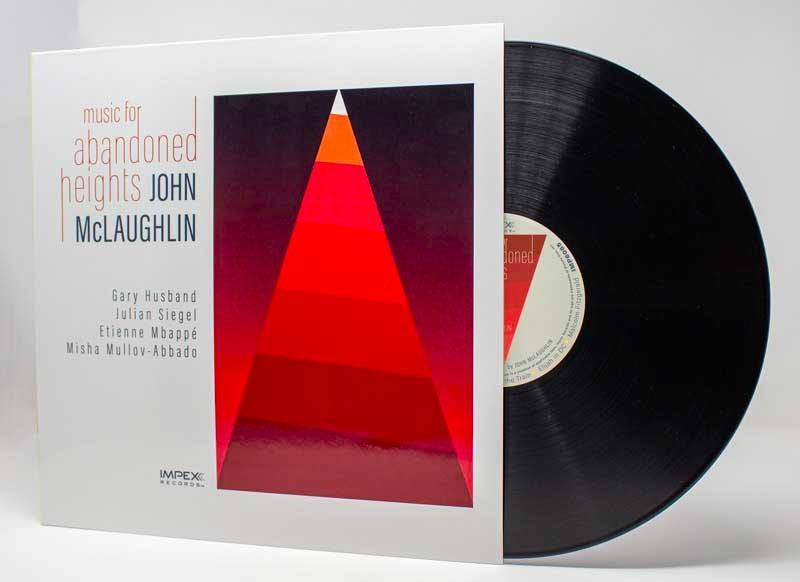
Music For Abandoned Heights is being released simultaneously as HQ-180 gram LPs, SACDs, and as high-resolution digital files available for streaming or download on most major online streaming platforms. The album was recorded in 24-bit, 48 kHz digital; Chris Bellman then mastered the album at Bernie Grundman Mastering in Hollywood, and Gus Skinas authored the SACD at the Super Audio Center in Boulder, Colorado. While the process was entirely digital throughout (digital original to digital mix, master, and lacquers), my extensive experience (and my ears!) tell me that the very best digital—especially in this golden age of digital playback—offers a quality of sound that's easily on par with the very best analog recordings. Record Technology Inc. plated and pressed the 180 gram LPs in Camarillo, California, and the SACDs were manufactured by Sony DADC in Austria. The packaging for Music For Abandoned Heights was crafted at Stoughton Printing (also in California!), including the heavy, tip-on outer jacket and the SACD's inlay card and booklet. A multi-page booklet features Walter Kolosky's interesting and informative essay, which is combined with notes from John McLaughlin that detail his concepts for much of the music. The LP and SACD bookend each other, and provide superb playback experiences, regardless of your personal preference between analog or digital spinning discs.
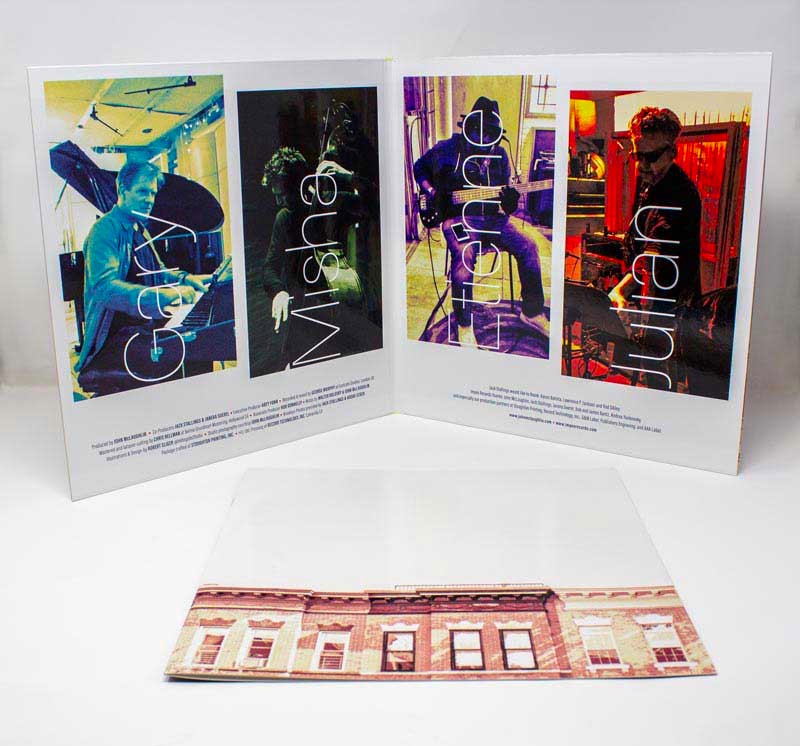
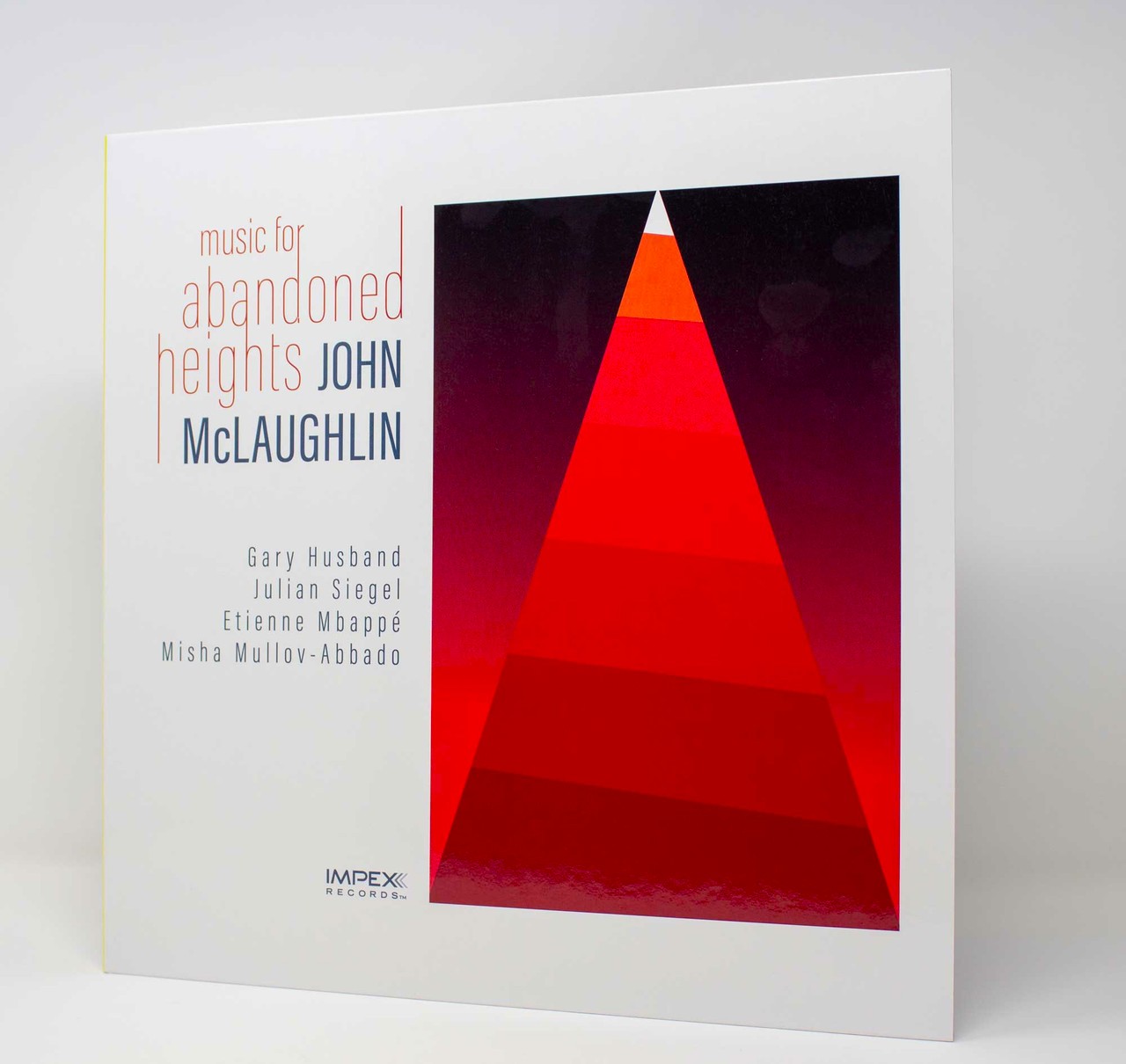
Impex again proves that their releases are the industry standard for both audiophile LPs and SACDs. Music For Abandoned Heights was produced by John McLaughlin, and co-produced by Jack Stallings and Janera Soerel. The album was executive produced by Abey Fonn, with Bob Donnelly serving as the associate producer. The superlative illustration and design work for the LP and SACD packages is from Robert Sliger @HebegebeStudio, with in-studio photography courtesy of drummer and keyboardist Gary Hudband, and the Brooklyn photos courtesy of Jack Stallings and Adobe Stock. The graphically stylish booklets included in both the LPs and SACDs include Walter Kolosky's excellent essay and John McLaughlin's album notes, which along with the photo montages make for a very enjoyable and visually striking read; as always, Robert Sliger's impressive design acumen again never fails to impress. Music For Abandoned Heights can be ordered on LP and SACD from Impex Records' partner Elusive Disc HERE.
Like director Jack Stallings, I discovered John McLaughlin's music early on
I clearly remember hearing John McLaughlin's otherworldly fretwork for the very first time; it was across the airwaves, courtesy of local Atlanta college radio station WREK (91.1 FM, The Wreck, Georgia Tech). The student-run station's usually eclectic mix on that particular day featured all four sides of Miles Davis' then still controversial Bitches Brew, uninterrupted—and it virtually blew my 16-year-old mind. Hearing McLaughlin's radical stylings on tracks like "Spanish Key" and "Miles Runs The Voodoo Down" was entirely foreign to my musical frame of reference, but I found it entirely intriguing! It was 1974, and Bitches Brew continued to shock the jazz establishment five years after its release, but I had zero concept of this music at that point. And it marked the first time I'd ever heard John McLaughlin play, or even seen his name appear on any album. But it grabbed me such that I had to acquire a copy and share it with my schoolmates, who were unsurprisingly already hip to it.
Their tastes in music were somewhat more adventurous than mine up to that point, and they were already well-acquainted with the first three Mahavishnu Orchestra albums. Hearing them launched me into a deep dive of John McLaughlin's catalog of appearances on albums from Miles Davis, Tony Williams' Lifetime, as well as his collaboration with Carlos Santana. Over the next few years, my copy of Bitches Brew was joined by In A Silent Way, A Tribute To Jack Johnson, and Live Evil, along with Tony Williams' Lifetime's Emergency!, Santana's Love Devotion Surrender, and the Mahavishnu Orchestra's The Inner Mounting Flame, Birds of Fire, and Apocalypse. By the time of my second year of college, I was beginning to explore McLaughlin's own studio albums, and when I walked into a record store in 1978 to find his newly released Johnnie McLaughlin, Electric Guitarist playing, I was undeniably hooked, and was finally on the leading edge by that point—I was the first of my friends to have a copy. As a kind of homage to the previous incarnations of his various musical endeavors, I found Electric Guitarist irresistible, and it has taken a special place among McLaughlin's records that have remained in my regular rotation.
In a couple of years, we were all gobsmacked by the virtuoso acoustic performances of McLaughlin, Al Di Meola, and Paco de Lucia on 1981's Friday Night In San Francisco. And throughout much of the 1990's, I moonlighted at a local Atlanta record store; that gave me easy access to additional McLaughlin catalog albums like My Goals Beyond (1971), Electric Dreams (1979), Music Spoken Here (1982), and especially The Promise (1995)—where hearing McLaughlin sparring with Jeff Beck on "Django" was a definite sensory overload, and is still one of my all-time favorite performances! In later years, as my work began as an audio journalist, I became acquainted with more contemporary works from McLaughlin and his band The 4th Dimension, including To The One (2010), Now Here This (2012), and Black Light (2015). Also making appearances were reissues of his work with the Indian fusion band Shakti, and the first-ever release of the legendary Trio of Doom album with Tony Williams and Jaco Pastorius. And of course, on Impex Records' superb reissue of Saturday Night In San Francisco (2022), created from the long-lost tapes from the second night performance that followed Friday Night In San Francisco. To say that I've obsessed over John McLaughlin is a bit of an understatement!
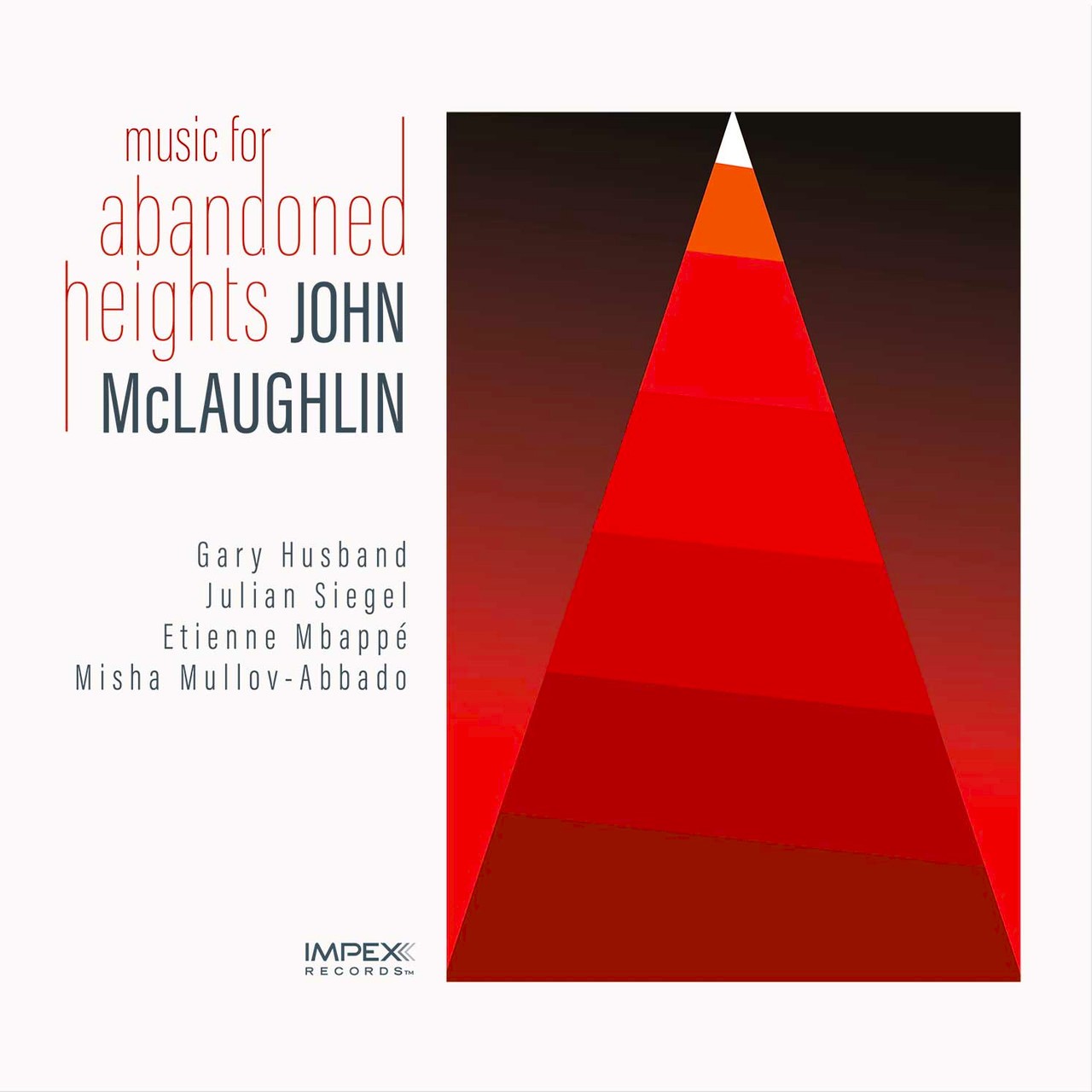
John McLaughlin, Music For Abandoned Heights, Impex Records 180 gram LP, $39.99, SACD, $34.99.
According to Walter Kolosky's liner notes and John McLaughlin's reminisces, his concept for Music For Abandoned Heights came together during the pandemic. He had other works that were already in development, and utilized some of those concepts to assist in writing the music for the album. And even though filming had not yet commenced, director Jack Stallings regularly sent McLaughlin written descriptions of the situations, scenes, characters, and scenarios to aid his process, such that McLaughlin knew the entire movie by heart by the time he'd completed the score. The band assembled for the recording sessions included, of course, McLaughlin on guitars, synth guitars, and programming; Gary Husband on drums and keyboards; Julian Siegel on tenor and soprano saxophones; Misha Mullov-Abbado on acoustic bass; and Etienne Mbappé on electric bass. Julian Siegel, Gary Husband and Etienne Mbappé are long-time associates of John McLaughlin, with both Husband and Mbappé having been part of his group The 4th Dimension for years. Music For Abandoned Heights was recorded and mixed by George Murphy at Eastcote Studios in London, UK, over a period of three days in May, 2019. Due to the ongoing events surrounding the pandemic and additional factors, the completion of the film has been unavoidably delayed, but John McLaughlin's enthusiasm to have the music made available resulted in Impex Record's LP and SACD release in December, 2025.
Stylistically, Music For Abandoned Heights covers a broad range of musical territory, but hews a line very close to jazz and jazz fusion—while playing like a classic John McLaughlin album that touches on stylistic hallmarks from throughout his very diversified career. There is no filler on this record; every track is either touchingly emotive, propulsively dynamic, or incredibly entertaining, with a level of sterling musicianship that one rarely encounters with the consistency displayed on Music For Abandoned Heights. It's actually almost impossible to believe that this record was recorded in its entirety in only three days, and the interaction between John McLaughlin and his team gives the impression they've been playing these tunes forever.
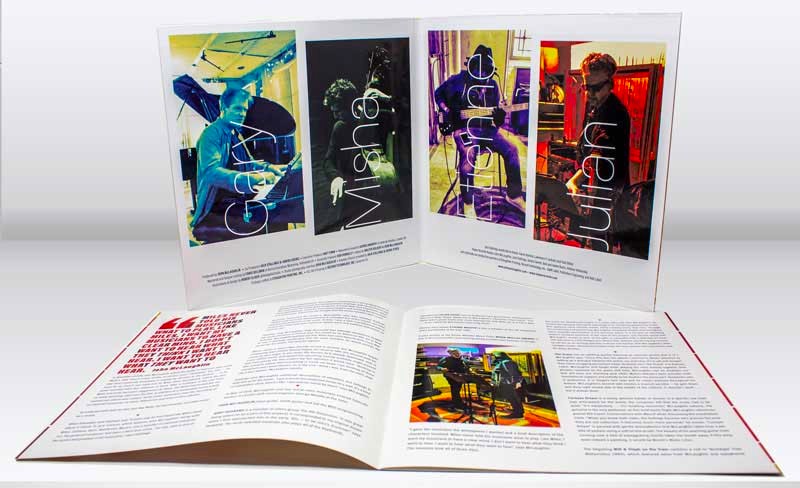
The LP's opener "The Scene," introduces the action with a propulsive drum, bass, and piano vamp that sets the tone for the first of many fiery guitar solos from McLaughlin. "Curaçao Dream" slows the pace significantly; McLaughlin's layered guitars provide the momentum for this melodic meditation, and the result is absolute ear candy. "Will & Elijah On The Train" continues in ballad mode, and features a bass, drums, and keyboard foundation with some expressive interplay between McLaughlin and Julian Siegel's soprano sax; Gary Husband's Fender Rhodes simply shimmers throughout the track. "Elijah In DC" opens with more stellar keys from Husband, as McLaughlin and Siegel play off each other, with Siegel on tenor sax throughout the propulsive tune, which borrows from McLaughlin's "You Know You Know" from the Mahavishnu Orchestra's The Inner Mounting Flame. Side one closes with "Malcolm Fitzgerald," a blues-funk grinder that highlights Gary Husband's pounding drums and percussion, punctuated by McLaughlin's guitar and Siegel's tenor doubling most of the note structures throughout.
Side two opens with "DC Basketball," where the percussive intro is underpinned by Etienne Mbappé's bass (channeling his best Jaco Pastorius); Siegel's raucous tenor runs and fills, along with Husband's cascading piano provide a perfect foil for McLaughlin's angular guitar leads, offering an effect that's right out of Bitches Brew's "Spanish Key." "Nathaniel & Christine" is awash in Gary Husband's shimmering brushes and cymbals, with a superbly melodic McLaughlin solo that gently slides into Husband's delicately poignant piano solo; the players then duo for the closing chorus. "Nathaniel Drives To New Jersey" opens with aggressive bass and drums that introduce a nicely crafted McLaughlin solo. Husband again doubles on piano, duoing with McLaughlin, who then alternates with Siegel's tenor, as Husband's transition to organ takes the tune to its close. "One Step Out" slows the pace again to an almost lilting vibe, and is a showcase for the exquisite brush and cymbal work and superb piano stylings of Husband, as McLaughlin and Siegel again play in tandem throughout much of the track, taking time for expressive solos from both players. The LP closes sensibly enough with "The End," another blues with a brush and cymbals background, punctuated by McLaughlin's overdubbed guitars. Husband joins in for another poignant and perfectly rendered piano solo in the song's center.
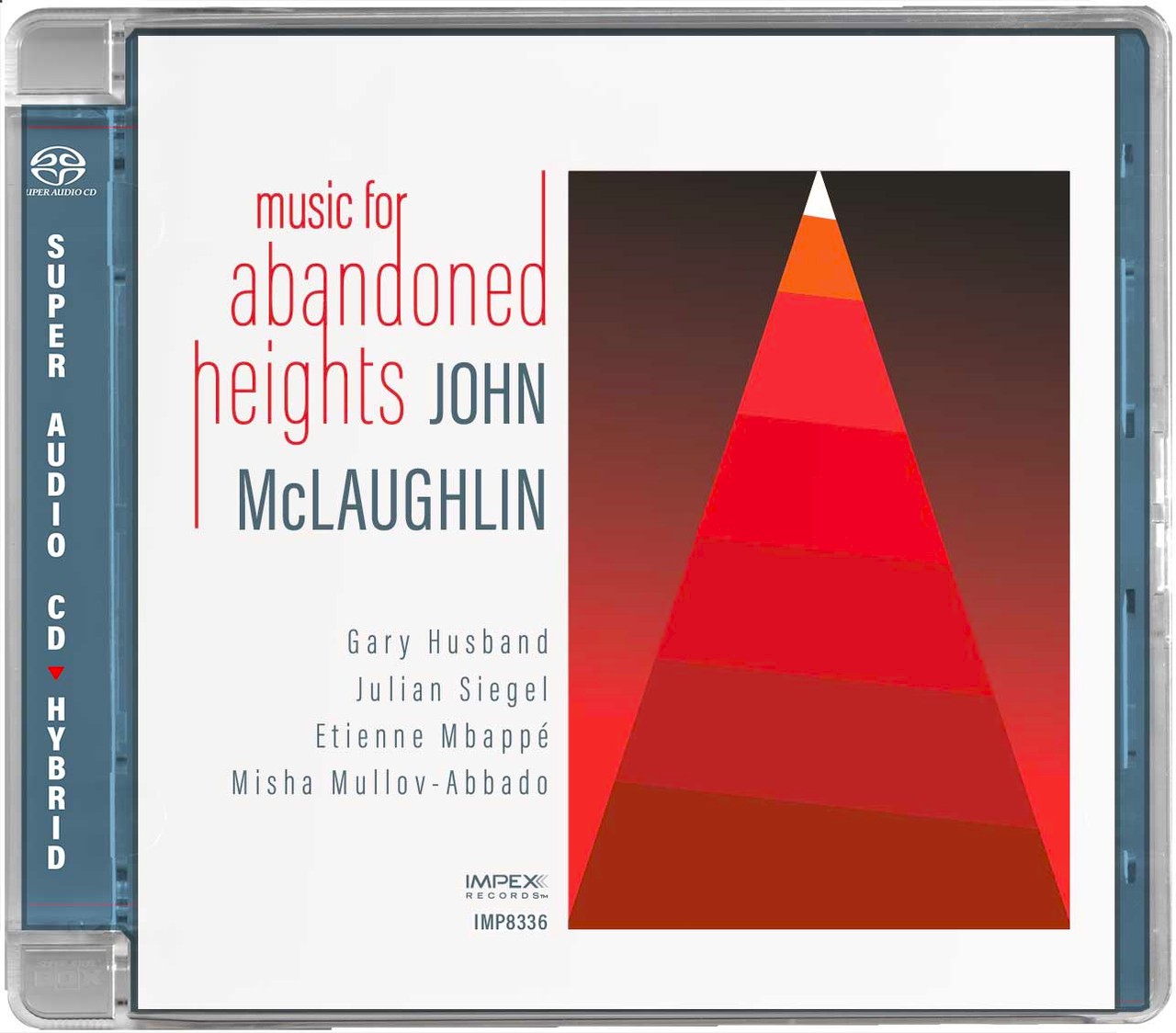
I received both the LP and SACD for review, and there are notable track sequence differences between them, with the SACD featuring a pair of extra tracks that don't appear on the LP. "Christine" (which was the first tune McLaughlin composed for the film) is a mellifluous synth-guitar ballad with a woodwind-like effect (very reminiscent of Pat Metheny, who probably stole the style from McLaughlin), with some excellent brushwork by Husband in the background. "The Beat Goes On" is the album's most raucous tune, with a brashly rocking guitar line that could have been lifted from his performance on Jack Johnson's "Right Off." While the track sequence difference totally threw me for a loop upon first listen to each format, I'm certain it has something to do with the timing limitations of the 33 rpm LP sides, or possibly that the track sequence on the higher-capacity SACD more accurately reflects the flow of the film. I find that the music still flows very nicely regardless of the alternate sequencing.
Music For Abandoned Heights has supplanted most everything else in my music rotation!
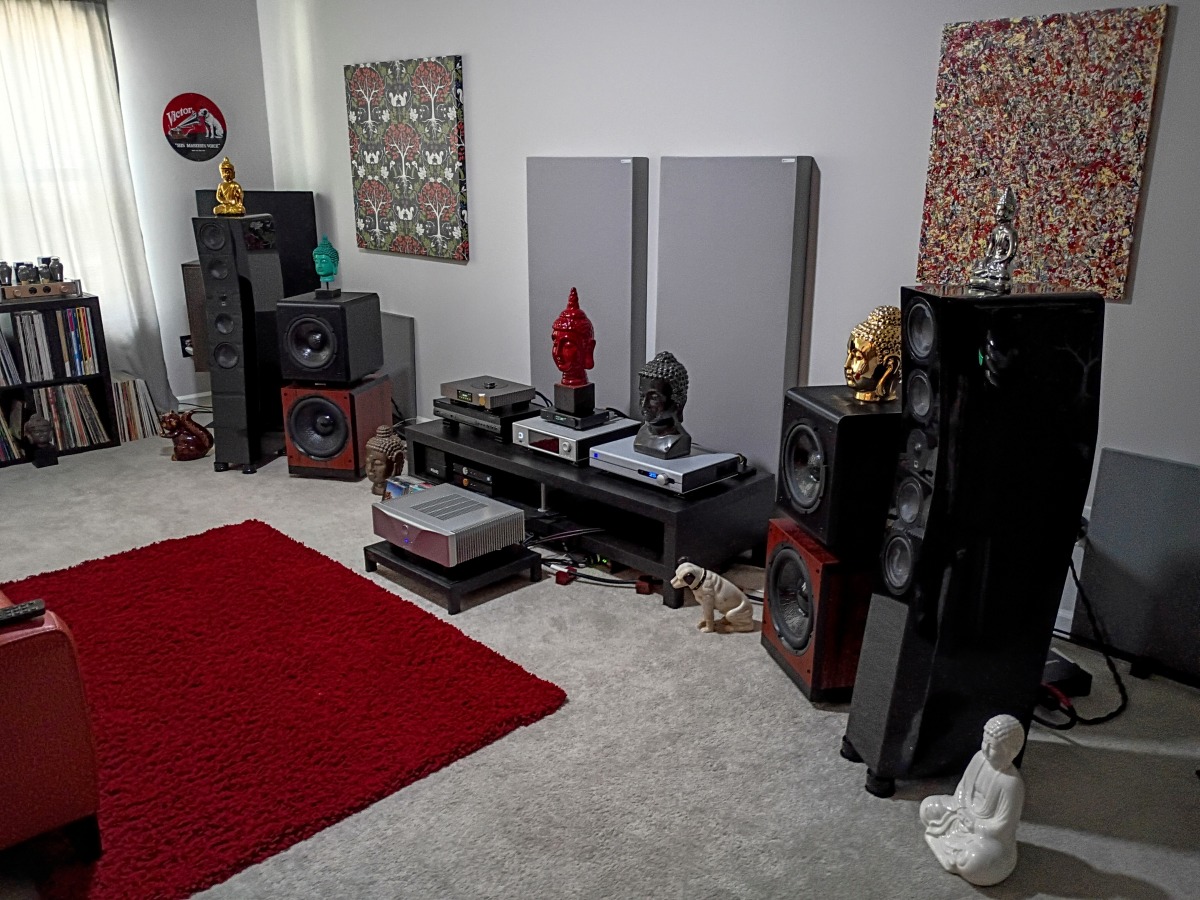
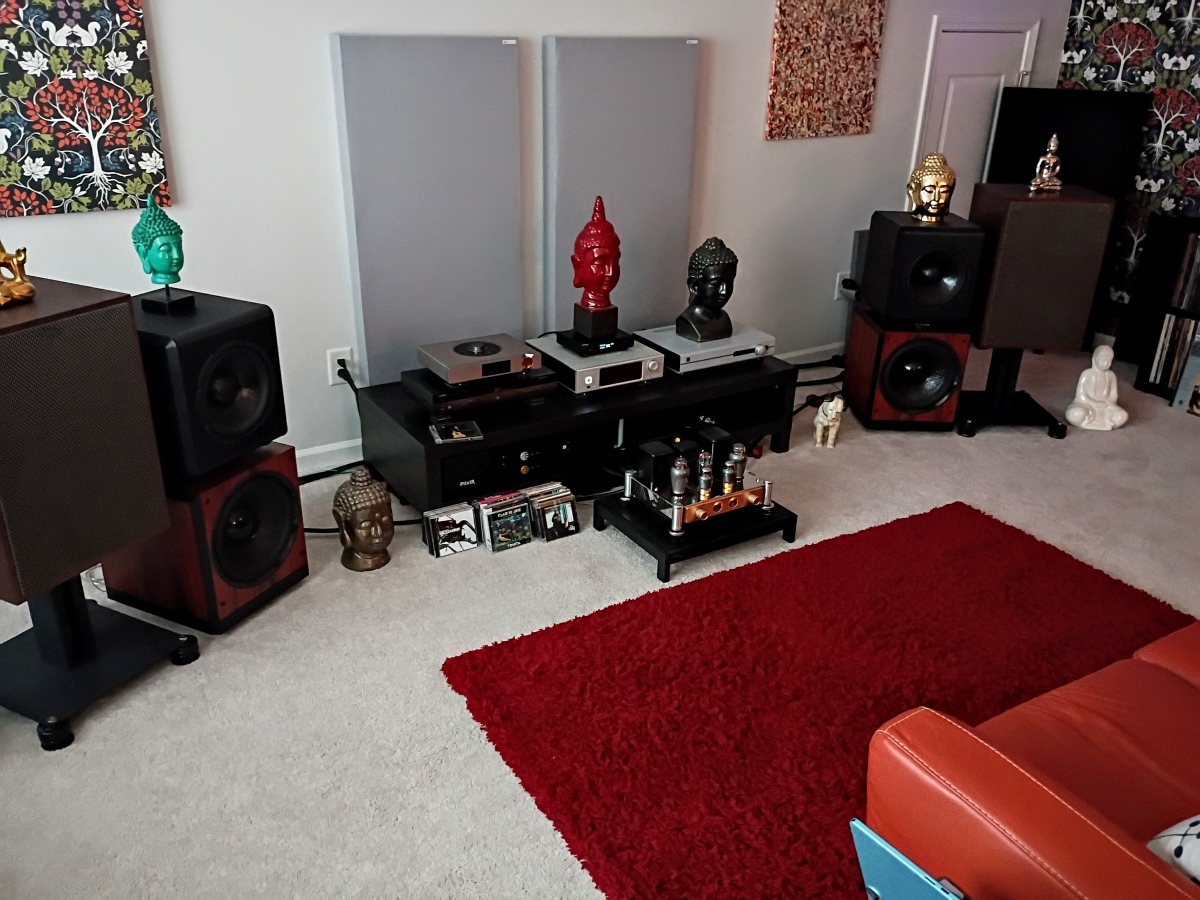
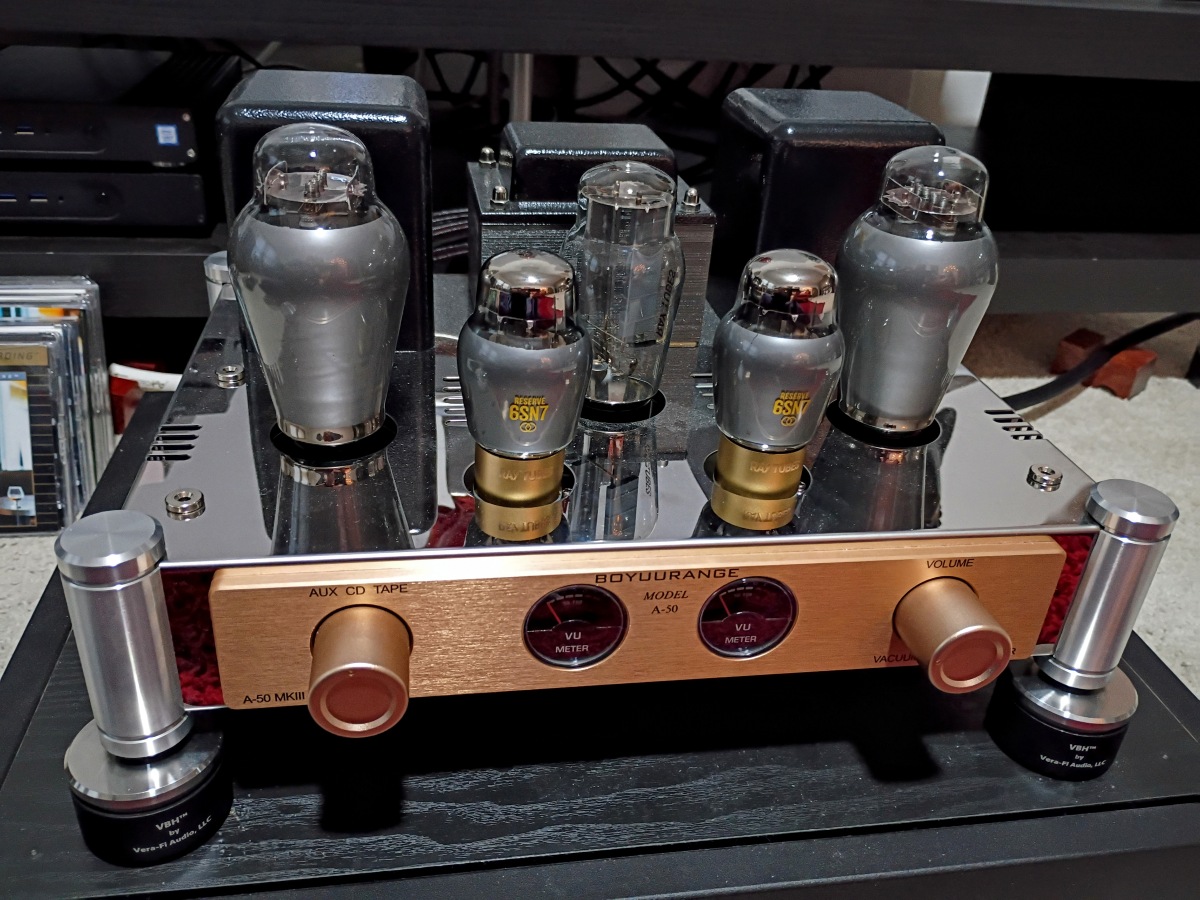
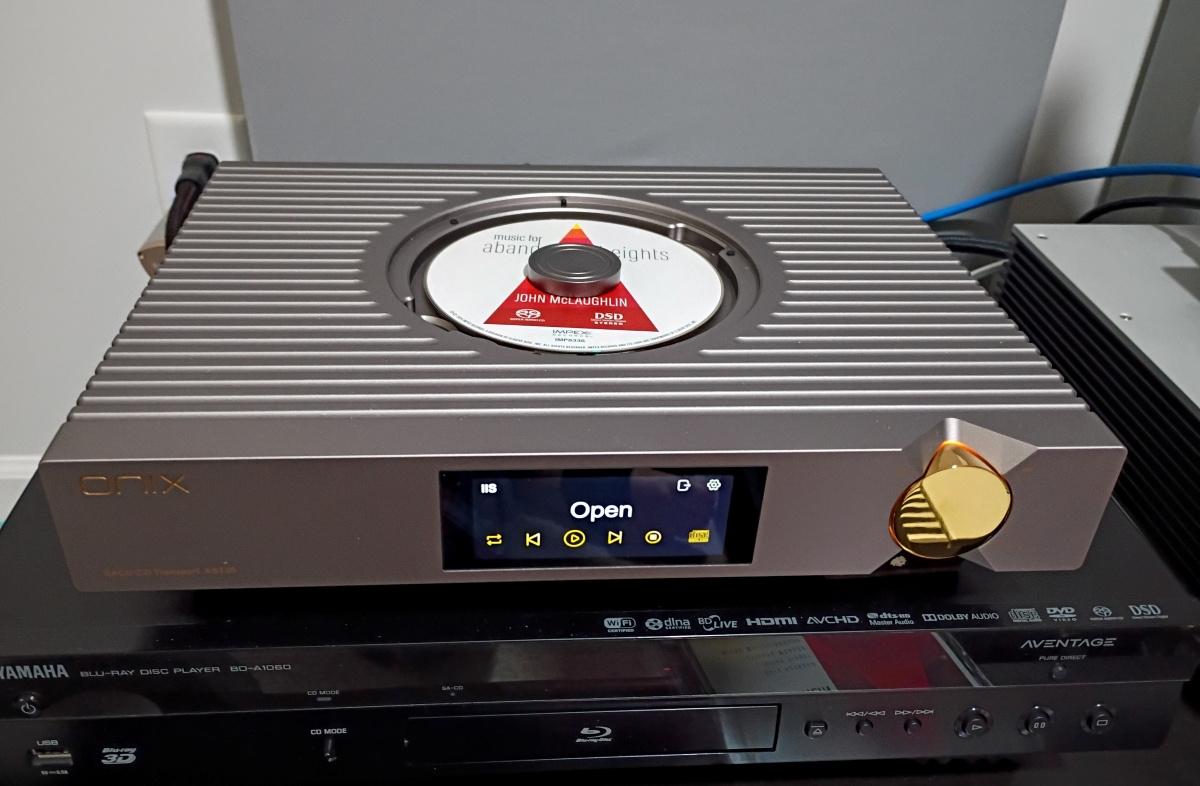
My listening sessions for Music For Abandoned Heights were split fairly evenly between the LP and SACD, and I've recently upgraded and revamped my listening room layout. Such that now both digital and analog sources occupy the same room, which greatly simplified accessing them for comparison listening. You can click on my name in the header to see the system's complement of equipment, but one item of note is the recent arrival of the Onix Zenith XST20 SACD transport, which (despite a few quirks) lifts SACD playback to an appreciably elevated level of goodness! I honestly had a difficult time establishing a preference between Impex's equally superb LP and SACD, and the sound quality from each was nothing short of incredible! And the performances by John McLaughlin and his crack cast of supporting musicians is next-level—Music For Abandoned Heights offers colorful depictions of the film's action that flows seamlessly, whether from LP or SACD.
The HQ-180 gram LP from RTI was about as close to perfection as it gets, with perfectly flat sides and no appreciable surface or groove noise. Both LP and SACD versions offered a superb representation of the recorded acoustic, with the players all clearly delineated in the wide and deep soundstage. Music For Abandoned Heights ticked every box for me in terms of providing an emotional connection to the music, with tracks that run the gamut from impassioned, mellifluous poignancy to thrillingly dynamic, all-out jazz-rock fusion.
Final impressions
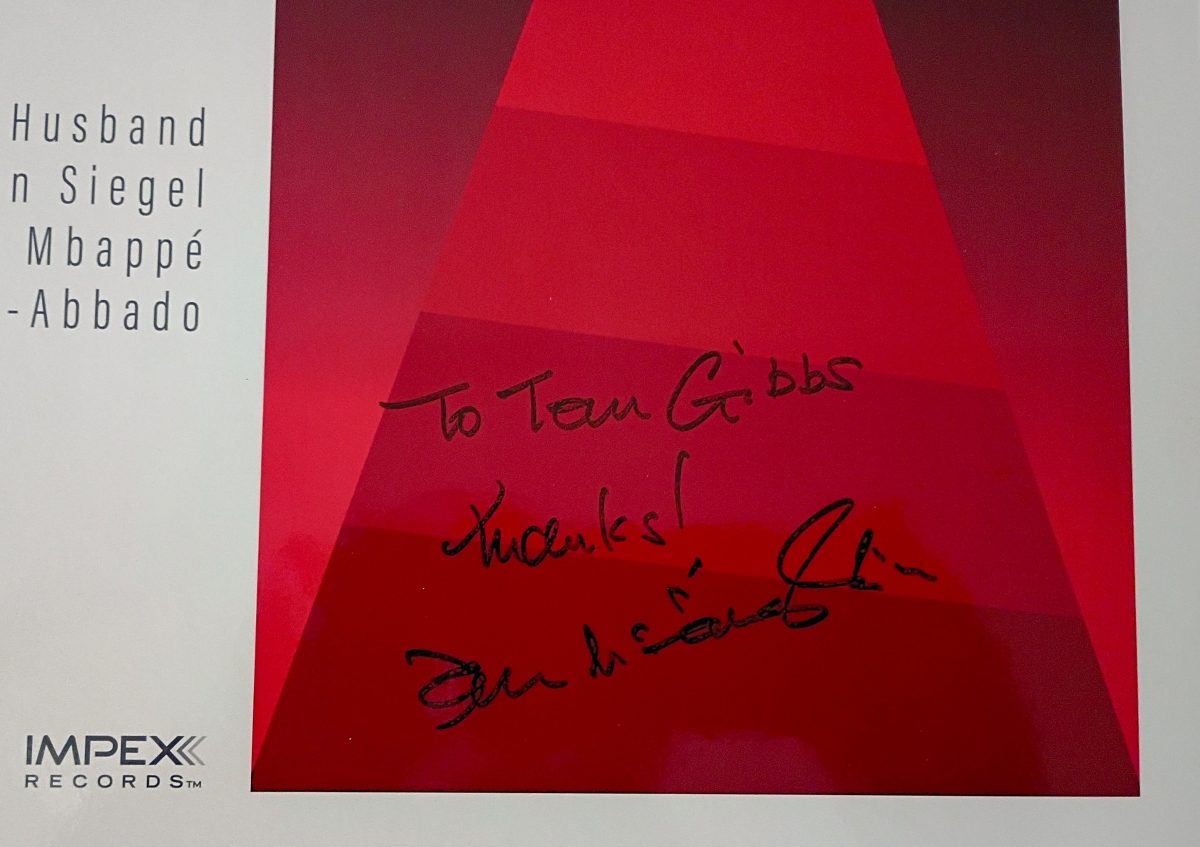
When Abey Fonn of Impex Records reached out to me well in advance of this release, I was excited beyond belief—but at the same time, had mixed expectations regarding John McLaughlin at this stage in his career. Regardless of any misgivings, every new release from Impex is rarely anything less than a celebration, and on Music For Abandoned Heights, I quickly discovered that any doubts I might have had were totally unfounded. And when the package from their business partner Elusive Disc arrived in early December, I thought I might be having a coronary embolism while inspecting its contents. More like a near-fatal heart attack—when I pulled the LP from the package and realized that it had been personalized to me, signed by John McLaughlin, I quite nearly keeled over in complete shock! I've been worshiping the ground he walks on with serious fanboy frenzy for going on five decades now, and I'm probably going to build a holy shrine around this one album. Overnight, it definitely became my most prized possession!
Both the LP and SACD are spectacularly good-sounding, and while some audiophiles might consider its lowly 24/48 PCM beginnings somewhat questionable, Music For Abandoned Heights is a reference level recording in every respect. Personally, I have zero issues with PCM sources transitioning to LP or SACD, especially when the source tapes are as well-recorded as on this incredible album. It's been in near-constant rotation since its arrival, and repeat listens have only served to reveal previously unheard layers of detail and refinement in the recordings.
Music For Abandoned Heights is a triumph on every level, and easily proves that John McLaughlin is as totally relevant as an artist and musician now as at any point in his lengthy career. Many thanks to Abey Fonn, Impex Records, and Elusive Disc for all their assistance. Music For Abandoned Heights comes very highly recommended, regardless of whether you choose the LP or the SACD—they're equally superb!
Impex Records
Elusive Disc
All images courtesy of Impex Records, Elusive Disc, and the author.