

I have been waiting for the chance to hear a recording made in Bert van der Wolf's new High Street Studio in Heerewaarden, Netherlands—a performance hall and recording studio inside a converted church. Bert has described this building as an incredible find with wonderful acoustics. In the conversion process, those inherently excellent acoustics have been further enhanced by extensive and flexible sound treatment to allow the sonics to be optimized for the instruments to be played.
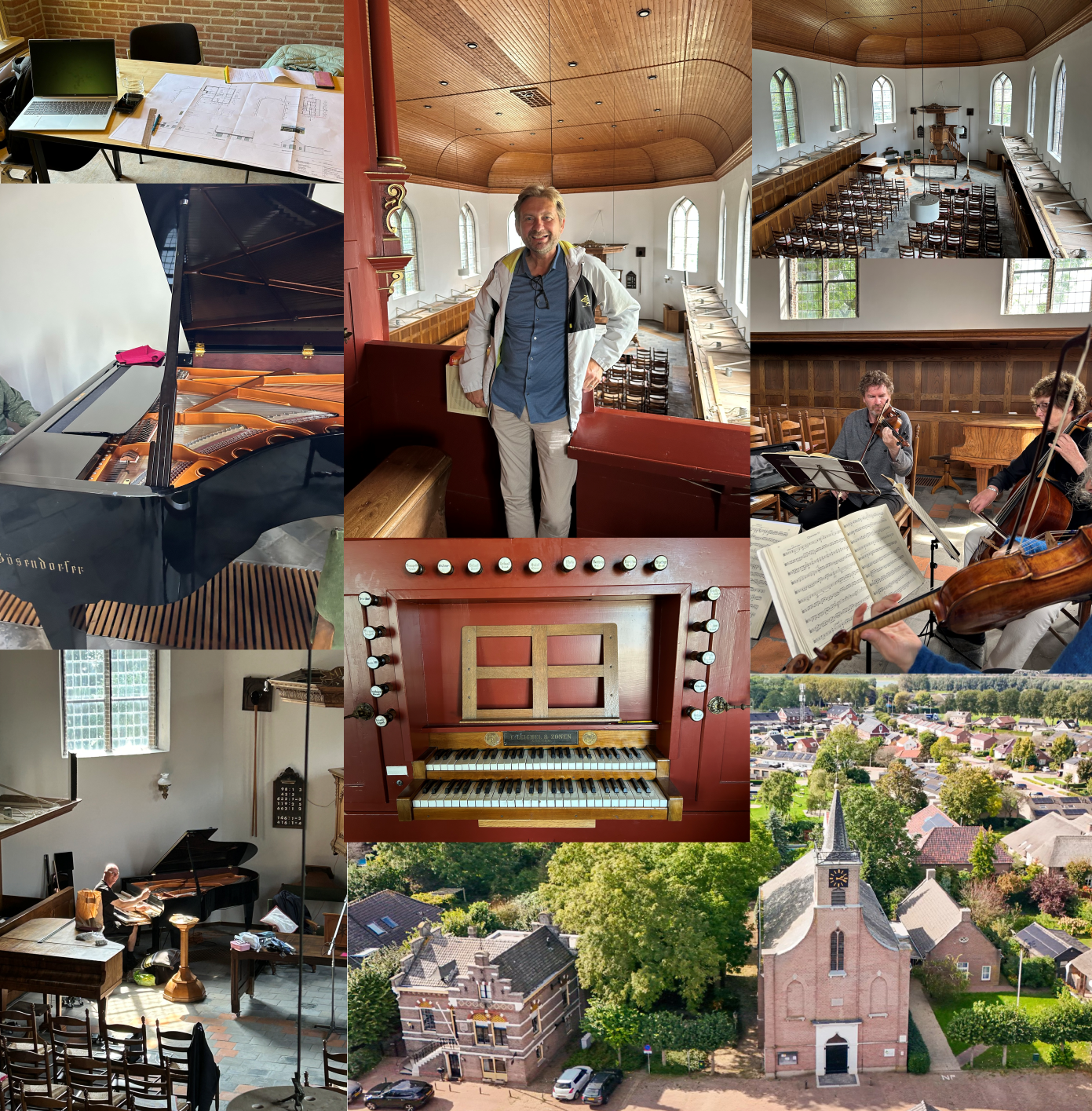
Early in the conversion process, pianist Dora Deliyska, a Bösendorfer Klavier recording artist, came from Vienna to experience the new space. She was so excited that she arranged for Bösendorfer Klavier Manufaktur to sponsor a brand new 230 VC grand piano (Vienna Concert) for the recordings she wanted to make with Bert in this space.
And of this inaugural recording session, Bert writes enthusiastically: "Hearing the first sounds coming from the microphones in our new studio, was one of the most exciting experiences one can imagine! It immediately exceeded the highest expectations, really and quickly it became clear that something magic happened in this place. The clear, yet very rich acoustic and the deafening silence of this environment are simply ideal for making acoustic recordings..."
I wrote about this new venture back in July 2025 in my article Creating a Dedicated Recording and Performance Space at High Street Studio, Heerewaarden, Holland (HERE). That article contains background on the project, finding the location, and making plans to turn it into a true performance venue that could host concerts as well as a dedicated recording studio for both Bert's projects and for projects of other recording teams who may wish to use the space. But, the test is truly hearing this first recording in this space, and it is to this first recording we should now turn.
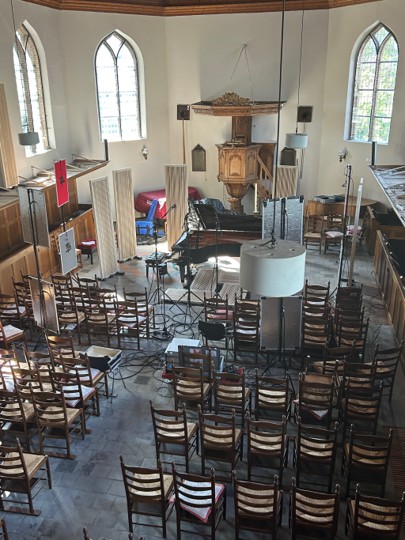
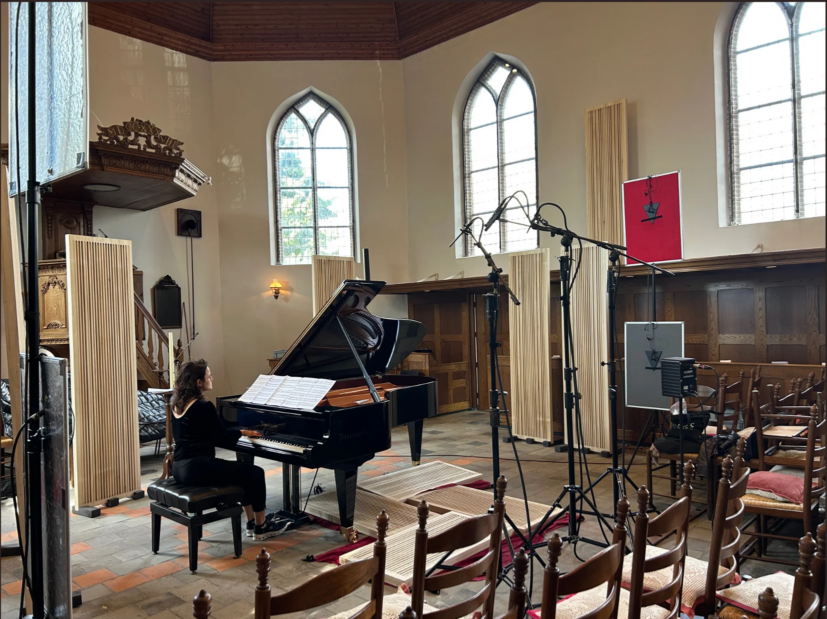
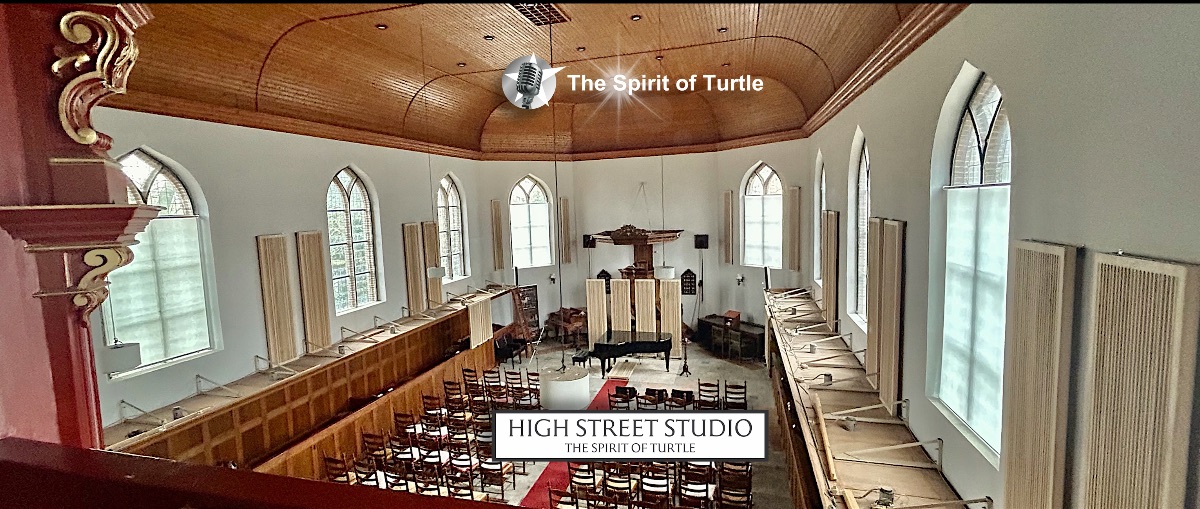
High Street Studio, Heerewaarden, Netherlands
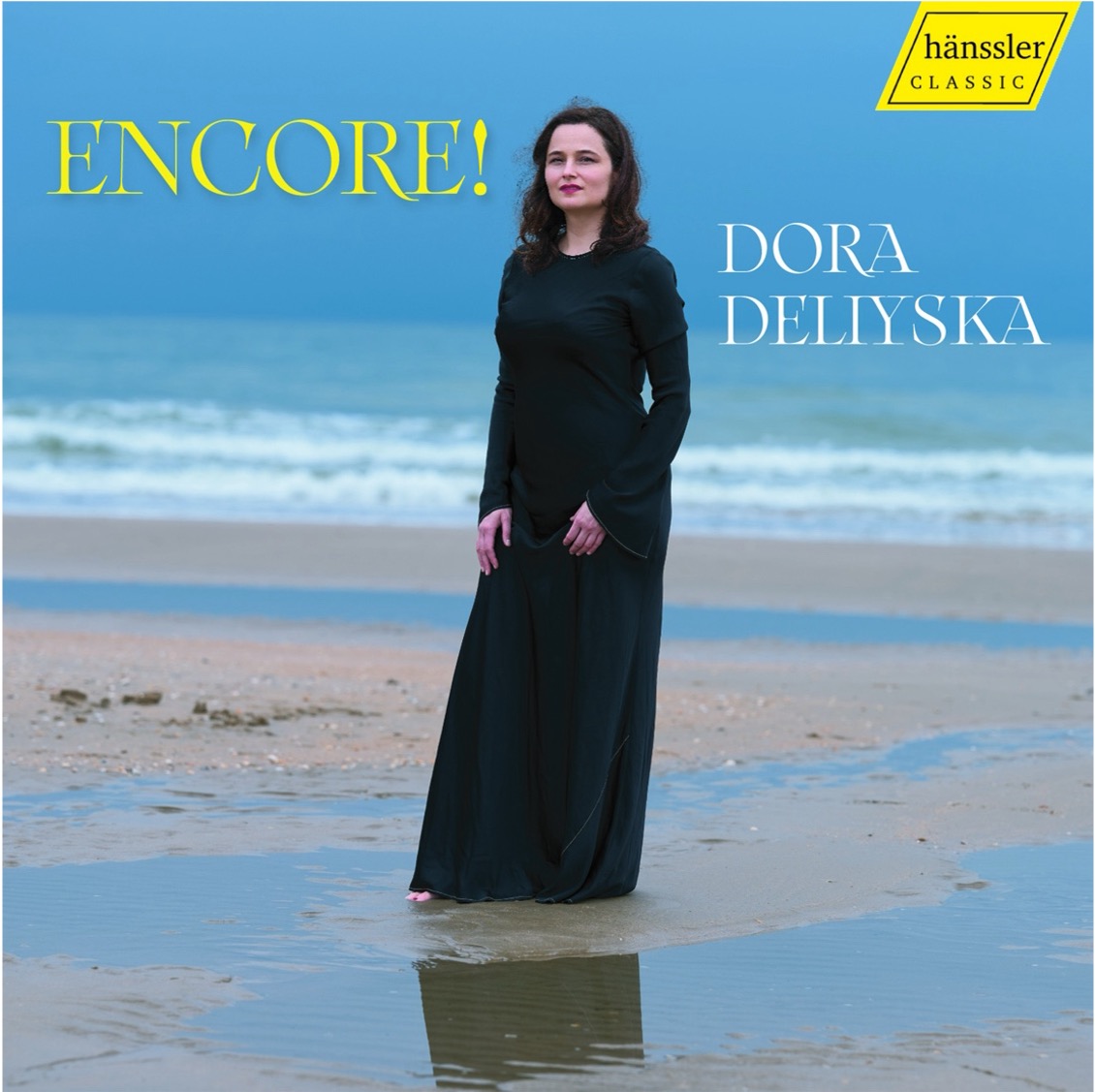
Encore! Dora Deliyska (piano). Hanssler Classic | Northstar Recording 2026 (DXD, DSD256, Stereo, MCh, Immersive) HERE
The program of this album consist of an eclectic set of encores. Pianist Dora Deliyska writes: "An encore occurs in the space between sound and silence. At the end of a concert, at the moment when the audience’s emotions have attained their zenith, suddenly another piece begins to play—unexpected, unpredictable and surprising! The audience is overwhelmed with a renewed and intense emotional energy, and it is precisely this moment of conjecture that gives the encore its own particular potency."
It is that energy, that "particular potency," which Deliyska brings to this recital.
The album opens with Liszt's arrangement for piano of Schubert's Gretchen am Spinnrade S.558 NO.8 D.118. This is among the most celebrated of Liszt's Schubert transcriptions. It is a work both technically demanding and highly expressive requiring immense control to deliver delicate voicing so the melody sings above the spinning figuration, evenness in rapid repetitive patterns, and the ability to shape long dramatic arcs while maintaining the mechanical motion underneath. Deliyska accomplishes all of this brilliantly.
Regarding her decision to begin with this work, Deliyska says, "My intention was to establish an emotional rapport with the audience right from the start, while at the same time opening up a space in which they could examine their own feelings." And she does so—expectations are set, promises made.
With this piece the opening third of the album continues with a group of works by Franz Schubert. These pieces provide a lyrical and introspective prelude for what will come next.
The central section shifts toward quiet contemplation with works by J. S. Bach and Arvo Pärt. Here Deliyska's focus is on color, resonance, and pianissimo nuance—an exploration of delicate tonal shading.
The final section turns to the more familiar world of virtuosic encore repertoire. Highlights include works such as Liebestraum No. 3 by Liszt, Liebesleid in the transcription by Rachmaninoff, the Tardecita Pampeana by Piazzolla. Interspersed are lively pieces by Turkish composer and pianist Fazıl Say (b. 1970) and the modern jazz crossover interpretation of Mozart's Rondo alla Turca known as Alla Turca Jazz, Op. 5b. These are selections of brilliance and energy.
With the final encore piece, the Toccata by French composer and pianist Pierre Sancan (1916-2008), the album conclude in the spirit of the traditional encore: virtuosic and emotionally impactful.
Does an album comprised entire of encores become repetitive or boring? No. Definitely not in the hands of Dora Deliyska. She is known for designing conceptual recital programs, often linking pieces through thematic or harmonic relationships rather than chronology. And this program is immensely successful to my ears. And to my delight!
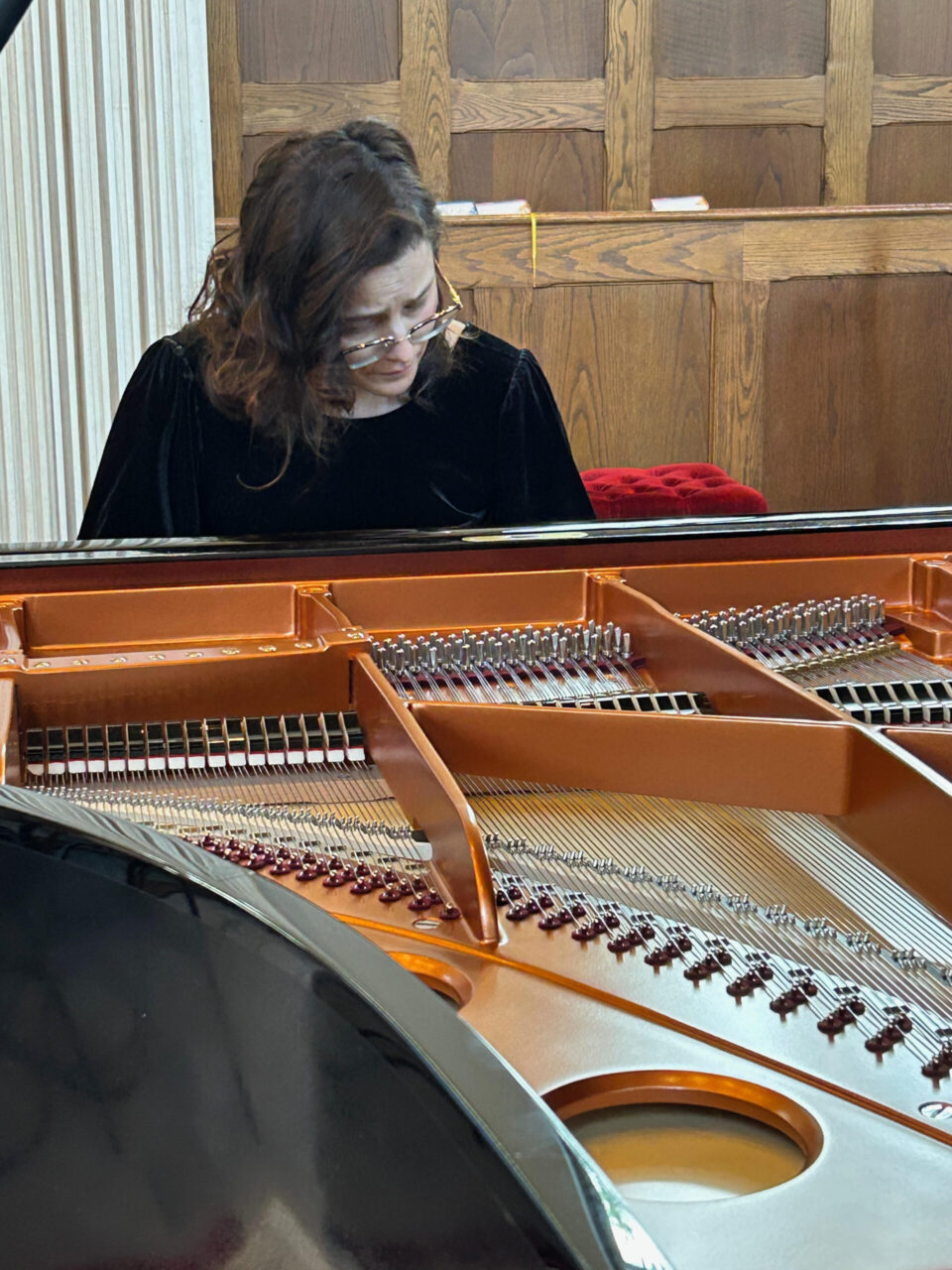
Dora Deliyska at High Street Studio
So, what can be said about the sound quality to be heard from High Street Studio?
Ah, luscious, truly luscious. The sound that Bert captures of this excellent Bösendorfer grand piano is resonant, richly filled with harmonic overtones, and with a naturalness that makes one sit up and pay attention. The natural acoustic of High Street Studio is readily apparent as the sound of the piano fills the space. Bert's capture of the timbre and reverberation of acoustic instruments is always immensely convincing, and this is utterly so.
This new recording venue is graciously spacious, and the sound of the piano in this space is utterly clear and transparent. Notes expand with the space needed to fully develop their overtones, dynamics are unconstrained, softness and delicacy captured with ease. It is as complementary a venue as any I hear in traversals of other excellent recordings.
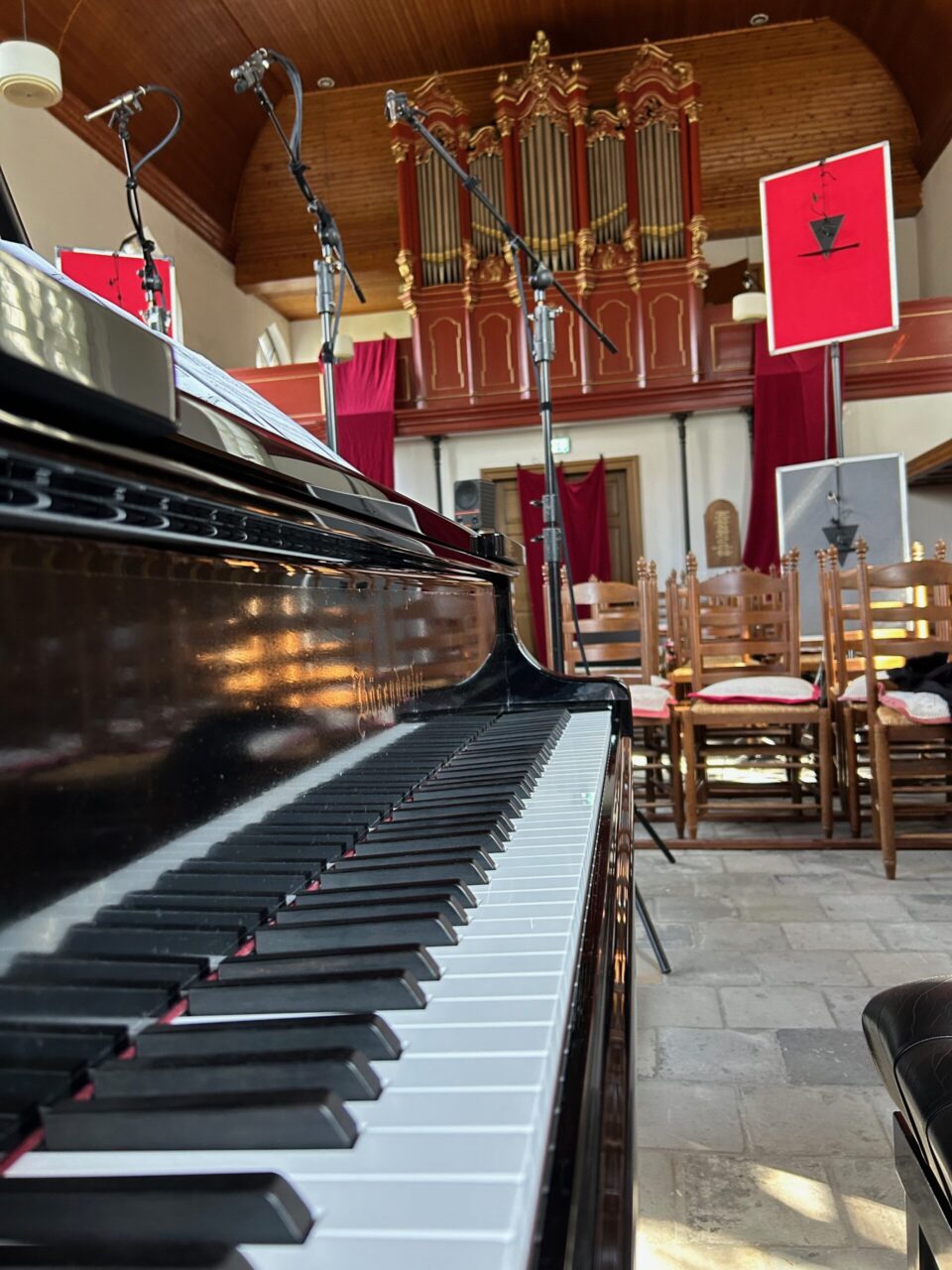
Images courtesy of Bert van der Wolf and Northstar Recording Services