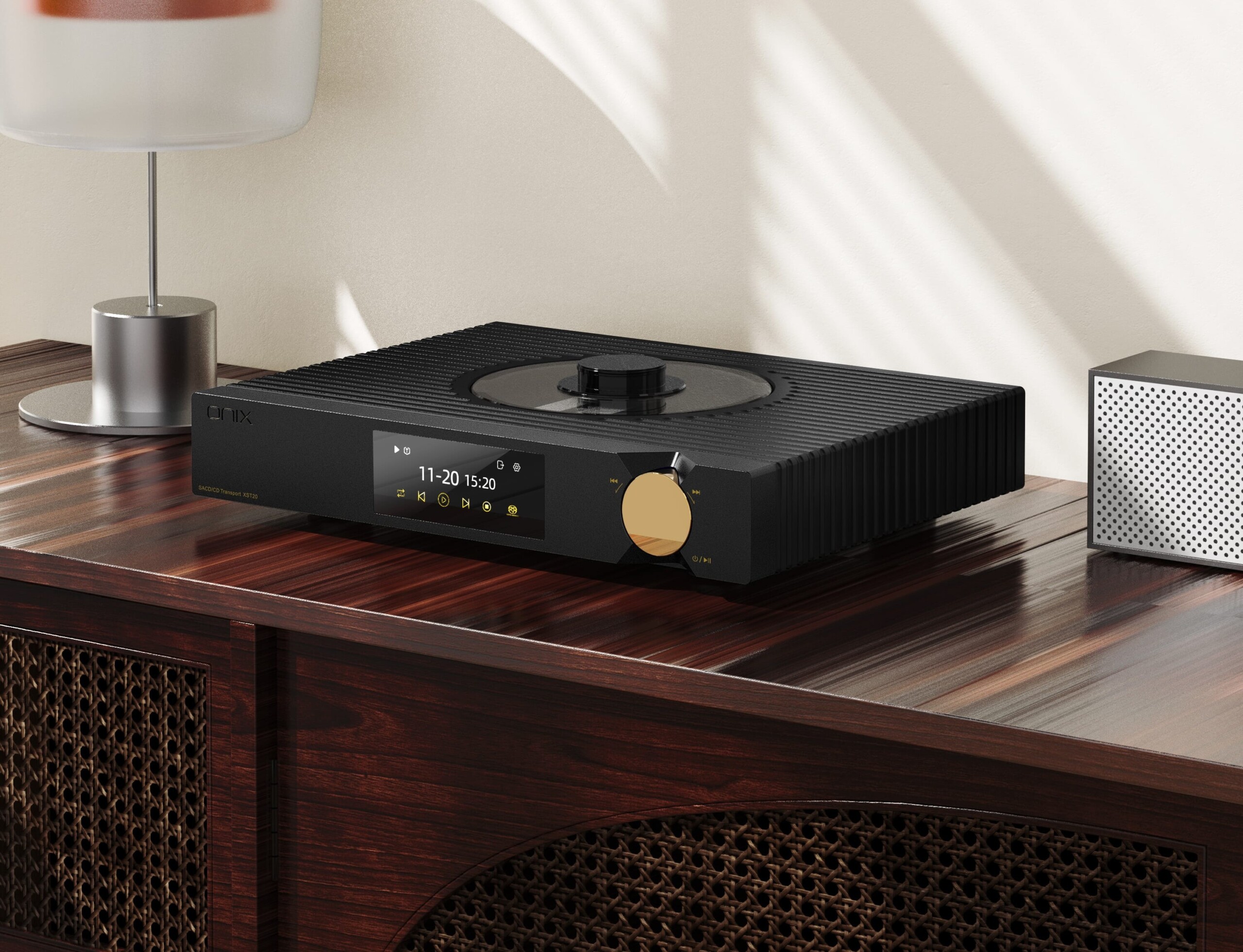
Flashback to October 1982: the Compact Disc had just been unveiled in Japan to great fanfare, and the era of Perfect Sound Forever was suddenly upon audiophiles and music lovers worldwide. All the audio mags went totally gaga, and in six short months, CD made its way to North America with the first available consumer compact disc player, Sony's CDP-101. The CPD-101's $1000 MSRP was a bit rich for my blood—not to mention my wallet. In today's dollars, it was the equivalent of nearly $3500—which was roughly the value of my entire system at the time. Perfect Sound Forever was obviously going to cost me some serious cash, and I eventually worked late nights at a second job to fund my new obsession. I was definitely all in!
However, all was not well on the CD front, and many of my shiny little discs sounded surprisingly flat and lackluster across the JVC deck I eventually bought—that puzzled me greatly. The audio media began to pick up on this as well, and there was a particularly intense discussion surrounding the poor sound quality and inferior mastering of Donald Fagen's solo album The Nightfly—and it did indeed sound terrible! Many of my favorite albums were finally being released on CD, but also suffered from substandard playback; Perfect Sound Forever—whatever! Fortunately, companies like Audio Alchemy introduced affordable new gadgets like the DTI (Digital Transmission Interface) and DAC-in-the-Box, which radically enhanced CD sound quality. Regardless, Compact Disc playback for me remained a fairly mixed bag; in retrospect, the problem was a mixture of shoddily mastered early discs and less-than-stellar consumer-level digital hardware.
By the time SACD arrived in 2002, my home system had evolved to a higher level of resolution, and DSD playback offered significant improvements over CDs. But tepid consumer support for SACD soon relegated it to niche status, and around 2010, I began transitioning to a digital music server model. And the rips of all my spinning digital discs sounded soooo much better streamed from a dedicated server in combination with a newer-generation DAC. About the only time I ever spun a digital disc was in my car or as I ripped one to the server. I even went for several years with no digital disc playback of any kind after a friend accidentally smashed my Oppo universal player. Sad day, but the Oppo was rarely used anyway!
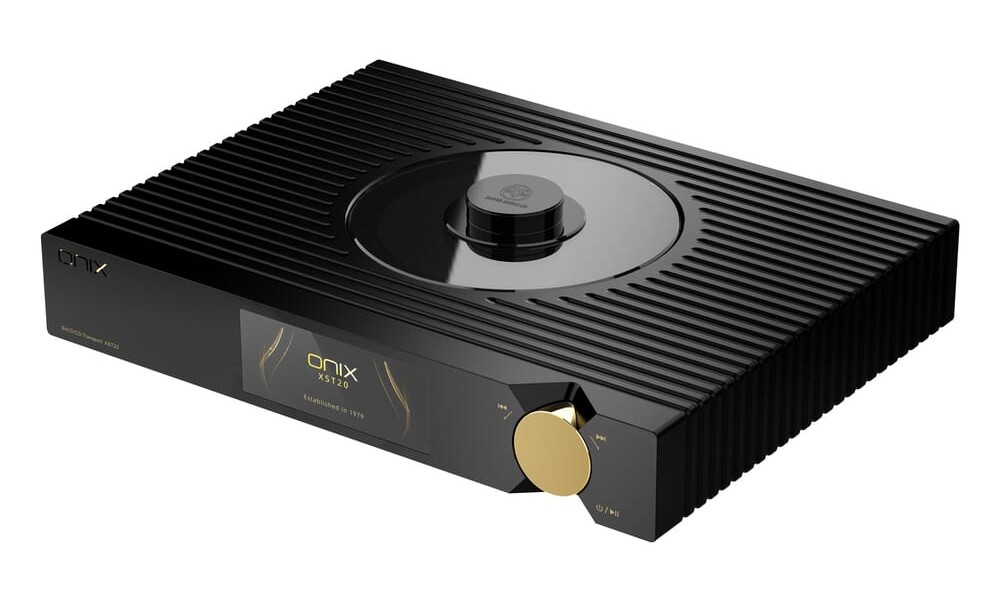
The Onix Zenith XST20 transport lands on my radar—and then on my doorstep
I'd begun seeing the Onix Zenith XST20 transport in emails and ads from Music Direct with increasing frequency, and was definitely intrigued—especially by its ability to stream a native DSD signal from a transported SACD directly to the DAC of your choice. Following the unfortunate incident with the Oppo unit, I eventually acquired a new universal player, a Yamaha; it's great, but doesn't strike me as the final word in resolution with anything it plays—particularly SACDs. The XST20, on the other hand, struck me as a definite cut above the no longer crowded field of available players, and some online sleuthing pointed toward Forte Distribution as their North American distributor. I quickly fired off an email introducing myself and outlining my designs on obtaining an XST20 review sample. My inquiry was answered within a day by Forte's representative, Lily Luo, and her enthusiastic response had an XST20 in my hands in a matter of days.
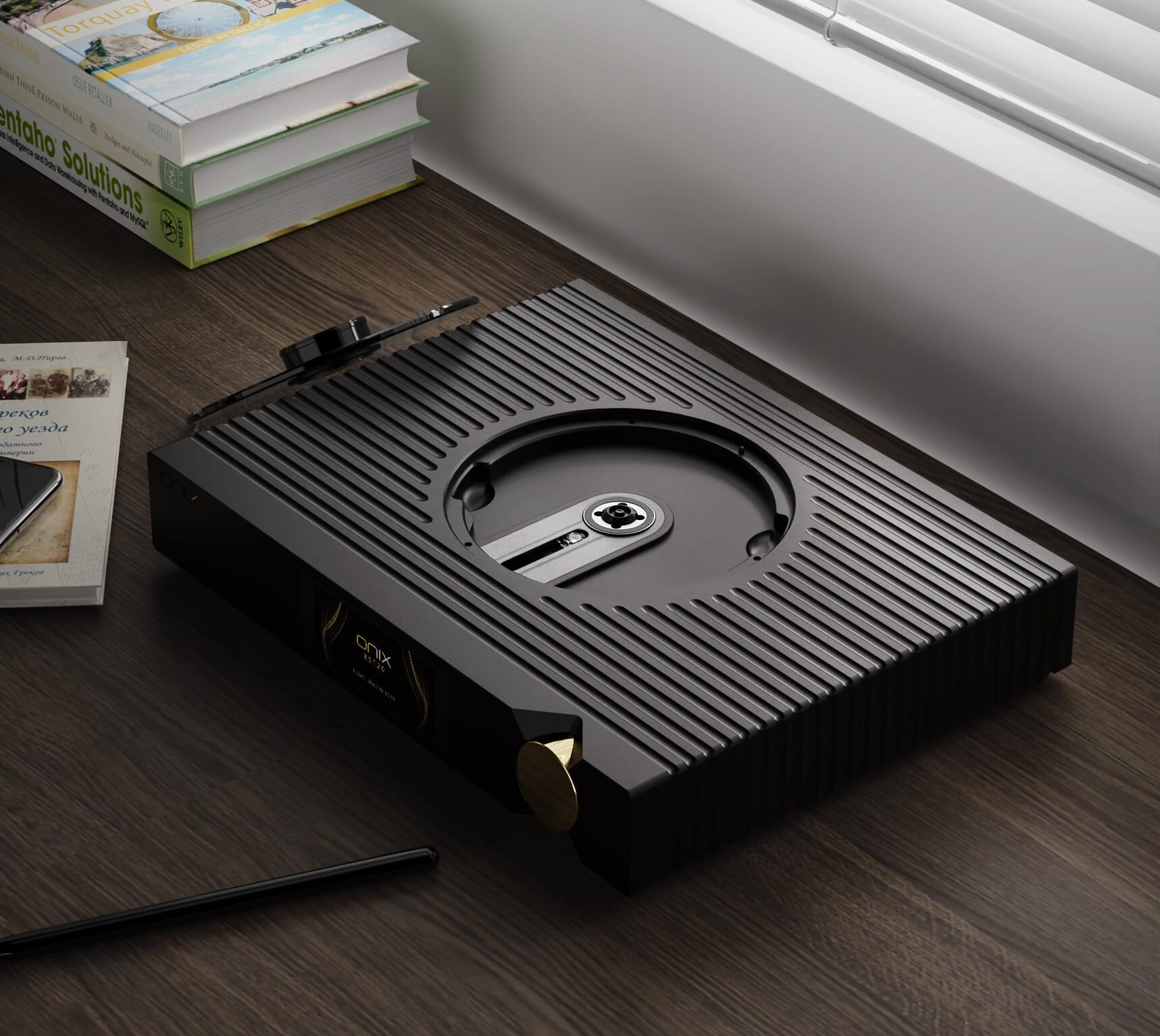
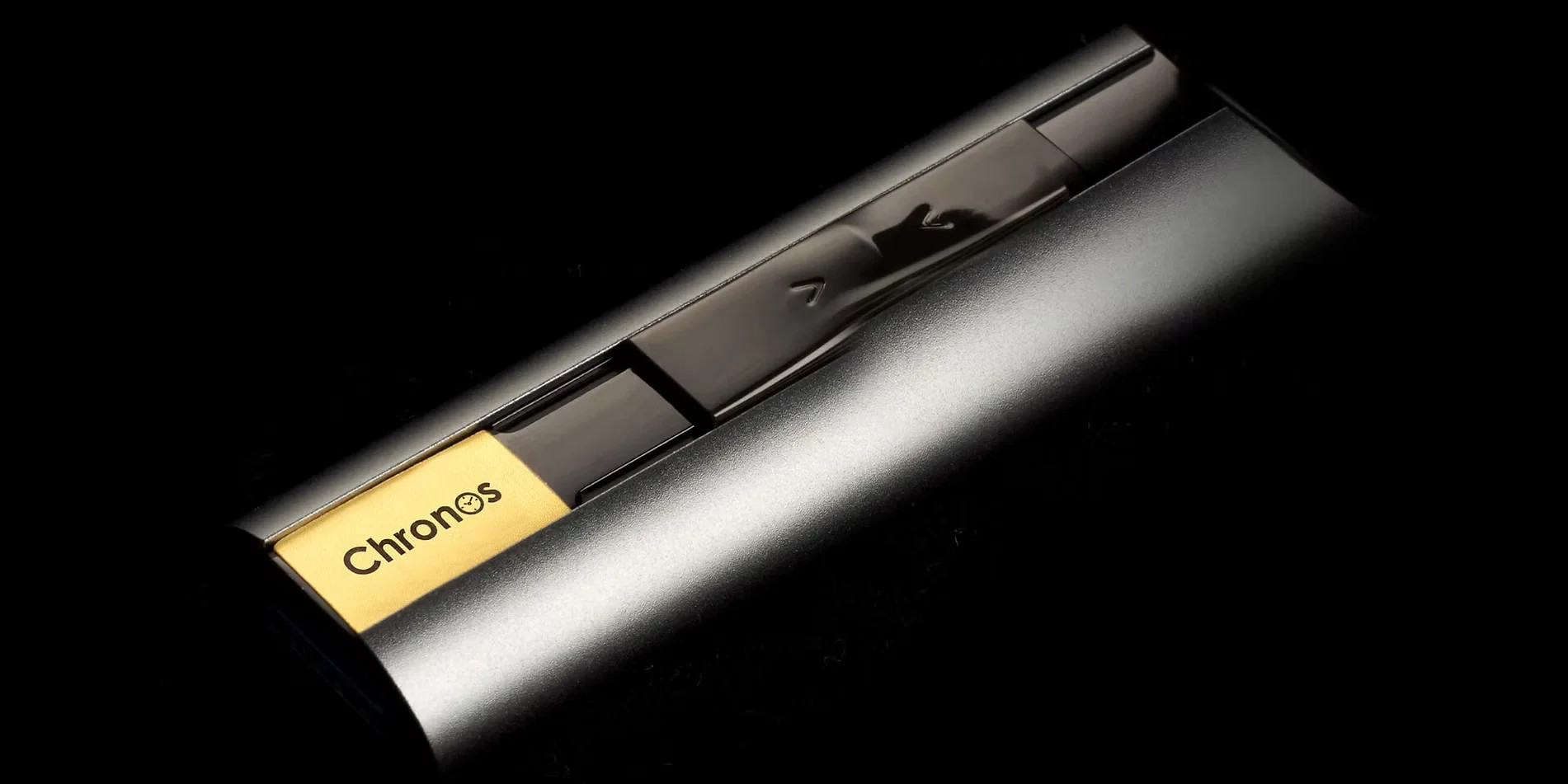
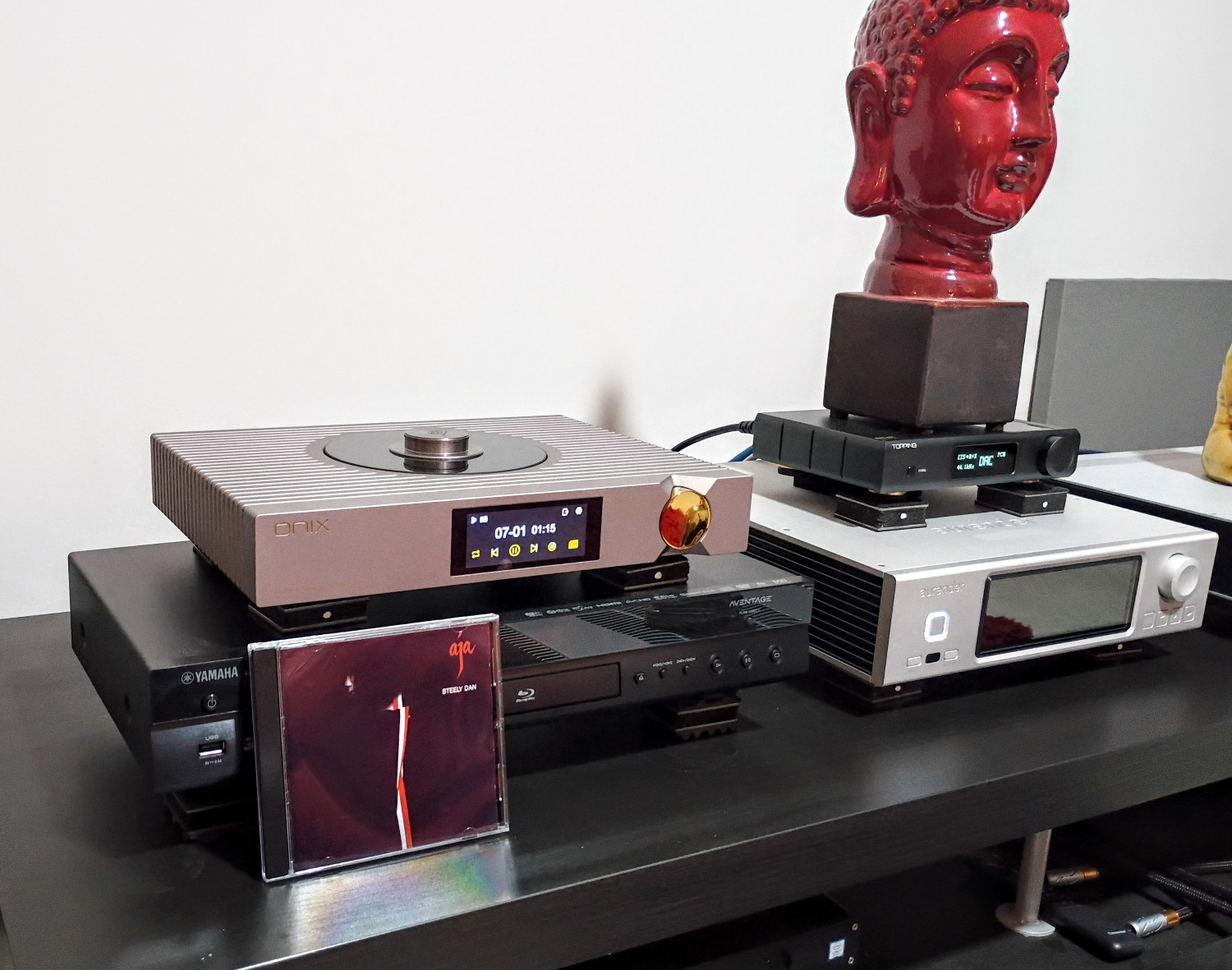
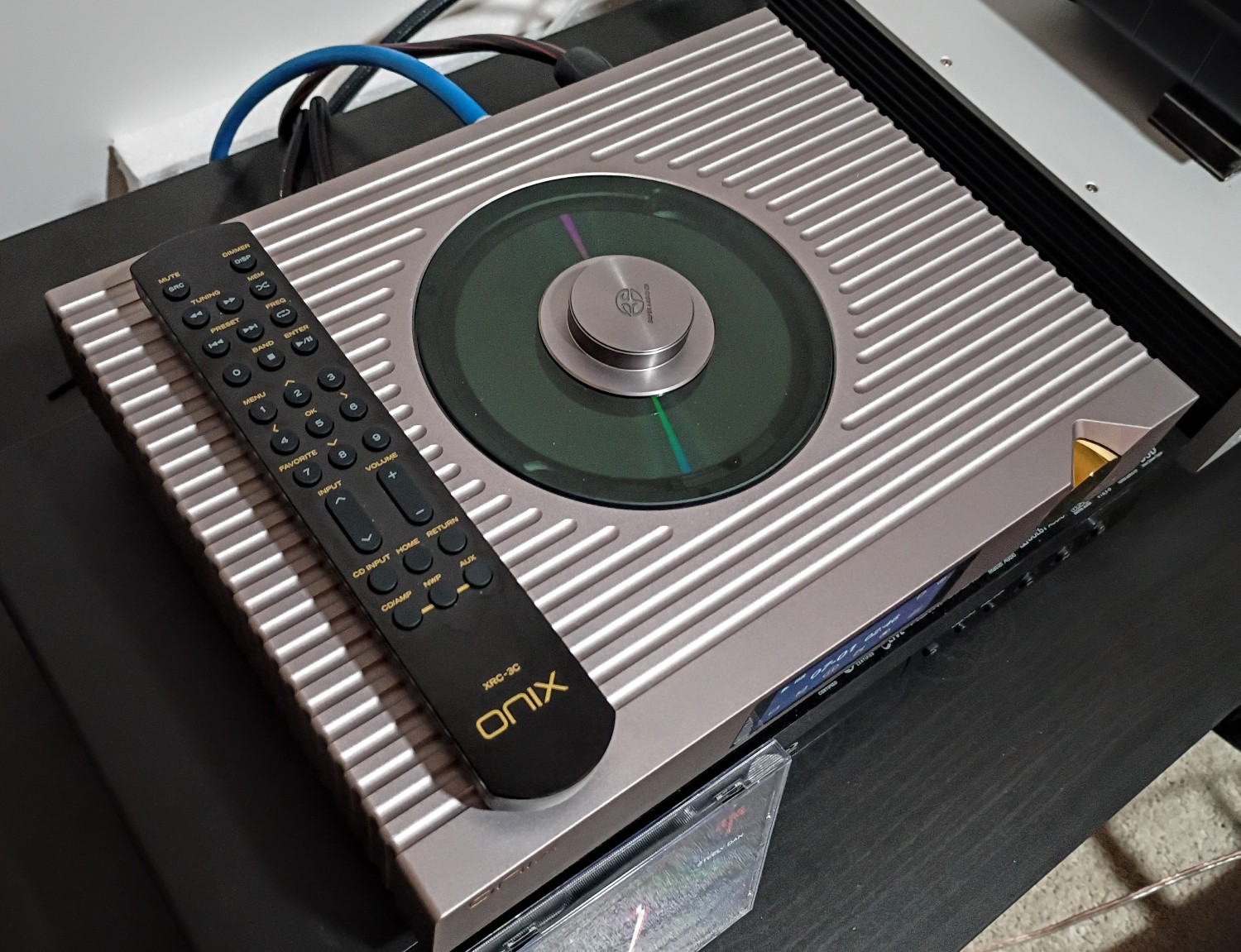
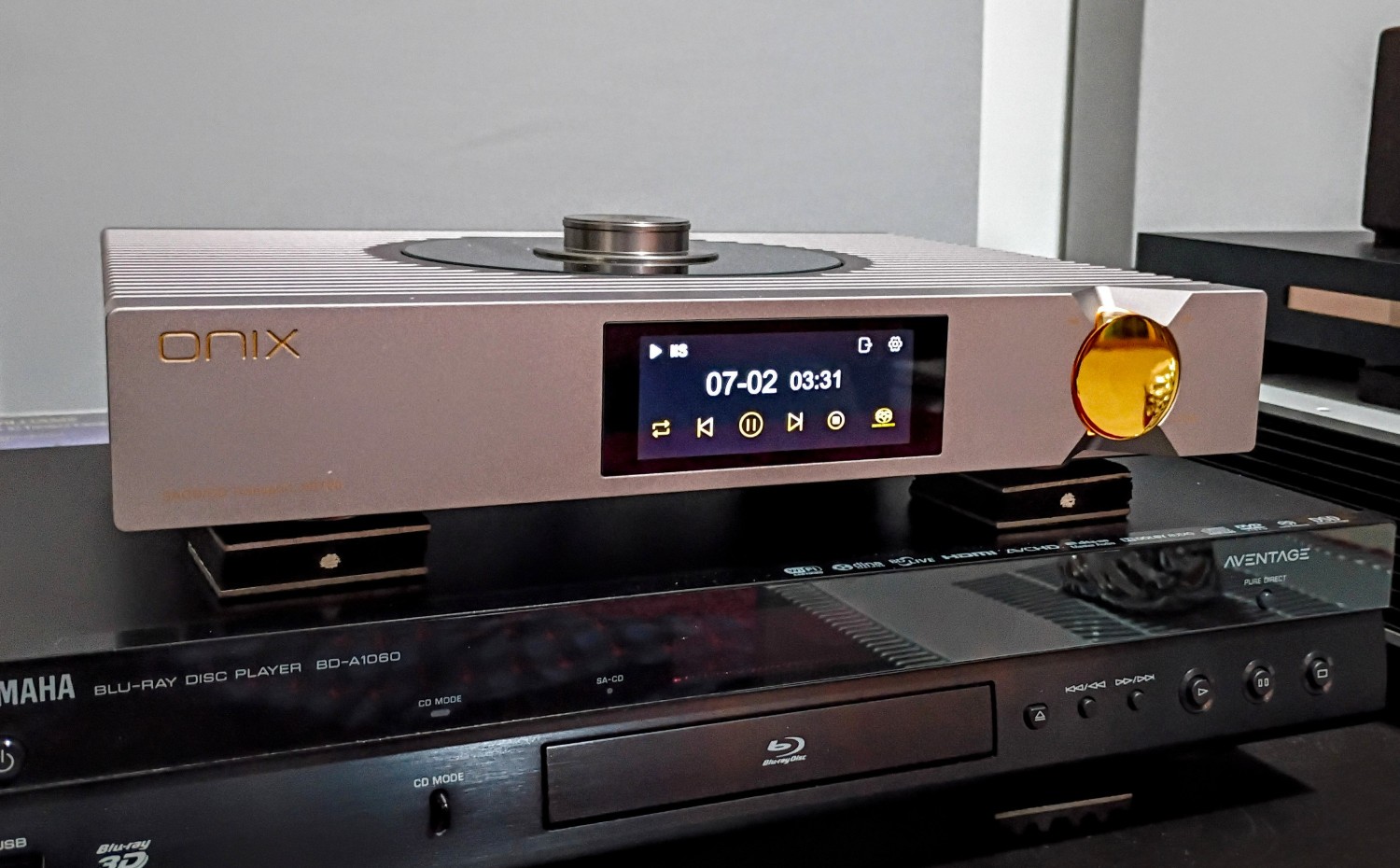
The XST20 exudes quality—while it's only a tad larger than a half-rack sized component, its heft was surprising, easily doubling that of my full-sized Yamaha player. The case is CNC machined from a solid aluminum billet, and its distinctive appearance is rather striking, especially in the limited edition titanium finish. The XST20 measures 12.59 x 9.44 x 2.83 inches and weighs 11.5 lbs. It employs a top-load design with no tray mechanism, and an elegant magnetic puck and heavy glass clamp assembly secure the disc during playback. An audiophile-grade disc drive and laser assembly are powered by a robust 25VA Talema toroidal transformer. The XST20's 3.4-inch touchscreen display allows access to menu, setup, and playback functions, all of which are duplicated on the hefty aluminum remote. The remote has a great feel, and its button layout made operation of the XST20 effortless. As the Onix Zenith is strictly a transport, you'll definitely need a great external DAC to take full advantage of this astonishingly good drive unit.
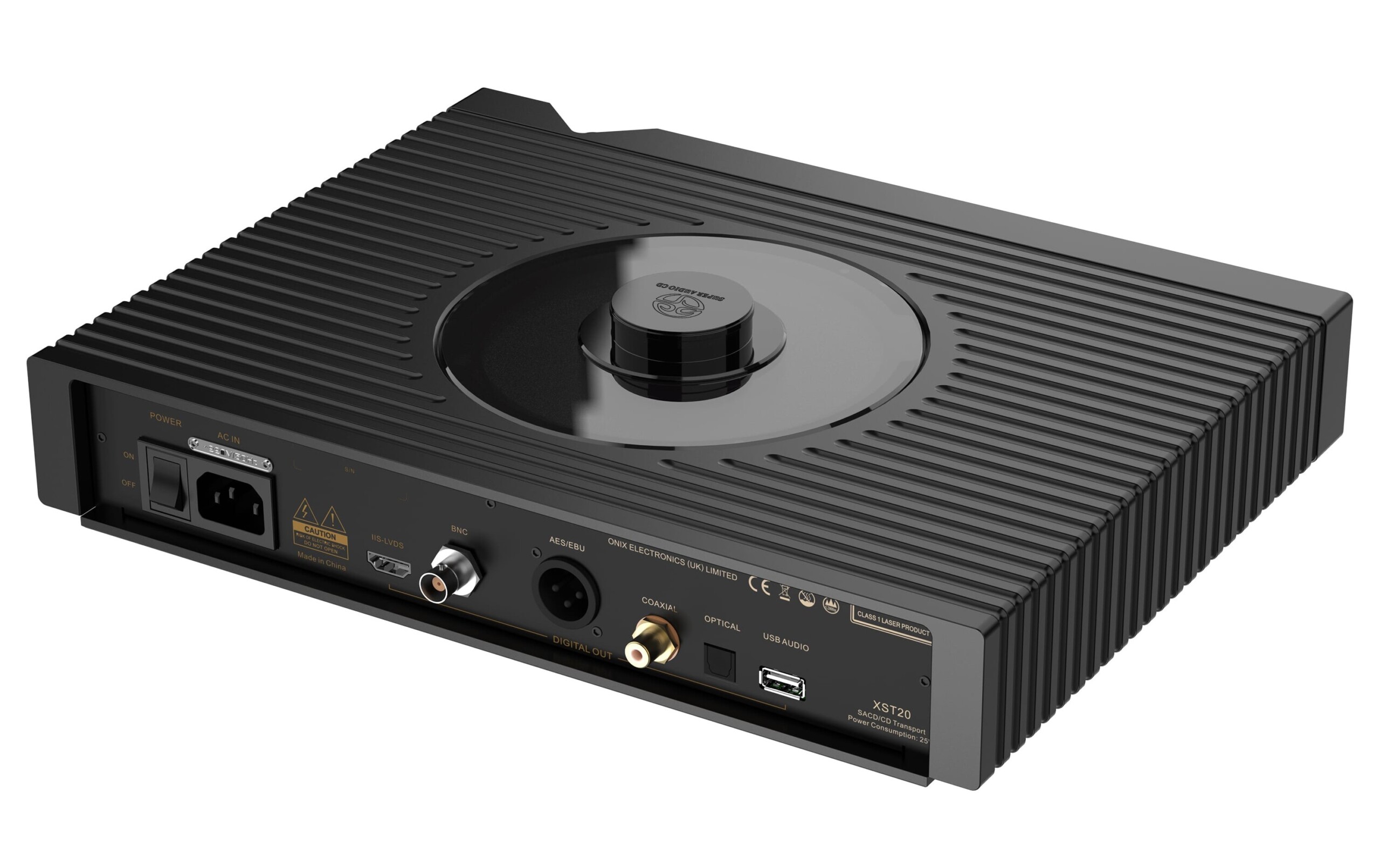
Supported disc playback formats include stereo SACDs (hybrid or single-layer), Compact Discs, CDRs, and MQA CDs. For MQA, the XST20 acts as the core decoder and handles the first unfold—an MQA-capable DAC is required to fully render the second unfold stage. The XST20 includes a multitude of digital outputs, including compatibility with i2S, USB, AES/EBU, BNC, Toslink optical, and coaxial. If you're planning on streaming DSD directly from the XST20 to your DAC, you'll need one that's i2S capable—that's the only way to get the native DSD signal to the DAC. It's possible to use the other digital outputs—with the exception of the USB output—to stream DSD via DoP or D2P to a DAC. No DSD streaming is supported via USB, but all digital outputs are fully capable of streaming 44.1 kHz PCM from CDs. As the unit is a transport only, there are no analog outputs. Onix offers a full two-year warranty with the XST20.
Of course, the biggest selling point for the Onix Zenith XST20 is its ability to stream native DSD directly to a capable DAC via i2S. Only a handful of existing players have this capability, and that's through an expensive licensing agreement with Sony—that's definitely not the case with the XST20. How Shanling/Onix accomplishes this is unclear, as the process used by the XST20 is fully proprietary, but there's significant conjecture across the web that the DSD signal is converted to PCM then reconverted to DSD. The only information I've been able to glean from Lily Luo at Forte and the Onix team is that DSD direct streaming from the XST20 requires their proprietary software/hardware combination that may-or-may-not be updatable in the future by firmware.
Setup of the XST20 and system integration
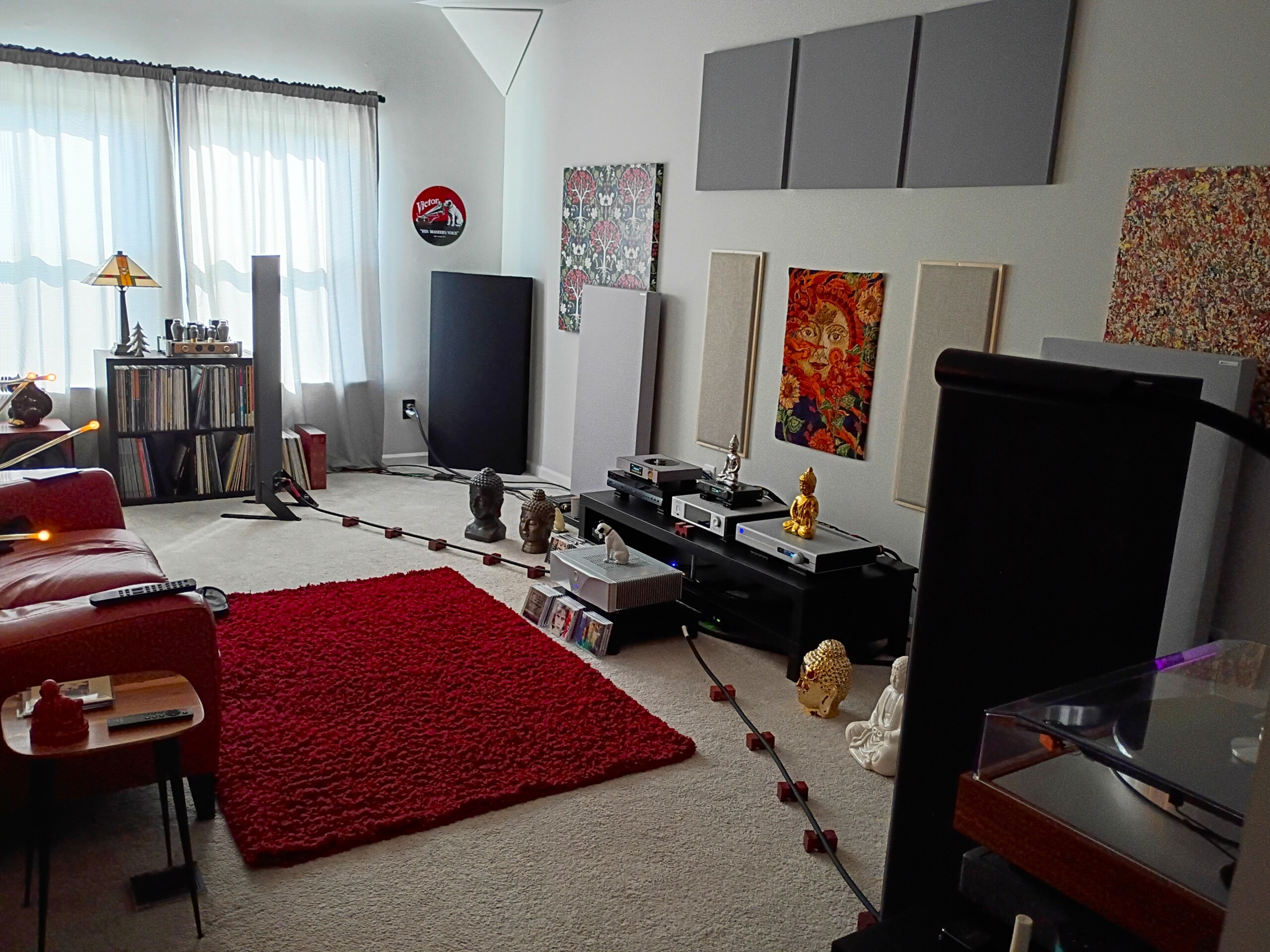
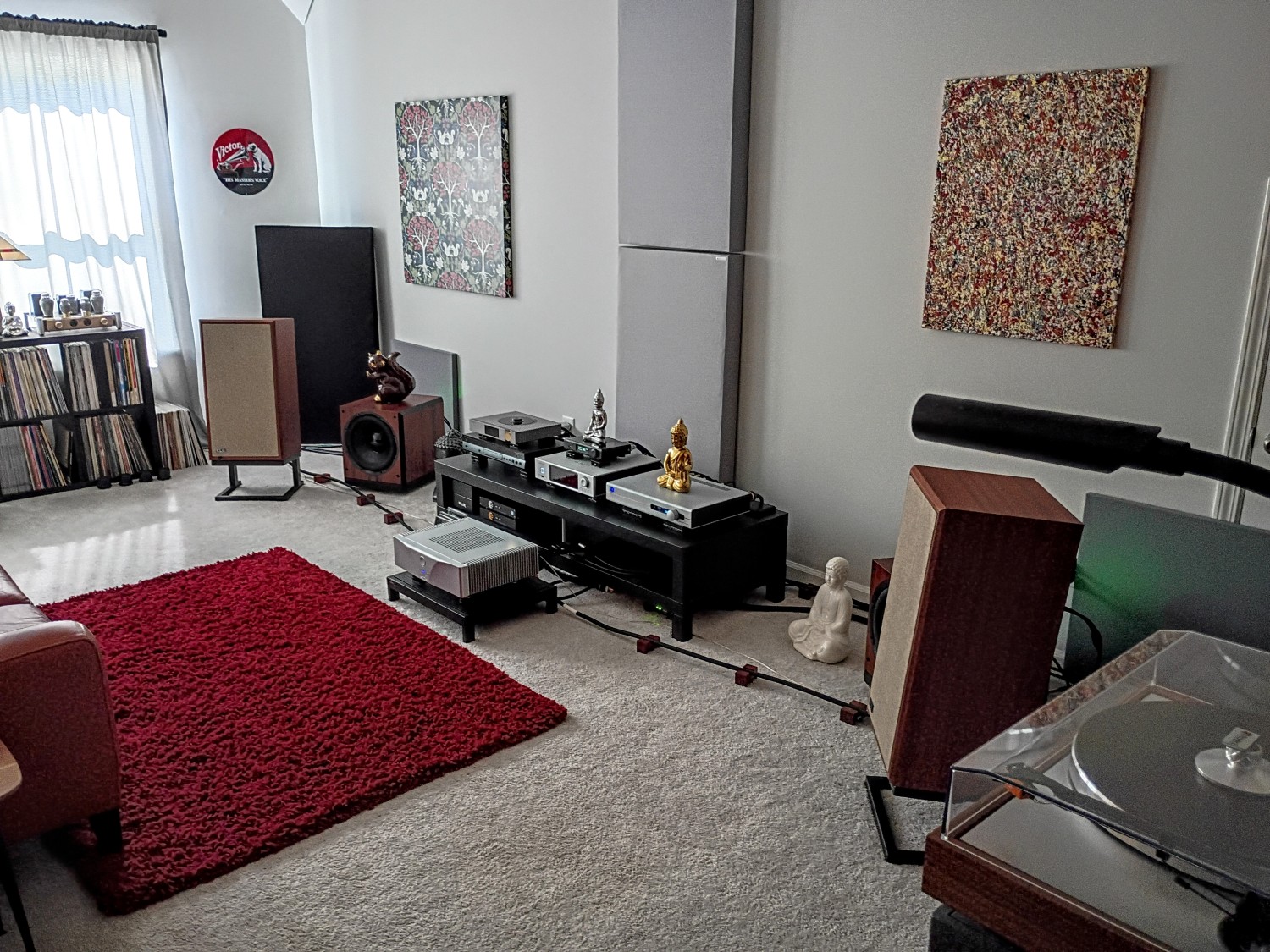
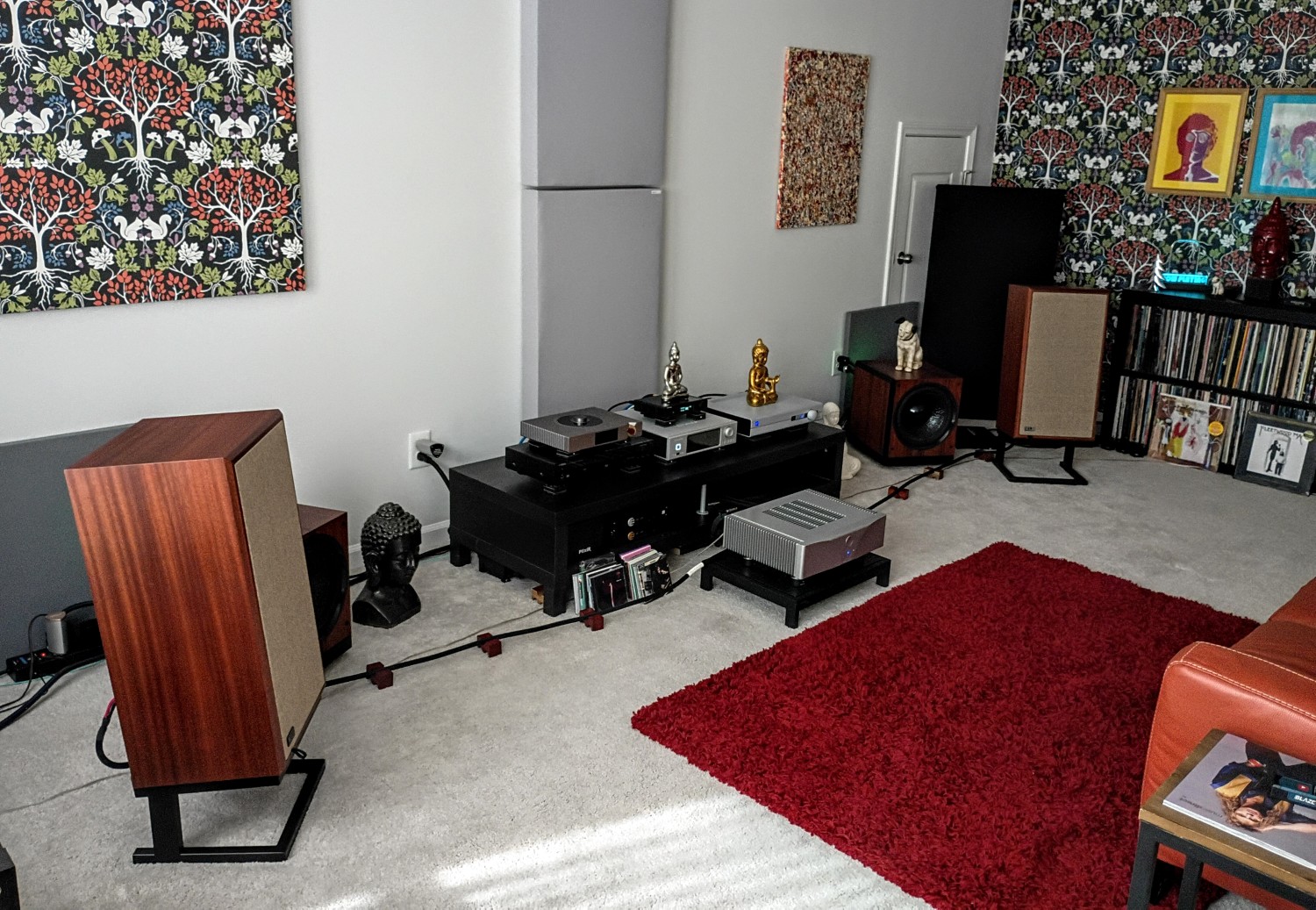
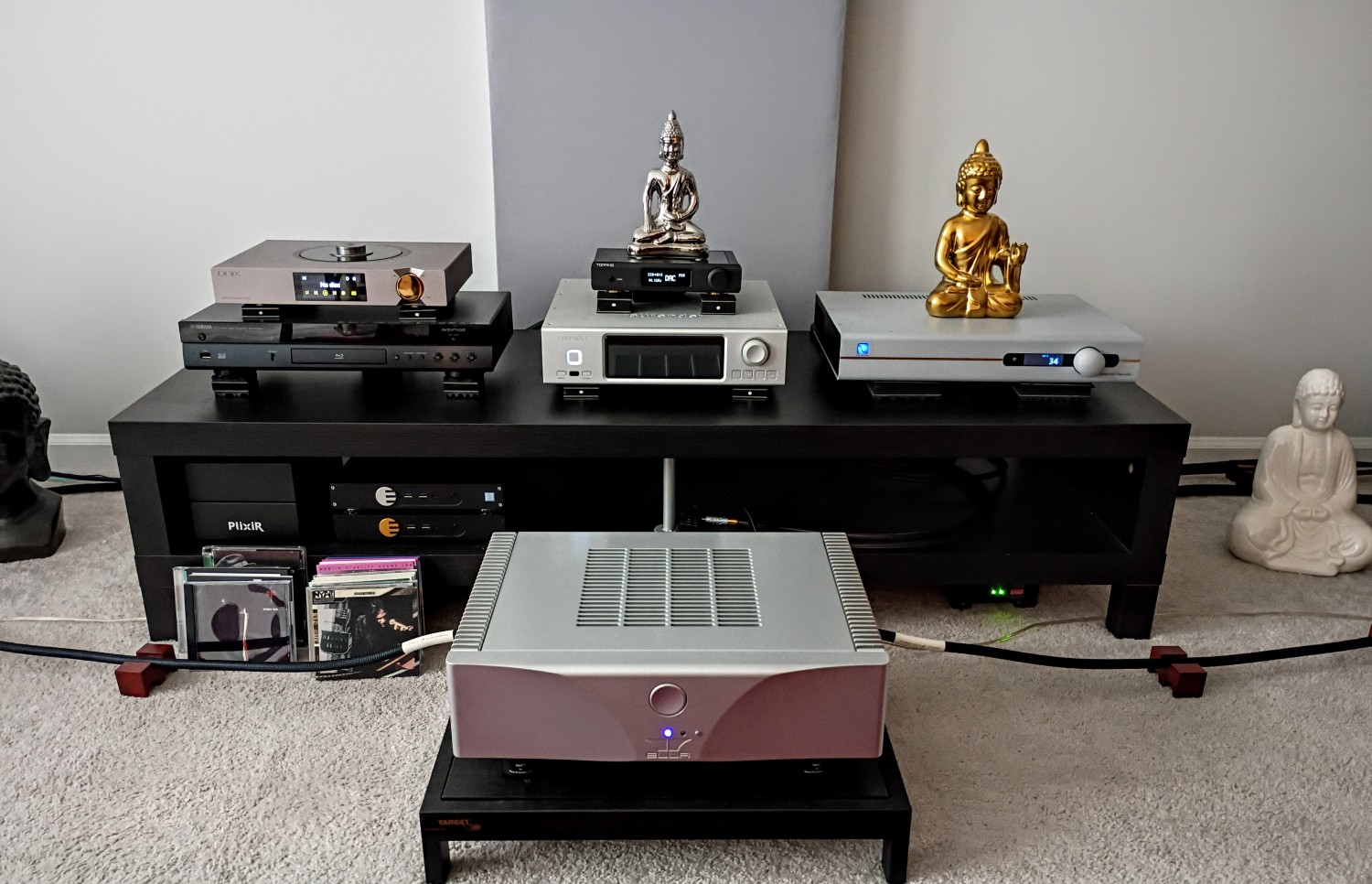
Clicking my name in the header above allows you to see the full complement of equipment in use in my current system and for this evaluation. I initially connected the XST20 via its i2S output to an SMSL VMV D2R DAC—it's a delta-sigma design that uses an ultra-expensive Japanese ROHM chipset that allows for direct DSD streaming. A highly regarded Sommer Excelsior Blue Water HDMI cable was used for the i2S connection; I consider i2S to be the premier digital connection, and the Sommer Excelsior is a perfect conduit between the XST20 and the DAC.
Right out of the gate, there were numerous hiccups with the open-box black finished XST20 provided for evaluation, whose rough appearance gave the impression it had definitely made the rounds. It suffered from a variety of playback inconsistencies, and even updating it to the latest firmware version didn't fix any of the issues. I reached out to Onix support via an email link on their website, and a dialogue started between us that stretched over days of occasionally terse exchanges. Lily Luo eventually intervened: as it turns out, the warehouse at Forte Distribution had inadvertently shipped a defective return unit, and she then arranged for them to send another XST20 for evaluation.
When the package arrived in about a week, opening it revealed a brand new XST20, one of the dazzlingly gorgeous titanium finish units. A quick check of the front panel display showed that it also needed to be updated to the latest V2.0 firmware. But following the update, the new XST20 still exhibited some of the same problems I'd encountered with the first unit. I again reached out to the Onix support team, and over a period of several days, we volleyed emails back-and-forth as we attempted to get to the root of the problem. Which increasingly appeared to be either an incompatibility with my SMSL DAC, or possibly an i2S setting issue.
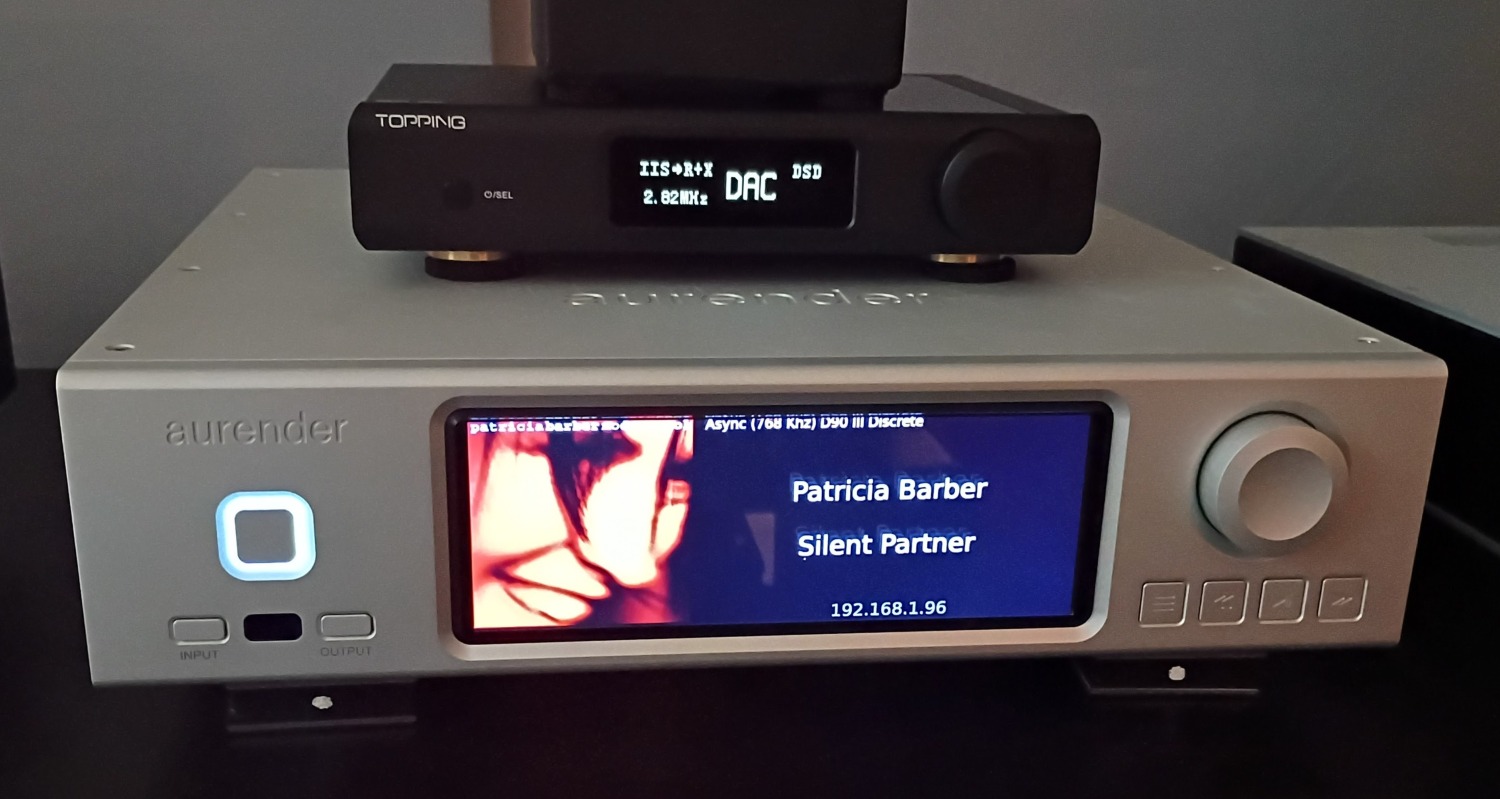
While all this was going on, I was already awaiting delivery of a new DAC, a Topping D90iii Discrete true 1-bit DAC; it employs an advanced 16-phase PSRM module, and it came highly recommended from my friends at Euphony Audio in Croatia. The difficulties I was experiencing with the XST20 and was attempting to resolve with Onix's support team revolved around three ongoing issues. Those included: 1) the unit's inability to play SACDs gaplessly, even though it was touted as having full gapless capability, and even has a gapless menu option; 2) frequent excessively loud pops that randomly appeared during playback; and 3) difficulty in matching my DAC's i2S pin configuration to the correct one of ten available choices for the XST20.
Ultimately, the SMSL VMV D2R DAC seemed to have certain incompatibilities with the XST20, despite otherwise being an excellent DAC. But the arrival of the new Topping D90iii Discrete—which at its $1000 price point is an exceptionally good-sounding and affordable DAC—solved many of those issues. And it ultimately proved to be a much better sonic match for the XST20; as with anything in high-end audio, system synergy is always the key to perfect performance!
I've been experimenting with i2S connections for about five years now, and the continued lack of any kind of standardization between hardware brands is surprising to say the least. Regardless of all the naysaying on the Internet, I remain convinced that i2S is the penultimate digital interface, providing a level of sound quality the ubiquitous USB connection can't touch. Still, the lack of standardization can be quite vexing, and pouring over i2S configuration diagrams with a magnifying glass to find the perfect match from multiple available options can prove to be rather challenging. Working with the Onix team, I was able to discern which of the ten possible configurations was the correct one for the The Topping D90iii Discrete DAC, although attempting to visually reconcile the i2S diagrams supplied by both Onix and Topping was like pulling hen's teeth. The Topping is definitely a much better DAC in every respect, and with the correct i2S configuration, the loud popping noise problems I was experiencing vanished. The XST20's inability to play SACDs gaplessly remained ever-present.
The Shanling/Onix team insist that a hardware limitation is at fault in the absence of true gapless playback as the XST20 streams a native DSD signal to the DAC. They also tout the XST20's impressive worldwide sales to support their conclusion that most purchasers don't actually care about gapless playback. Which they consider to be more or less niche-oriented, and limited to mostly classical music SACDs. I take the gravest exception to that conclusion, and can list at least a dozen very popular rock titles from a diverse group of artists—Pink Floyd not being the least among them—that rely on true gapless compatibility for correct playback. I find it difficult to believe that a firmware update can't be made available that will correct what many will find to be an intolerable situation—Lily Luo of Forte and I have discussed this at length, and she seems to think that the designers at Shanling will eventually figure it out. The Shanling/Onix people tell me not to expect one, the hardware issue makes it impossible, and it is what it is.
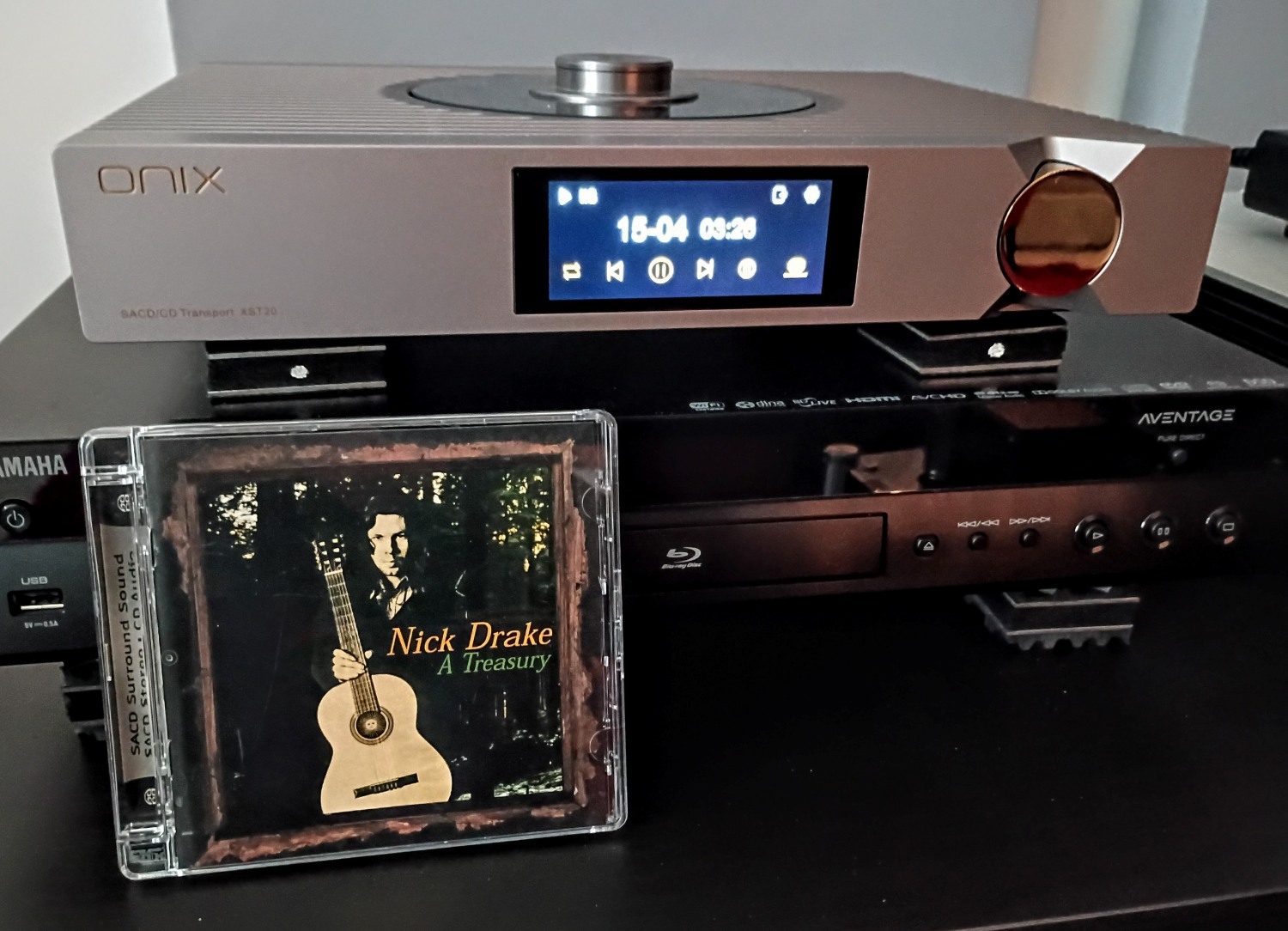
Lily Luo also told me that her long relationship with Shanling/Onix has led her to the following conclusion: their equipment may not play every disc perfectly, but the impressive sound quality they manage to extract is so intoxicatingly good that most listeners are willing to forgive any shortcomings of the hardware. I never thought I'd ever agree with her on this, but following several months with the XST20, I've done an about face and essentially gone over to the dark side: the sound quality is so exceptionally good, I'm willing to overlook what I consider glaring issues with SACD playback. While establishing the correct i2S setting and switching to the Topping D90iii Discrete DAC has indeed fixed most of those problems, there's at least one other issue that I can't help but scratch my head over. Press play with any SACD, and about the first second of the track is truncated; the only way to avert this is to either hit the back button to restart the track, or numerically select the track for play. It's mind-numbingly difficult to wrap my head around having to deal with a workaround like this on otherwise perfectionist equipment, but I've decided I can live with it. Amazingly, I've decided I can also live with the gapless issue—more on that in just a bit.
Listening to the XST20
I mentioned to Lily that I'd been running the XST20 24/7 to help run it in, and she further asked me to continue spinning discs 24/7 during the evaluation period. Forte Distribution has been testing the build quality and longevity of the drive unit onsite, and some additional input from the field would prove invaluable to them. I've done that throughout, and the XST20 generates no heat whatsoever—the surface of the unit remains constantly, perfectly cool. That's usually a good sign, and perhaps the milled aluminum case is acting as one large passive heat sink.
Listening to SACDs played across the Topping D90iii Discrete is revelatory, to say the least. While my Yamaha universal player provides SACD playback that's without any hiccups and perfectly gapless, its internal Burr-Brown DAC can't touch the sound quality of the XST20/D90iii Discrete combination. As I mentioned earlier, I've moved in a fairly headstrong direction over the last decade toward a digital music server model where I'm currently using an Aurender A1000 to stream all my rips of CDs, SACDs, and MQA-CDs through a DAC to my stereo. And prior to the arrival of the Onix Zenith XST20, I felt this setup yielded the finest digital sound quality I'd ever experienced in any of my systems, bar none. That conclusion has recently gotten chucked into the waste bin; I've barely touched the Aurender A1000 in months, except for the occasional, completely disillusioning comparison listen. The difference isn't subtle, and has me shaking my head and questioning everything I believe with regard to digital music playback!
The hard-core digital guys are all about "bits are bits," "it's all ones and zeros," and "it's impossible for any differences to exist between digital files of the same origin." I will argue this to my grave, but there are so many possible variables involved in ripping and file conversion, there's a definite possibility that playback of a CD and streaming the ripped and/or converted file from that same CD can sound very different. Most CDs, DVDs, and Blurays are ripped from computer drives—which now are almost always flimsy external drives, are in no way audio quality, are most likely of questionable quality from a data standpoint, and with no possible way to determine if the ripping process added any jitter to the ripped files. I can't help but believe that the possibility of a jitter-inducing ripping process might have affected the overall sound quality of my digital disc rips. The same thing goes for SACDs—for those of us who've mastered that convoluted ripping process (I have nearly 500 SACD rips on my music server!)—the rips are usually done on an old, out-of-date SACD drive that happens to have the MediaTek drive and laser assembly required to rip SACDs. And again, who knows how they rate from a quality standpoint. Listening to the rips of all of the above played across my media server, they sound pretty darn good—but not anywhere nearly as good as during playback of the original SACD or CD across the Onix Zenith XST20. Whose infinitesimal level of jitter results in perfect disc playback that nearly defies belief.
When Lily Luo made her blanket statement about Shanling/Onix's sound quality winning over listeners despite some technical issues with their players, my first thought was "Yeah, whatever"...I've definitely changed my tune now! Everything, and I mean everything I play over the XST20 in combination with the D90iii Discrete sounds far better than across any other player in my range of experiences, and far better than my ripped files—which sound rather plain vanilla in comparison. Every listen, whether a new acquisition or a catalog staple, the XST20/D90iii Discrete combo wowed me with music that was more organic and analog sounding, with a more hyper-detailed presentation and better retrieval of spatial cues. Everything had a more believable recreation of the recorded acoustic, with a deeper, wider soundstage with greater image height, and greater realism—I mean, everything was presented with such "you are there" realism, even hearing old favorites was like hearing them for the first time!
A heavy focus on native DSD direct playback—well, maybe not…
From day one, I was jonesing to hear SACDs played across the XST20, but the initial problems I encountered along with the tepid Onix support response tempered my enthusiasm a bit. But after finally getting everything up and running with the Topping D90iii Discrete, SACDs I thought I knew intimately were suddenly presented with elevated levels of realism and goodness I'd never have dreamed possible. Here's a valid question: how much of what I'm hearing can be attributed to either the XST20 or the D90iii Discrete, when each is essentially a unknown quantity? I can definitely say this: without my lust for the XST20, I'd never have experienced what has become quite possibly the most mind-boggling musical adventure of my entire audiophile existence.
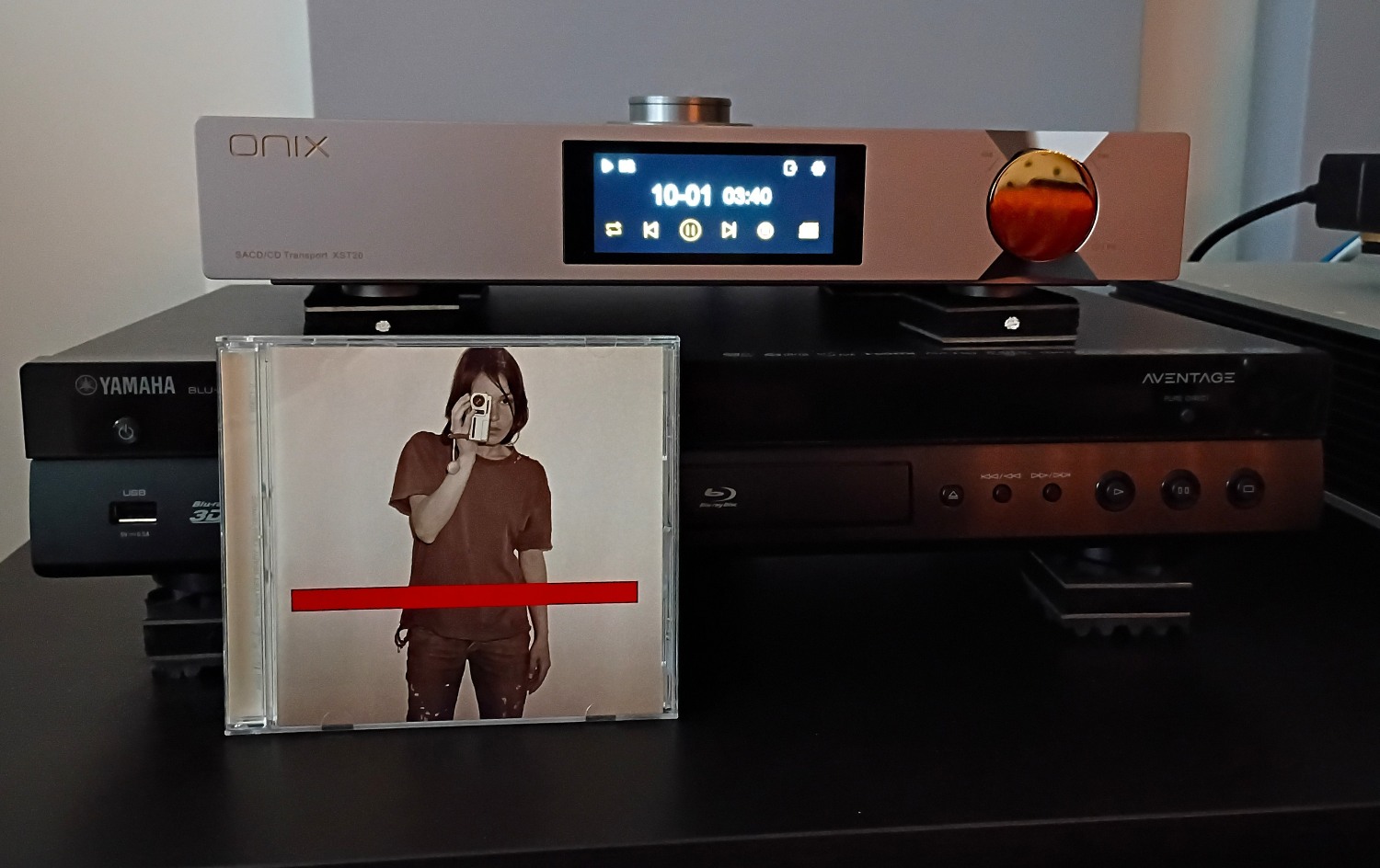
Here's where the wheels really came off for me: when my focus shifted from SACD playback and its accompanying nagging problems to Red Book CD playback, what I began to hear quite literally shocked me to my core. CDs that I'd long felt to be substandard played across the XST20/D90iii Discrete workflow with near demonstration quality sound. I don't say that lightly—CDs that have been in my collection for eons that have always sounded, well, okay, suddenly were rendered with a level of intoxicatingly great sound that had me perched on the edge of my seat! CDs that sounded…meh in my car and…meh ripped to the music server…now displayed an exceptional level of sound that defied all logic. From the point the evaluation veered to the CD side, it's basically remained there ever since, and I can offer no firm explanation.
What I'm about to say is nearly heretical: through the Onix Zenith XST20/Topping D90iii Discrete pairing, the sound of Red Book CDs for me is virtually indistinguishable from that of SACDs—and this is coming from someone who's been a died-in-the-wool fanatic of DSD from essentially day one. Even playing CDRs the sound quality was magnificent—I burned CDRs regularly back in the day, but was always skeptical of their ability to fully capture bit-perfect copies of manufactured CDs. The handful of CDRs in my personal library were played perfectly, and a recent Discogs acquisition of a hard-to-find CD disc included a bonus CDR in the package that featured a compilation of notable tracks from the band's catalog of albums. It sounded totally on par with the manufactured disc I ordered, and that completely astonished me!
On hybrid SACDs, switching between the SACD and CD layers yields playback that's equally satisfying, regardless of DSD or PCM, and here's the real kicker—the music that requires gapless playback is rendered perfectly on the CD layer across this combo. Without any glitchy SACD playback anomalies, like skipping the first second or so of the opening track—which happens on the XST20. Every. Single. Time. Listening to SACDs across this combo is remarkably rewarding, but listening to Red Book CDs is an experience that seemingly transcends space and time—the way I imagined CD playback would be, all the way back in 1983!
The Onix Zenith XST20 has unlimited potential in high end audio
As always, system synergy is paramount, but with a nearly perfect DAC—even the diminutive Topping D90iii Discrete that offers true 1-bit performance for $1000—the XST20 is undeniably a world-beating SACD/CD transport. Whether it comes down to the stable platform offered by the audiophile-grade disc drive and laser assembly, the unshakable, perfectionist construction of the XST20's solid aluminum chassis, or its impressive internal circuitry—even at its $2400 MSRP, it's one of the most incredible bargains in high end audio. It's not perfect, but it's darn close, and the incredible sound I'm hearing over the XST20/D90iii Discrete combo has totally wowed me! I find it indispensable, whether listening for pleasure or as a resource for critical evaluations.
I've acquired digital discs of every possible format frequently over the last decade with the sole intent of ripping them to my music server. Afterwards, they've been placed on shelves where they basically sat for years collecting dust. I've made so many CD and SACD purchases over the last couple of months, it's a bit disturbing, but none of them so far has disappointed me over the XST20. How many of them have I ripped to my server? Zero, and the current ratio of digital discs (mostly CDs) played to LPs is about 20-to-1, I kid you not! The Onix Zenith XST20—warts and all—comes very highly recommended! Thanks so very much to Lily Luo of Forte Distribution for going the extra mile throughout this evaluation. Now let's light a fire underneath the tech teams at Shanling and Onix to fix the glitches with its SACD playback!
Late Breaking Update: SACD playback start glitch solved!
I recently had a prolonged power outage here, and when everything came back online, it quickly became clear to me that my Topping D90III Discrete had reverted to its default settings. While in the process of resetting all the menu options, I realized that there's a redundancy that exists between the D90II Discrete and the XST20—the menu setting for i2s Mute on the D90III Discrete offers choices of "Off," "Low," or "High." There's also a similar menu option on the XST20, but it only offers settings of "Low" or "High"—I had both units set to "High," as that originally seemed appropriate. I now have the XST20 set to "High," with the D90III Discrete set to "Off," so there's no overlap in the i2s Mute function. That has solved the SACD playback issue, where the first second or so of playback was truncated—but a new wrinkle has unfolded. Now, when playing Red Book CDs, upon stopping playback at any point in the track, there's an audible "chirp"—it's not egregiously loud, but nonetheless odd, and no experimentation on my part seems to eliminate it.
SACD playback is now greatly improved, as all the tracks play perfectly—although the inability of the deck to provide true gapless playback still exists, which is rather bothersome on the occasional classical or prog rock SACD disc. And while that slight chirp is also annoying, it's not in any way a deal breaker, especially considering the exceptional sound quality of SACDs and CDs as rendered by the XST20/D90III Discrete combination. Fine tuning this playback system been a work in progress, but we're getting there, and despite the gapless flaw, the intoxicatingly good sound I continue to hear confirms for me that there's no going back! Lily Luo was correct—Onix/Shanling makes up for minor technical glitches with audibly arresting playback that makes it easy for the listener to forgive any shortcomings. I remain totally impressed by the XST20!
Onix Zenith XST20 SACD/CD Transport
Retail: $2399
Onix Audio
Forte Distribution
All images courtesy of Onix Audio, Forte Distribution, and the author.