What price, perfection? Put another way, at what point do diminishing returns themselves diminish? In my view, when an audio system is sufficiently resolving, seemingly minor performance improvements associated with a change in system, source material, or acoustic environment can be profound.
I’ve employed Audience’s aR2p family of adeptResponse power conditioners in my system for years, first in TO, and later in T4, guise. The aR2p conditioner’s unique advantage is its ability to plug directly into an outlet, obviating the need for an ancillary power cord. Downsides to the aR2p include being limited to two AC receptacles, lack of component-filtering isolation, and its no-frills casework, at least in comparison to Audience’s larger power conditioners.
Offered the chance to experience an aR6p-T4 power conditioner and accompanying upgraded frontRow powerChord, I welcomed the opportunity to gauge the incremental gains afforded by the larger platform and its more sophisticated technology infrastructure. The Audience power conditioners are offered in myriad configurations, allowing the purchaser to select the number of AC receptacles, as well as the technologies incorporated. As with the aR2p, I opted for the top-of-the-line T4 version of the aR6.
As noted in my review of the aR2p-T4, which you can read HERE, as you move up the ladder from the standard versions of the adeptResponse conditioners to the T3 versions, and finally, to the T4 versions, you get more of the cutting-edge technology advances Audience has developed over the past several years in its quest to manufacture the finest power conditioners on the market.
The standard aR versions include Audience’s Auricap XO+ polypropylene film capacitors, oxygen-free copper (OFC) internal power wiring, hospital-grade power outlets, proprietary rhodium-plated copper wall plug, magnetic circuit breaker, fully filtered outlets, and cryogenic treatment of all parts. The standard aR models possess extremely low DC resistance for optimizing dynamic range, and Audience endows the aR models with partial power-factor correction by bringing the voltage and current into relation with one another for ensuing proper phase, which is claimed by Audience to result in a subjective 10% increase in amplifier power output. Audience hard-wires all connections, avoiding the need for circuit boards. The aR conditioners are designed to fully isolate components to which they are connected from EMI and RFI. The aR models possess 15-amp on/off breaker switches and are able to deliver 1,800 watts of power on a continuous basis, with the ability to deliver at least 3600 watts for an unspecified shorter period of time. Options for a 20-amp breaker and/or 220-volt compatibility are available at no additional cost. Finally, the Audience conditioners possess over-voltage protection utilizing a non-wearing, non-MOV solution that can withstand a 20,000-amp discharge and is said to be sonically transparent. All Audience power conditioners are warranted for a period of 10 years.
The aR-T3 conditioners go a step further in replacing the standard-models’ Auricap XO+ film capacitors with premium Aura-TR versions of Audience's celebrated Teflon capacitors. The aR-T4 models represent the pinnacle of the aR family of power conditioners and add a number of additional features and technologies to those already found in the T3s. First, the T4s employ proprietary Audience Hidden Treasure duplex AC outlets that incorporate RF-blocking crystals for preventing unwanted radio-frequency noise from entering the AC path. Additionally, the T4s are wired internally with Audience's Au24 SX OCC power cabling. Perhaps most importantly, the T4s include Audience's revolutionary S-Filter, which consists of a large-core balun transformer, along with circuitry designed to provide filtering down to the 20kHz - 30kHz range, for additional lowering of the noise floor. Lastly, the T4s are treated with Audience's Extreme High Voltage Process (EHVP), which subjects the electrical circuits to around one million volts, in pulses, to create predictable paths through the crystalline grain structure.
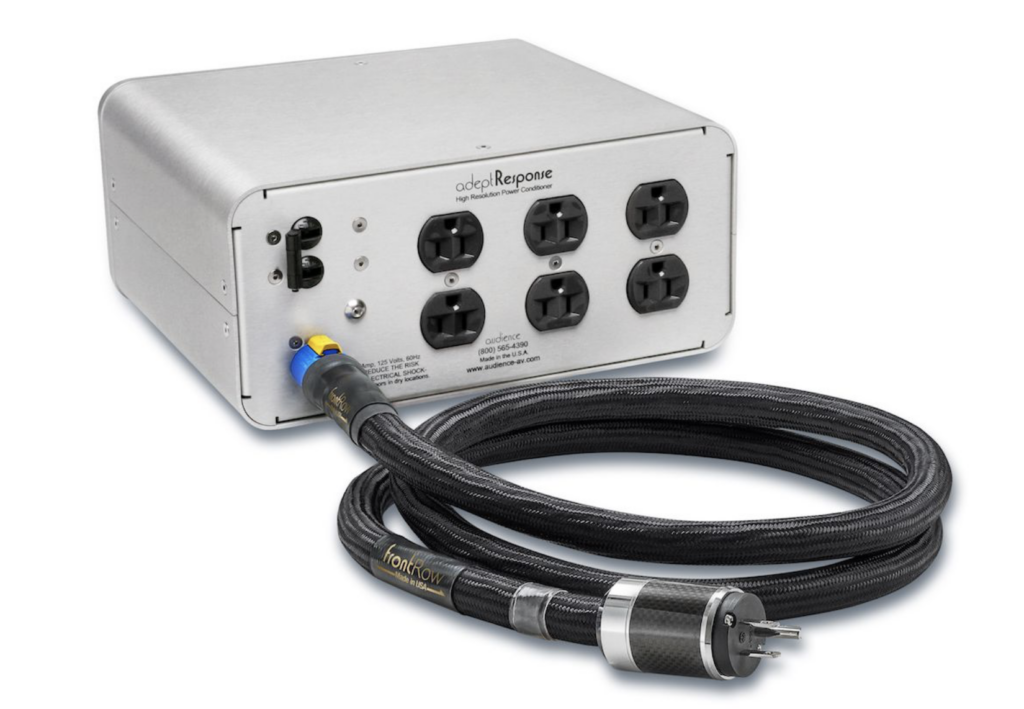
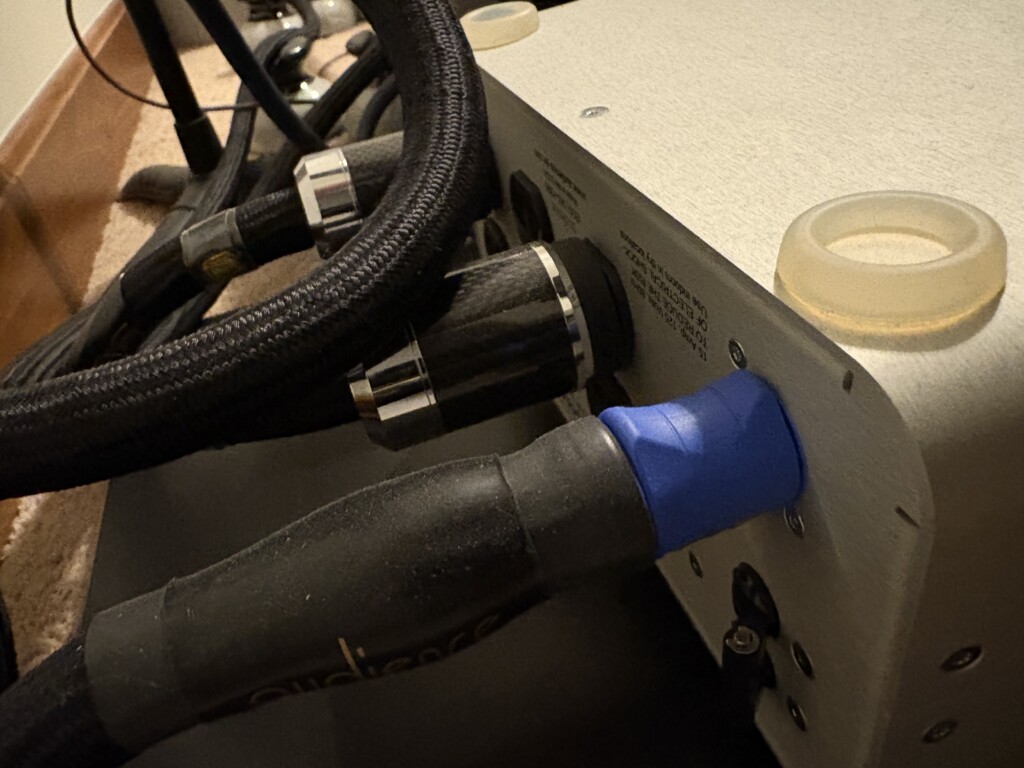
The aR6 is well-built and is constructed of quality materials, including satin-anodized aluminum panels on all sides, with “adeptResponse” silk-screened on the front, accompanied by a small blue LED to indicate that the unit is powered on. The aR6 measures 10.5” wide by 4.75” high by 8.25” deep, and it weighs 11 pounds. The back panel includes six AC receptacles, a Neutrik connector for the power cord, and a circuit-breaker toggle that also serves to turn the aR6 on and off.
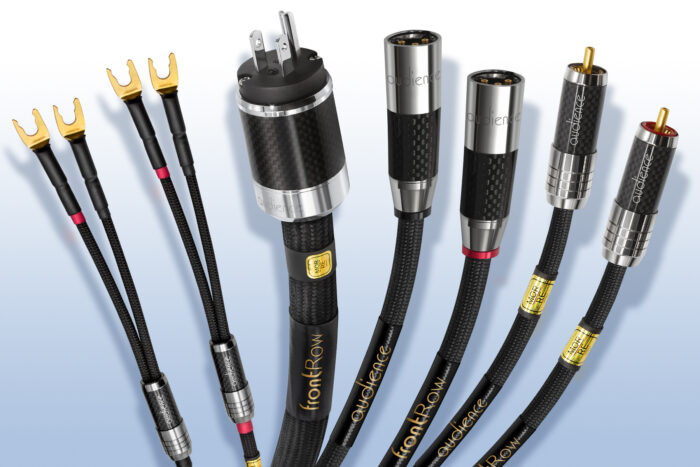
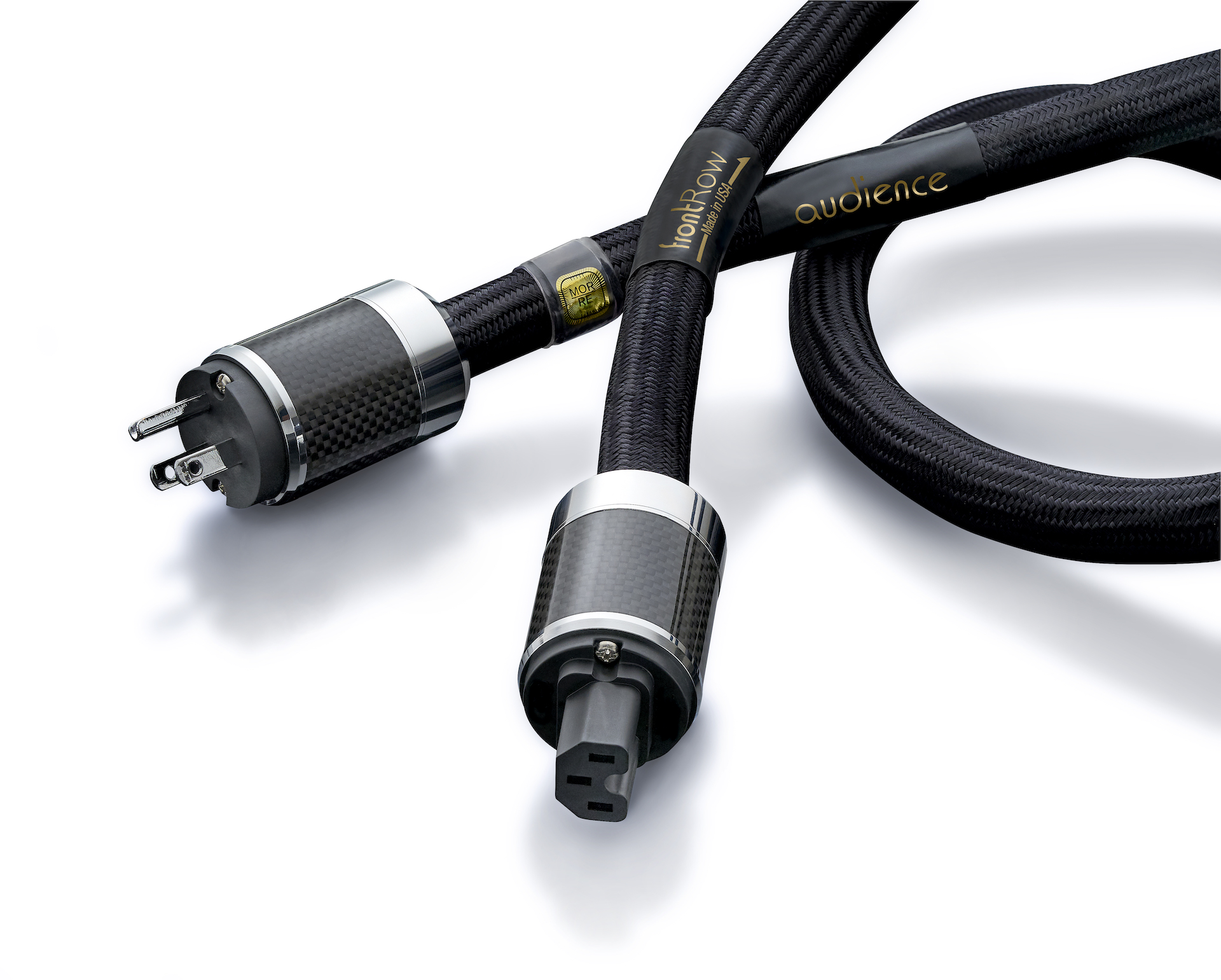
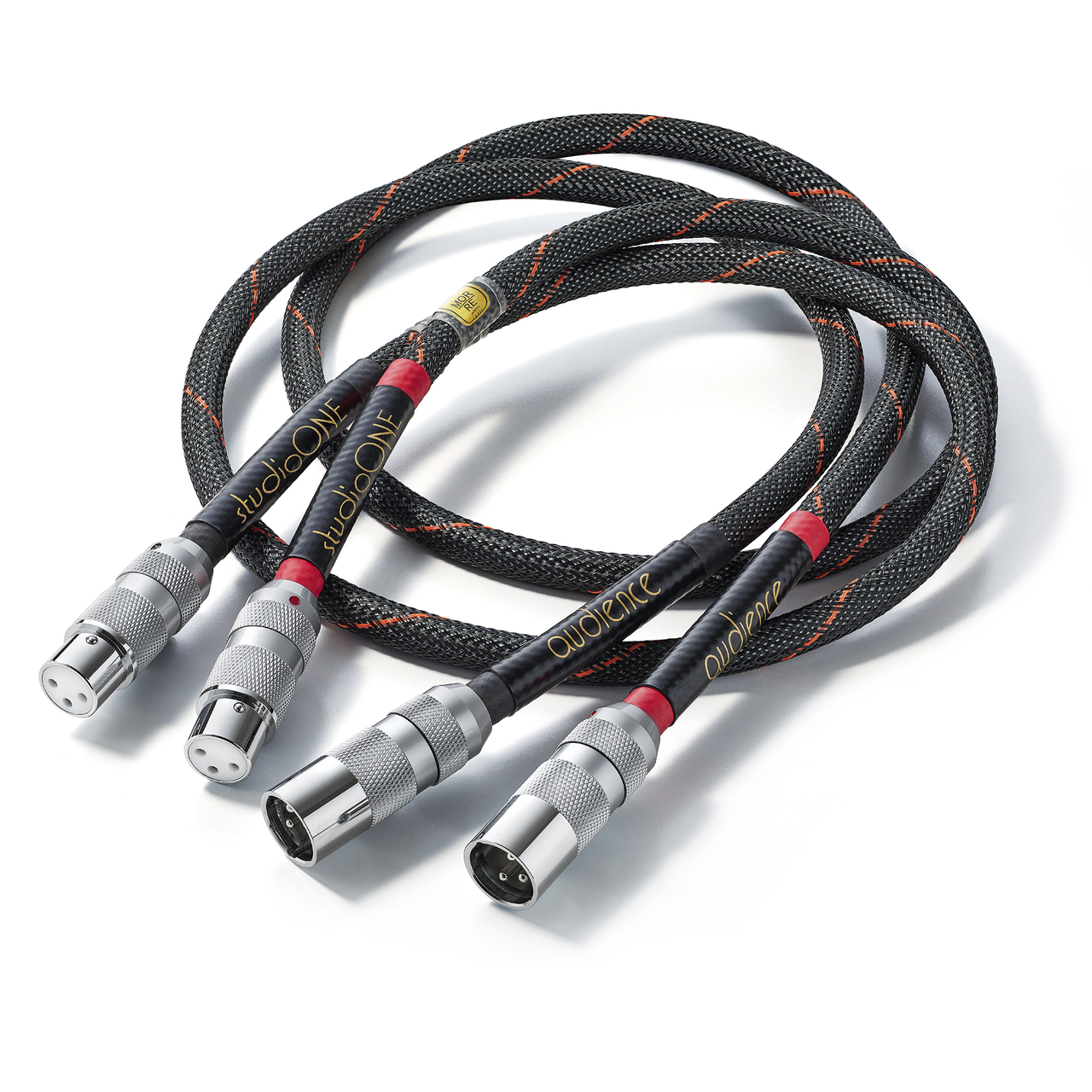
The aR6 comes standard with the Audience Forte 5 EHVP powerChord. For an additional $2,400, Audience can provide a Studio ONE powerChord, or, for an additional $4,660, an Au24SX powerChord. For those seeking the best performance possible, the aR6 can be had with the top-of-the-line frontRow powerChord, at an additional outlay of $6,300, or the even-fancier frontRow Reserve, at $7,750. My aR6-T4 was packaged with the frontRow powerChord.
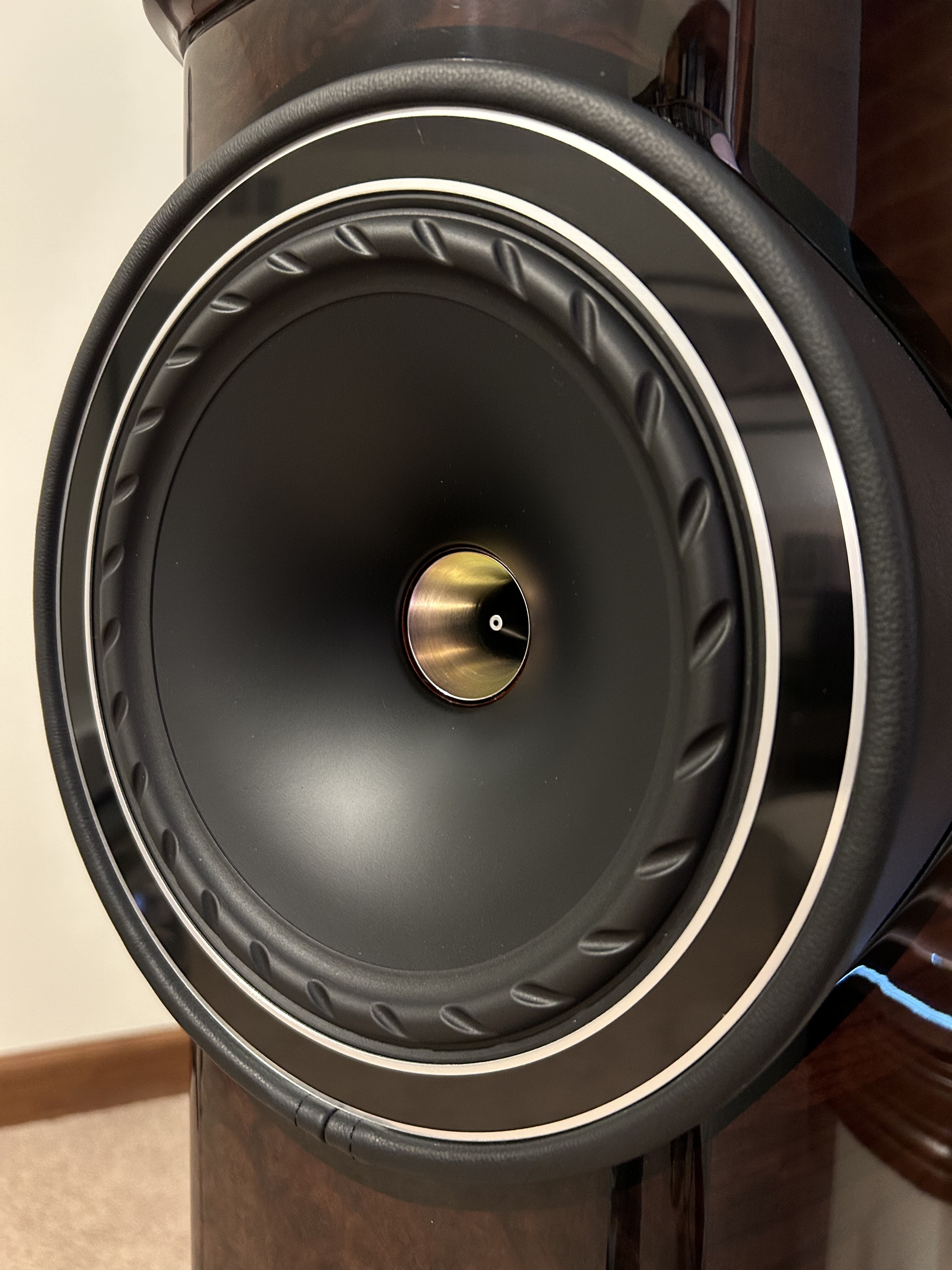
During the course of the review period, my system comprised the Marantz SA-10, Esoteric K-01 XD SE and Esoteric Grandioso K1X SE SACD players, AVM A8.3, Dan D’Agostino Progression and Soulution 331 integrated amplifiers, Fyne Audio F1-8S and Gauder Akustik Capello 80 loudspeakers, and Audience frontRow interconnects, speaker cables and power cords. All components were placed on a Symposium Osiris rack, with Symposium Acoustics Rollerblock Jr HDSE footers. Acoustic treatments were by Acoustic Sciences Corporation.
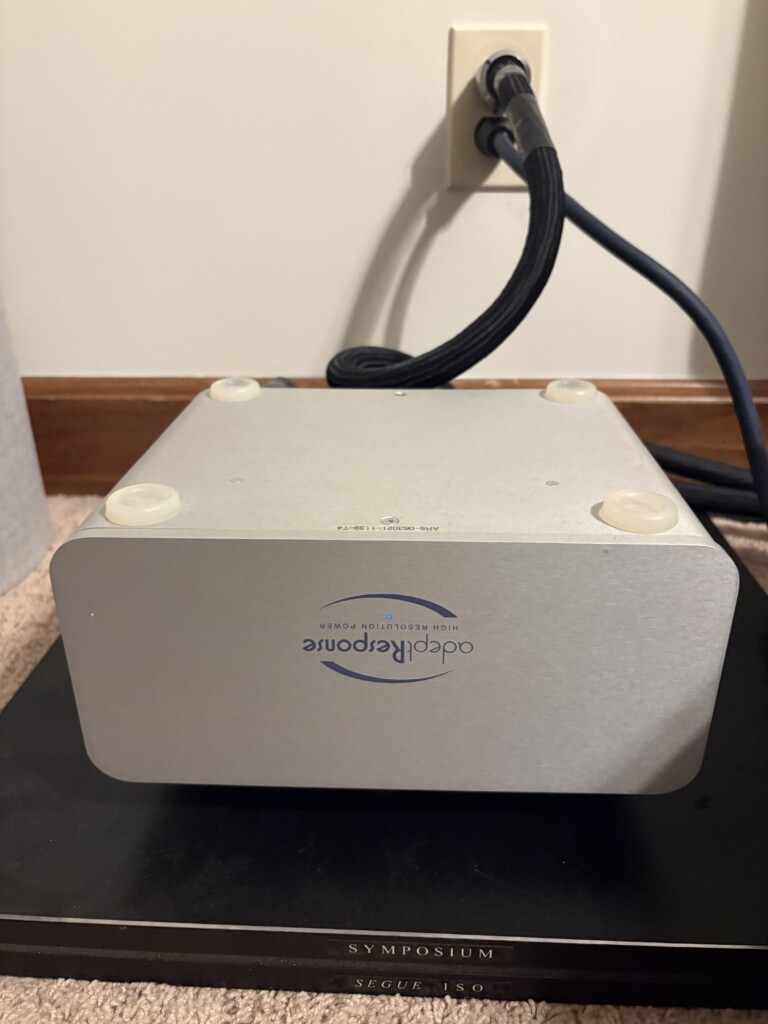
I experienced no dynamic-limiting issues associated with plugging amplifiers into the aR6-T4, and I adhered to Audience’s recommendation to utilize the AC receptacle closest to the AC inlet for my amplifiers, as that receptacle has the largest capacitors for energy storage. Due to the positioning of my power cords, it was more convenient for me to orient the aR6-T4 upside down. Initially, I installed the Audience conditioner directly on the floor, later adding a Symposium ISO Segue Stealth platform and Rollerblock Jr HDSE footers. My aR6-T4 had seen use, so no break-in was required. Upon initial install, I immediately discerned greater clarity, better separation of instruments, enhanced micro-dynamics, and a fluid continuousness that made recorded music more organic, more believable.
1973 represented either the peak, or the nadir, of the progressive-rock movement, depending upon one’s viewpoint. Bands such as Genesis, King Crimson, and Gentle Giant released their most ambitious efforts yet. And who can forget Emerson Lake and Palmer’s iconic Brain Salad Surgery, with its disconcerting H.R. Giger cover art and science fiction-inspired themes? More than 50 years later, opinions are divided as to whether Brain Salad Surgery embodies the pinnacle of the progressive-rock era, or the height of its excess. And then there’s YES’ Tales from Topographic Oceans, a sprawling four-song suite of interconnected musical pieces spanning four LP record sides. I’ve been listening to Tales since I was a teenager back in the 1980s, and setting side musical valuation, I can categorically state that the sonics are suboptimal. The mixes are murky, overly dense, and curtailed at the top and bottom ranges of the frequency spectrum. Numerous remasters of the recording have been released over the years, none of which have succeeded in fully addressing the deficiencies. Steven Wilson’s remixed version is the best yet, adding air and extension up in the treble region and opening up dynamics. Playing Tales with the aR6-T4 in the system, I was treated to a level of performance I wouldn’t have believed possible. Jon Anderson’s vocals, recessed as they are within the soundstage amidst the cacophony of competing instrumentation, bloomed forward with greater density and dimensionality. Alan White’s drumming, which, due to the mix, can sound rather anemic, now had actual presence and verve. The recording lived and breathed and was possessed of a sense of vitality that made me feel as if I was experiencing this music again for the first time.
Well-recorded material also benefited from the aR6-T4’s effects. Listening to the title track of the Tsuyoshi Yamamoto Trio’s seminal 1974 Midnight Sugar CD, Yamamoto’s piano, located precisely to the inside of the left loudspeaker, had never sounded so enunciated and textured. Isoo Fukui’s bass playing was warm, yet precise, and Tetsujiro Obara’s drums were clarion clear and possessed of sublime air and effervescence. The entire performance was more grounded, more solid, more reach-out-and-touch-it present in my room.
Perhaps the greatest improvement wrought by the aR6-T4 was the inky-black backgrounds. The Audience conditioner lowered the noise floor to such an extent that music emerged utterly devoid of grunge, grit, or other AC-borne artifacts. This resulted in greater dynamic contrasts, at both the macro-dynamic and micro-dynamic levels. And this improved dynamism was evident, not just on audiophile-grade recordings, like the aforementioned Midnight Sugar, but also on more mainstream fare, such as the dynamically-compressed remastered version of Pete Townshend’s All the Best Cowboys Have Chinese Eyes CD. Listening to “Prelude,” I discerned more of the subtle inflections in Townshend’s close-miked vocal, as he moved around the microphone while singing. And, amidst the raucous percussive onslaught underpinning “Communication,” the minute respites between the barrages of notes were more pronounced, leading to a greater sense of realism.
There was also a sense of heightened transparency in the midrange. The vocal interplay between China Forbes and Jimmy Scott on “Tea for Two” from Pink Martini’s Hey Eugene! release was more dimensional, more fleshed out in tonality, and more present in the room than I’m accustomed to hearing, lending a haunting patina to the presentation.
With the aR6-T4 conditioning my system’s power, the treble registers were reproduced with crystalline purity. Shadowfax’s Folksongs for a Nuclear Village is a nuanced amalgam of world music, jazz and ambient soundscapes., with a myriad of percussion instrumentation flitting in and out of the broader performances. Via the addition of the aR6-T4 and frontRow powerChord, the chimes, gongs, cymbals, and shakers on “Lucky Mud” were reproduced with more air, shimmer, and dynamism. Likewise, Manu Katche’s cymbal work on “Digging in the Dirt” from Peter Gabriel’s Us SACD were more readily discernible against the background of the complex multi-tracked mix.
The sonic benefits conferred by the aR6-T4 were made more readily apparent with its removal from my system. With all components plugged directly into the wall, the soundstage shrunk, dynamics flattened, and there was a coarse grit that overlaid the overall presentation, leading to less verisimilitude, which, in turn, engendered less musical involvement. And, as good as the aR2p-T4 is, especially at its price point, the larger aR6-T4’s performance improved upon that of its sibling with greater transparency, enhanced soundstage recreation, and improved rendering of dynamic contrasts. These differences were subtle, but experienced over time in a system tweaked for resolution, they became difficult, impossible even, to live without.
Musical enjoyment is a gestalt experience, where minute and disparate factors combine to create an end result that transcends the components involved in its creation. As a music-playback system becomes more resolving, even small improvements begin to have outsized impact. Audience’s aR6-T4 wrought such an impact to my system’s performance, proving that the subtle can be profound. Well done.
Audience aR6-T4 Power Conditioner
Retail: $6900 with Audience Forte 5 EHVP powerChord; $13200 as reviewed with frontRow powerChord
Audience