


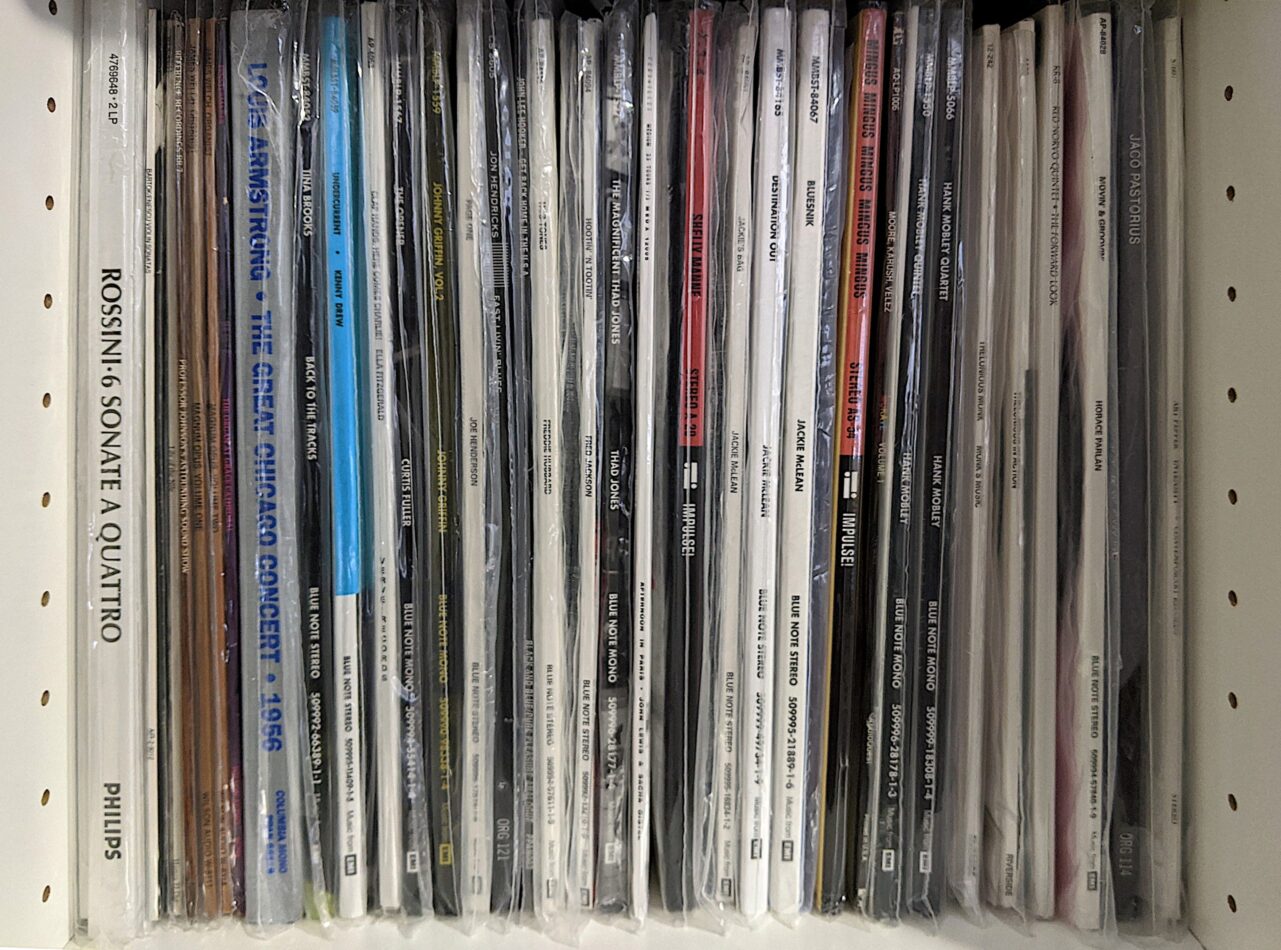
A time for downsizing may come in your life, as it did in mine. If you've spent decades enjoying vinyl, you may find yourself staring at shelves upon shelves of records that, sooner or later, will need to find a new home. In my case, that meant more than 8000 LPs. When we moved to an apartment, they simply couldn't come with us. So, what do you do?
Back in 2020, I wrote about our downsizing journey in a four-part series for Positive Feedback titled Yes, There Really Is Music After Vinyl (HERE). In those articles, I told the story of our transition from diehard vinyl devotees to a fully digital listening life. What I didn't describe in much detail was how we actually sold or gave away thousands of records.
Since then, I've received occasional requests from fellow music lovers asking for that part of the story. Twice, the inquiry came from a surviving spouse or adult child suddenly faced with the daunting task of liquidating an audiophile's system and record collection—often numbering in the thousands. After a recent request, I decided it was time to write up what I learned in the hope that it may help others facing the same challenge.
So here we go. This isn't a definitive guide, just a summary of my experience, from which you may glean a few useful ideas for your own journey.
First, a caveat: my experience dates back seven or eight years. The marketplace evolves, so do your own research and treat what follows as a starting point, not the final word.
Second, understand this at the outset: selling your records yourself at retail prices will be a long slog. It can be tedious, time-consuming, and occasionally exasperating. You will encounter picky buyers and more than a few difficult personalities. As my wife and listening partner gently reminds me, "audiophiles can be insufferable." She is not wrong.
In my case, I pursued three primary paths:
- Steeply discounted direct sales to members of my local audio club, offered through two or three open-house sessions.
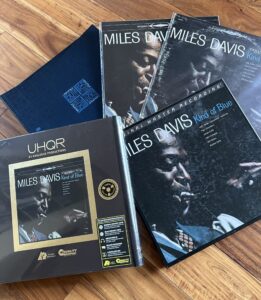
- Retail sales of premium LPs (collectible pressings, audiophile reissues, 45rpm 12-inch sets) through Discogs.
- Bulk sales to local used record stores and, for the majority of my classical collection, to a wholesaler with overseas contacts—both at pennies on the dollar.
Jazz titles and premium rock/pop moved relatively well. Classical recordings, however, proved far more difficult to sell—especially at retail. Most local shops showed little to no interest, and I suspect that reality has not changed much.
What follows is a closer look at the direct retail sales process, along with some hard-earned lessons from the process.
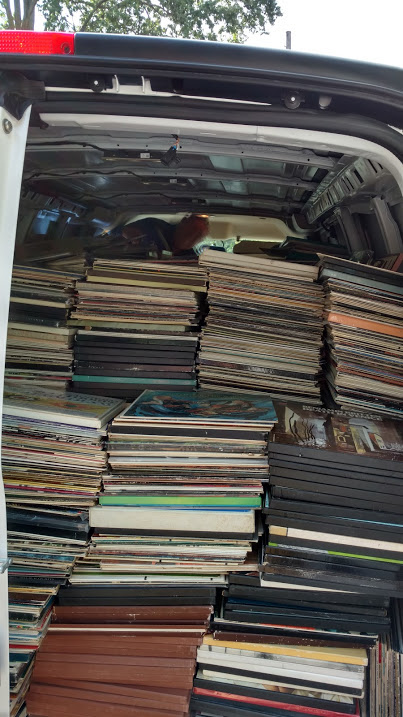
The bulk of the classical being hauled away—some luscious albums went this way.
Selling on Discogs
If you take on the retail sales path (direct sales to individual buyers), I found Discogs easy to work with. Setting up your shipping policy can be a little tricky—it was not intuitive how to go about it back when I was selling, but it works well once you get it set.
Here are some tips on what I did:
- You will want to get some positive buyer feedback showing on your seller profile. This can come only with actual purchases. So, work hard in the first few sales to get the buyer to leave positive feedback for you. I usually held off giving feedback to buyers until a few days after they should have received the item(s). Just giving feedback for them sometimes prompted them to return the favor. Ask for positive feedback from every buyer.
- Listing an album is quick and easy. You do not need to provide any photos nor should you try to add anything that is not already on the "master page" for the same release of the album you have a copy of and are selling. There is a cadre of collectors out there doing this for us, and to change anything in this master description is a process unto itself.
- But you need to find an exact match in the current listings to the album you want to sell. Buyers on Discogs are very picky about this and will call you out if yours is not a an exact match to what you've listed.
- Once you get to the identical album listing, you can see what other copies are currently offered for sale, at what price, and the historical sales. That will help you establish a price for your copy of that same album. You are also able to enter any other details about your particular copy and its condition/history that you think will help it sell. Be very conservative about this. If you get a reputation early on for over-rating your LPs, you'll never be able to shake that.
- Build your sellers profile with whatever you'd like to say. Use the space that allows you to write something that reflects the quality of the records you will be offering. Enter address information and everything else Discogs requests.
Be sure to say that your are selling your personal collection of over "X,XXX" LPs and will be offering them over time as you have time to list them. Do not list all of your records at once. List them in tranches, always mixing "primo" LPs with the so-so LPs. You want to keep people coming back to look at your new listings and hopefully also peruse the old that have not yet sold. - Set your shipping policy, but first: decide whether you will ship only to U.S. addresses (as I did) or to other countries as well. It's easy to start U.S.-only and then add countries as you have a request and decide that you will include that region of the world. E.g., if you add Germany, then add western Europe, England, Ireland.
I shipped only to U.S. destinations because I found it easier to simply allow a purchaser to return an item for refund if it doesn't meet their expectations. Once you go outside the U.S., this is geometrically harder and more expensive because Media Mail pricing only works to and from U.S. destinations.
You do limit your potential sales by restricting sales to the U.S., however. Still, I recommend starting U.S. only, then add gradually as you have a desire to do so. You can always make exceptions. - No need to mention this in your profile, but you can always offer a discount for a bulk purchase. You'll need to understand how Discogs charges their commission, however, so you don't get surprised. They want/need their slice of your transaction to make their money.
- This was my description of terms, I didn't say anything about refunds/returns in my terms:
"Buyer pays shipping - I ship to U.S. addresses only at this time via USPS Media Mail with Signature Confirmation, insured in secure packaging. Cost is $7.50 for one item plus $2.50 for each additional item, unless otherwise noted. A double disc album counts as one item."
If a buyer complains, readily offer a full refund upon return of the LP(s) in original condition. Yes, there will be someone who buys, makes a needle-drop and then wants a return because the vinyl is somehow defective. Just offer the return with full refund, with the buyer paying the return shipping. - In your shipping policy, establish a shipping cost that the system can then calculate for each order. I priced per double LP album since 90% of what I was selling were 2-LP 45rpm albums. I set the price for one that would cover the size and weight I expected to double box 1 album, then added a smaller additional charge for each additional album. In the setup page, you have to do this tier by tier with an explicit cost for each number of albums.
For pricier items, I shipped "signature required." Too easy to claim a shipment was never received and demand a refund.
Also, use a third party seller of postage. I had (and continue to have) great success using Pirate Ship. They provide good comparison shipping costs for both USPS and UPS, and their website is easy to navigate. Discogs may have this sorted out on their own site at this point. - Package for shipping as if the item is going to be thrown out of a truck and then run over. I highly recommend double boxing and package with "ears" extending left and right to protect the corners of your album covers. Don't allow them to be crushed by just putting them in an LP sized box. They will get crushed.
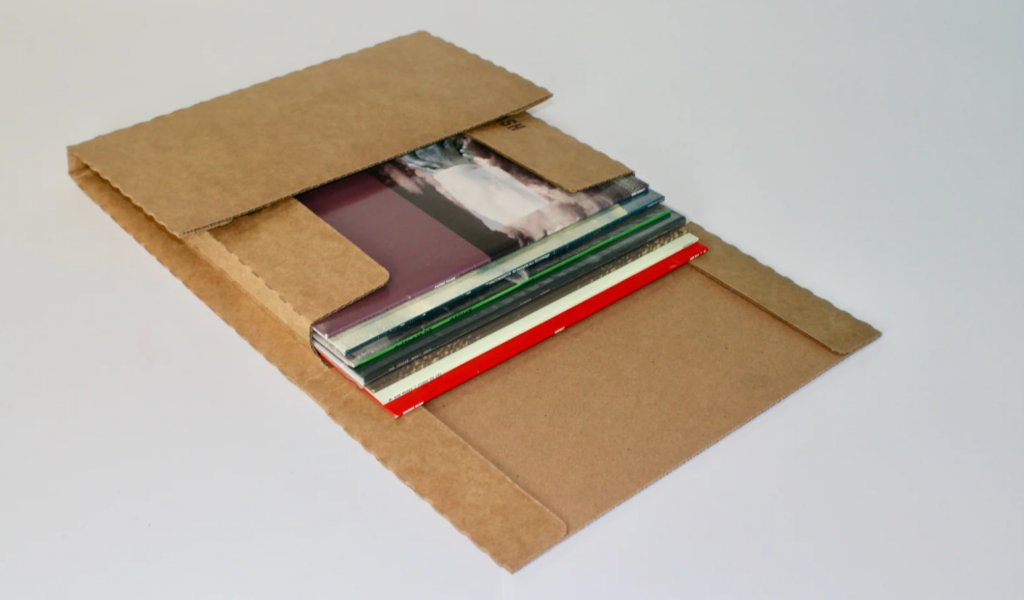
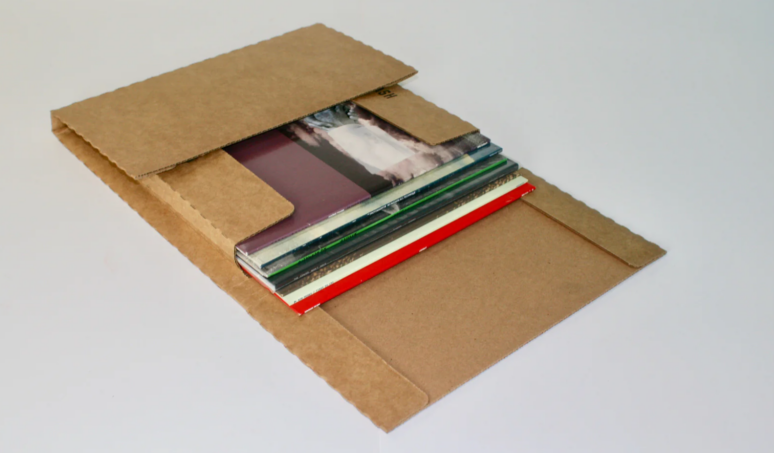
- I double boxed every shipment and used a size of at least 13" x 15". USPS will crush the corners unless you leave extra padded space beyond the record. I avoided the standard 12.5" x 12.5" boxes like the plague. I got to the point that I found it convenient to simply construct my own shipping boxes from moving boxes we had left over from our move. But there are commercial options if you just want to buy some that look like they should work as shown in the photo below (note the wide edges along two sides to protect the record corners). One source is Whiplash-LPMailer, one of whose boxes is shown below. I'm sure there are others.
- REMOVE the vinyl with it's inner sleeve from the album jacket to avoid jacket seam splits. Pack tightly—don't allow the records to slide around. If you ship with the records still inside their record jackets, I guarantee you will get negative feedback about your packaging.
- As mentioned earlier, plan on this being very time-consuming.
In our downsizing process, I did not have unlimited time to clear the house of records. We were preparing to move, and everything had to go so the property could be listed. Even so, I spent roughly eighteen months selling at retail before finally contacting a record wholesaler willing to take the classical collection. As noted earlier, those last several thousand LPs sold for pennies on the dollar. Had I been able to stretch the process over several years, the financial outcome might have been different. But each of us faces different constraints—time, energy, space, family circumstances—when the downsizing season arrives.
If you have experience selling your records directly, please share your experience and suggestions in the comment section below. I'm sure I have not covered everything there is to know about this process.
A closing reflection
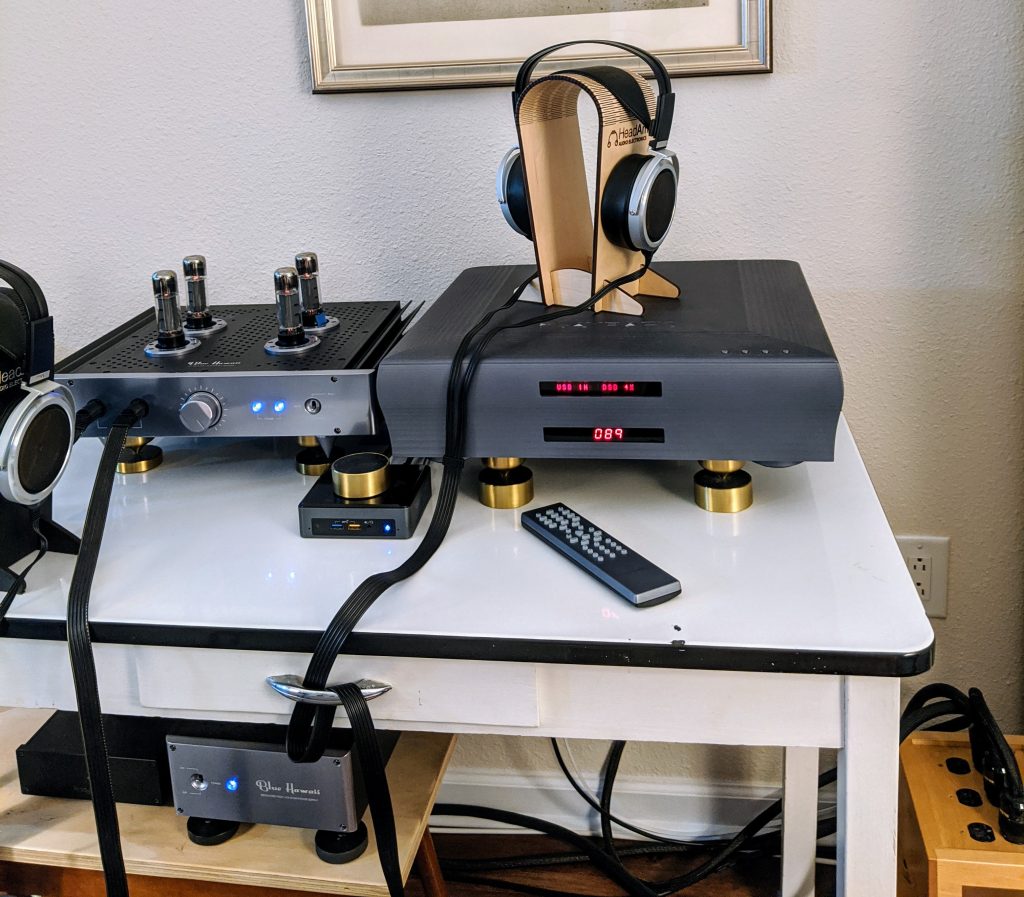
Ann and I have more music available to us today than at any other time in our lives—and in superb sound quality. We are discovering new artists, new composers, new recording engineers. And we are loving it. There truly is music after vinyl.
Most importantly, however, we believe we have given our daughter a precious gift. We removed the burden of thousands of records and a house full of possessions that she would one day have had to sort, sell, or discard. The music remains in our lives. The weight of the "stuff" does not.