

Stax Maturity
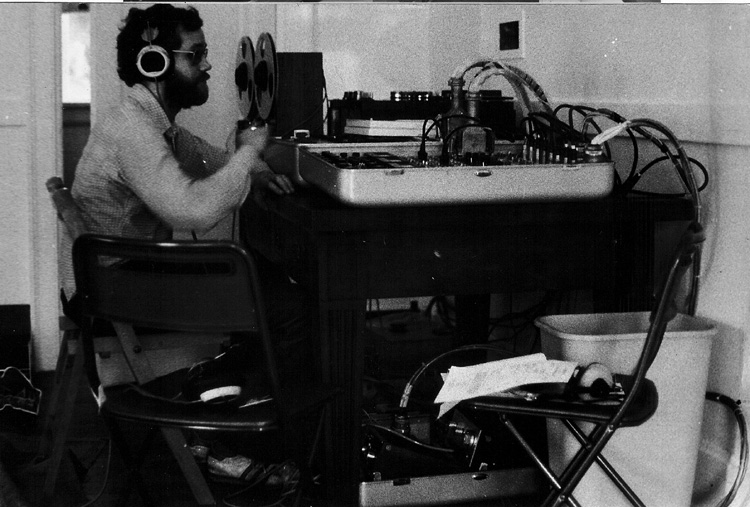
I’ve been a proud owner of Stax Earspeakers (SR-3 and SR-5) since the year 1972, when I began doing remote recording with Stax phones for monitoring. At that time, E-Stat was a revolution, offering far superior sound quality to any dynamic phone available. It’s been 54 years! In the early 70’s, I fed my mixer to a highly regarded Harmon Kardon Citation 2 amplifier driving an SRD-5 and eventually SRD-7 Stax transformer energizer. The SRD series is an entirely passive box, using a step up transformer. Unfortunately, those primitive Stax passive Energizers used really cheap, low bandwidth transformers, which definitely did not have good drive or good bass response.
In 1977 I was able to afford an early Stax preamp, the SRA-12S, which directly drove the phones with fragile 2SC1167 high voltage output transistors in push-pull. Discerning listeners needed lots more headroom than that wimpy Stax amp with its low bias voltage could provide so I dared to modify the amp to produce a higher (illegal and potentially dangerous) bias voltage, which gave me 3 dB more output! I simply turned up the bias voltage until the hairs on my arms started to tingle, and then backed off! In fact, I have used my SR-5 phones as secondary monitors (besides the speakers) for all of my Chesky Recordings through 1998. Obviously I was taking my phones to new worlds (where no one has gone before) but they never blew up! Warp drive, anyone?
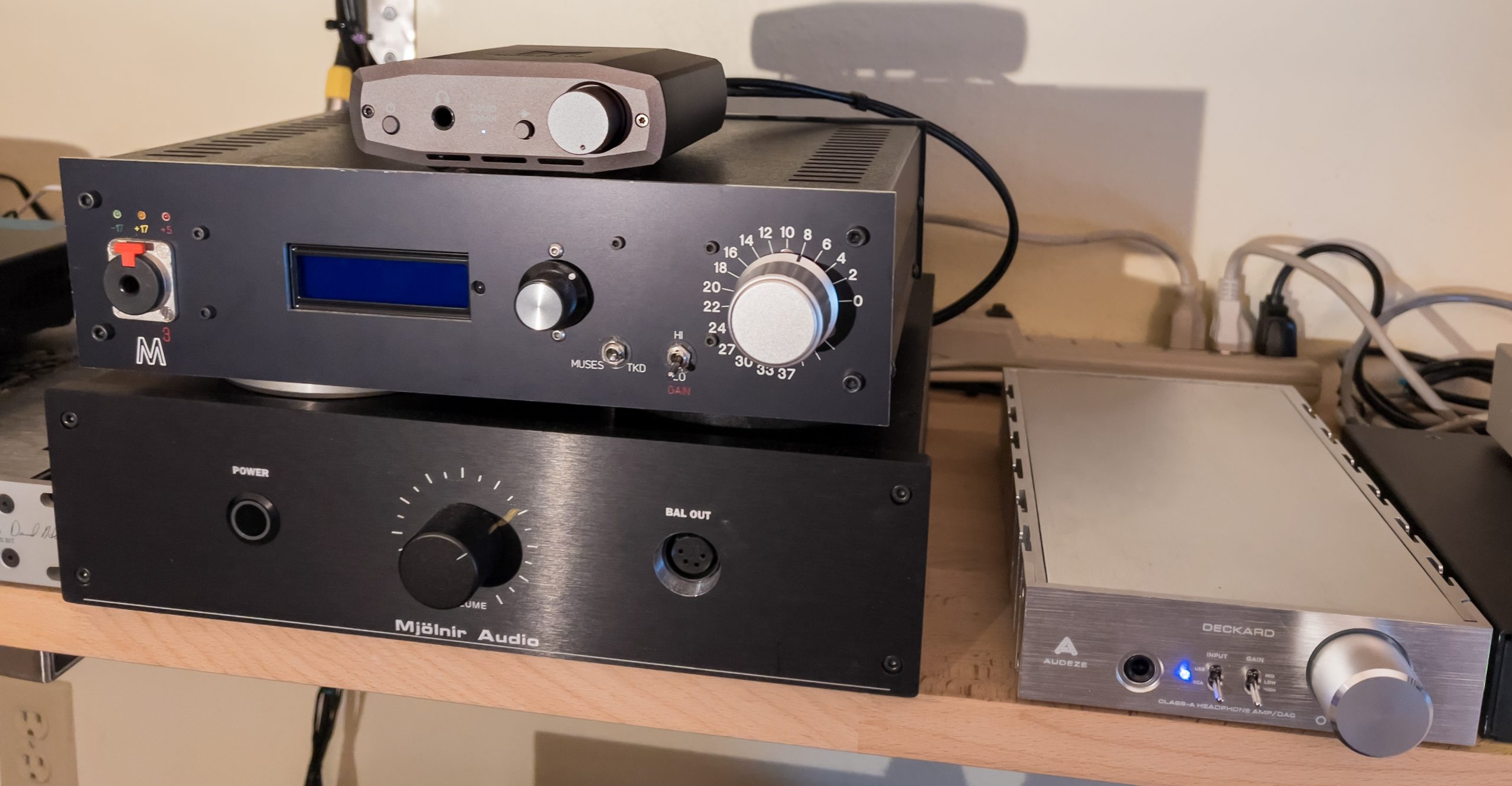
Those original Stax phones used a nominal bias of 230 V DC, while the pro bias is 580 V, providing much more headroom and extension. About the year 2000 I bought the pro bias Stax 007 MkII E-Stat phones (nicknamed the “Omega II”), when I had an early KGSS amp made for me. I had hoped that the KGSS would solve the headroom problem of the Stax direct-drive amps, but to be honest, I felt the early KGSS amps to sound harsh and bright, not very satisfying. I’ve since moved up to the Mjolnir Carbon CC, which is a very mature descendant of that original KGSS, has wonderful “tube-like” highs, solid bass and tons of headroom.
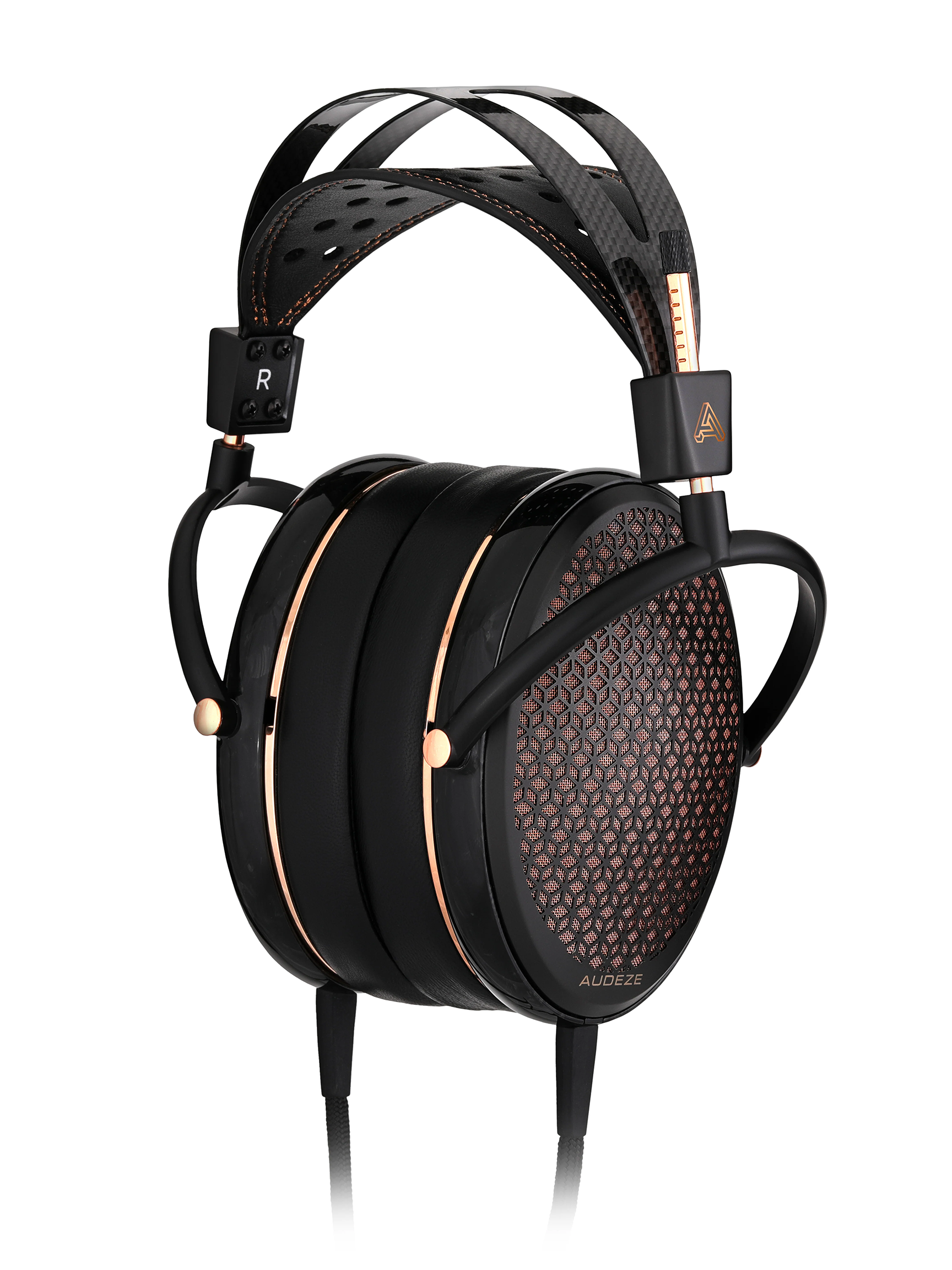
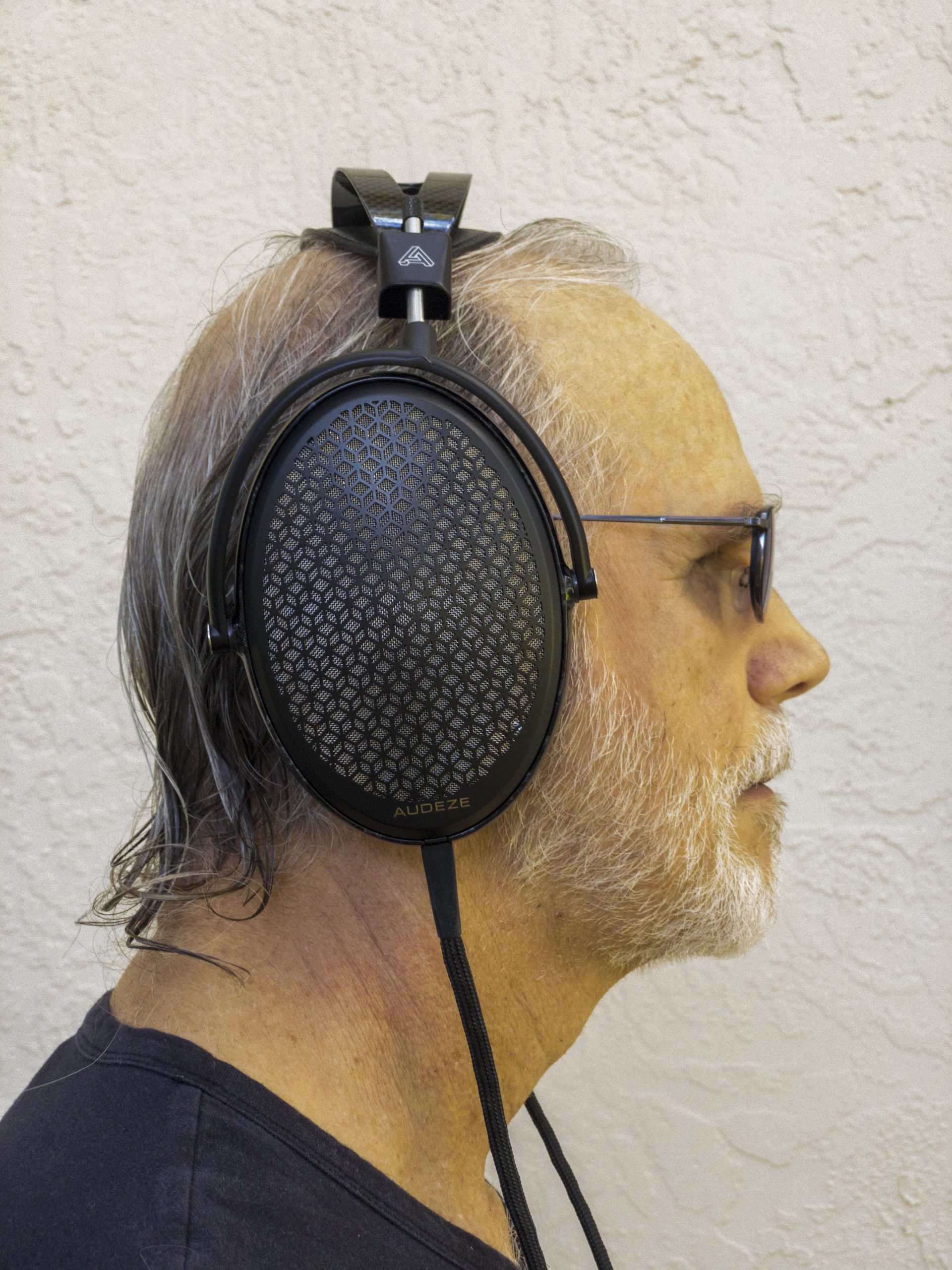
The Audeze CRB2 x headphones
I sort of “retired” the Stax 007 in 2021 when Audeze introduced their first EStat phone, the CRBN, which sounded to me superior to the Stax: warm, full and clear. And eventually the CRBN-2, which introduced superior bass response, got rid of the Stax fart (ask me about that another time!) and is, I think, the current ne plus ultra in EStat phones.


The second revolution in headphone technology, planar magnetic, didn’t take off till about 2009, when Audeze introduce the LCD-2. EStats still exhibit better air and high frequency extension, but until the CRBN-2, generally poorer bass. I continued to prefer the tradeoff and stuck with my Stax 007 until the CRBN were introduced.
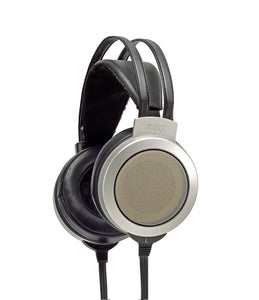
This year is the 26th birthday of my Stax 007 phones, so I decided to pull them from a cabinet after sitting 5 years. Listening to them turns out to be a pleasant surprise: These phones have somehow “matured” over the years: They sound warmer and fuller than they were 26 years ago. I wonder if the gold flashing on the diaphragm has slightly worn off, but anyway, for some reason they have lost their ugly brightness and have gained a little more bass by contrast.
At this point I’m pleased to say the aged Stax 007 MkII sounds like a little brother to my Audeze CRBN-2. It’s a very pleasant phone to listen to now. Since the CRBN technology uses embedded Carbon nanotubes in the diaphragm I don’t expect it to age like the Stax has, apparently. So if, like me, you put away your older Stax phones, maybe it’s time to revisit.
You may find an old friend has matured quite nicely.