Listening Adventures and Impressions - Considering the Gold Note's Performance as a Standalone Component
Because I am new to high-resolution streaming sources, I am exploring every aspect of the Gold Note's performance in day-to-day use, so I can find out what it's like to live with it.
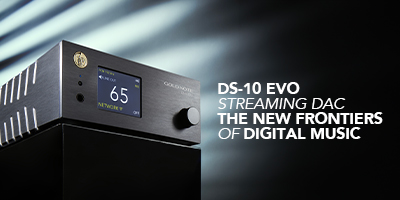
I spent a lot of time trying to bracket the performance of the Gold Note DS-10 EVO DAC and PSU-10 EVO power supply with established sources that I have much more experience with.
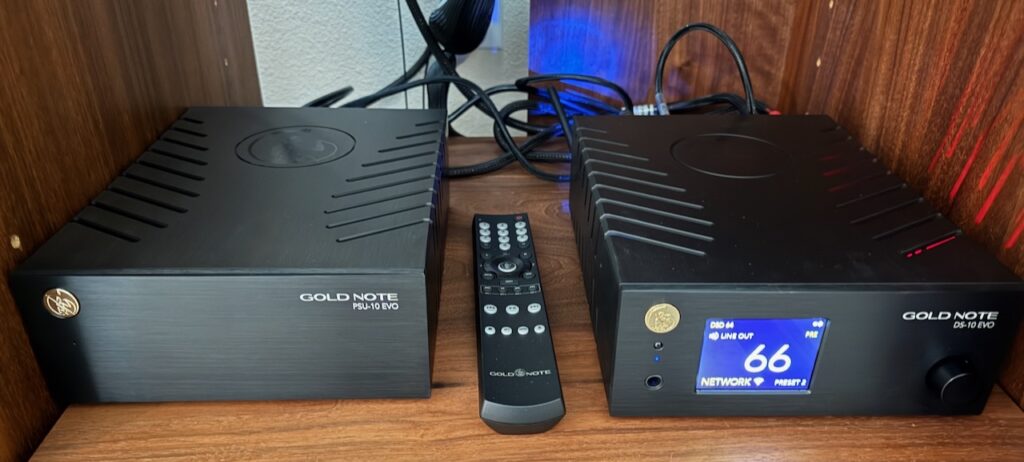
Where does the Gold Note fit in? First of all, for 16-bit/44.1 kHz PCM playback, I think one is better off with a good CD player that possesses a wide listening window. There's a large amount of important music across the acoustic, electrical, magnetic, and digital eras of recording that are not available for streaming, and are only available on CD.
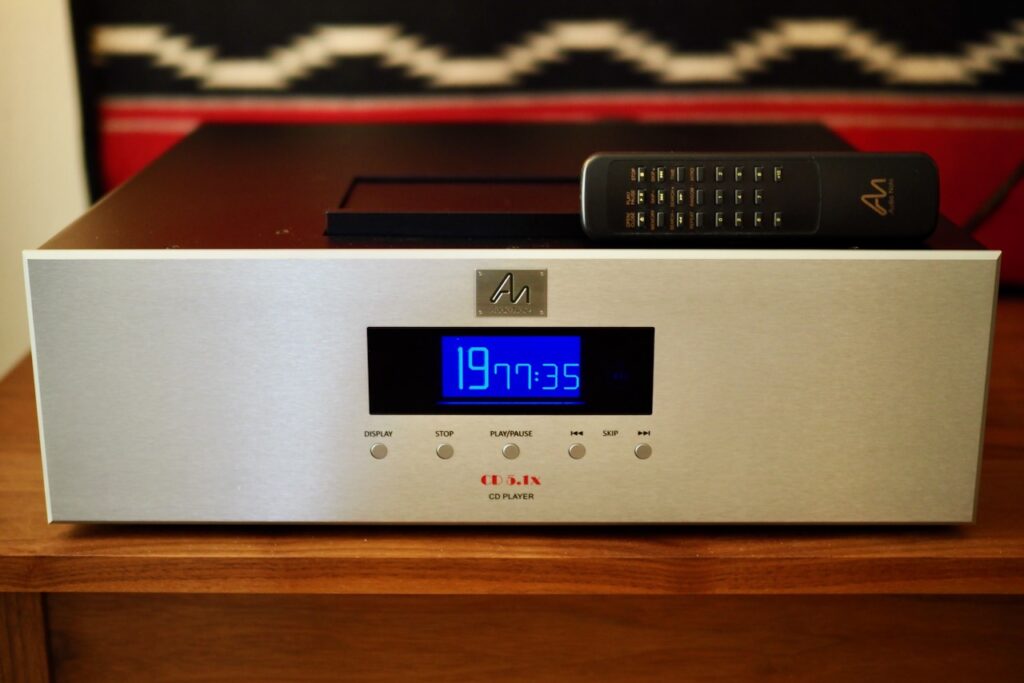
You can stream 16-bit/44.1 kHz PCM music with the Gold Note, but that is not its forte. I would place it at a performance level zero for that, with a demerit for having a narrow listening window.
While this is a personal preference, I would rather have physical media in the form of CDs in my musical library than files located on an SSD.
Secondly, when the Gold Note is streaming well-mastered high-resolution PCM or DSD albums, it sounds excellent, with performance comparable to a vinyl source in the $25,000 to $30,000 USD range.
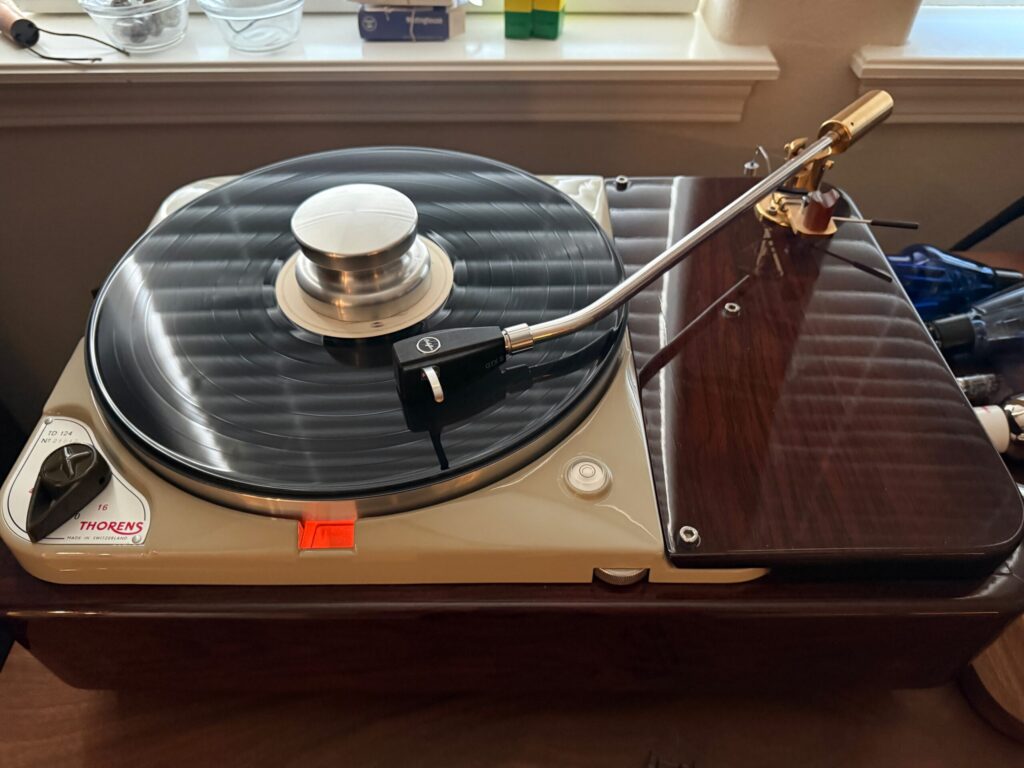
Still, as with CDs, I'd rather have LPs in my music library than files located on an SSD. However, when the LPs I want for my library are not available, then having them as high-resolution PCM or DSD files would be handy.
When the Gold Note is streaming well-mastered high-resolution PCM or DSD albums, it sounds excellent, but it is no match for vinyl sources playing LPs in the $100,000 USD and above range. It's not even close. Granted, that is not a price range everyone will be able to access, but if you can, then you'll experience a considerably higher performance level.
So where does that leave us? During my time with it, I came to the conclusion that comparing it to other sources—vinyl in particular—may not the best way to think about the Gold Note DS-10 EVO DAC with its PSU-10 EVO power supply, because that's not where its performance strengths lie.
Where I found the Gold Note DS-10 EVO DAC with PSU-10 EVO power supply to really shine was in exploring music on Qobuz, where there is an almost unlimited library of music to experience.
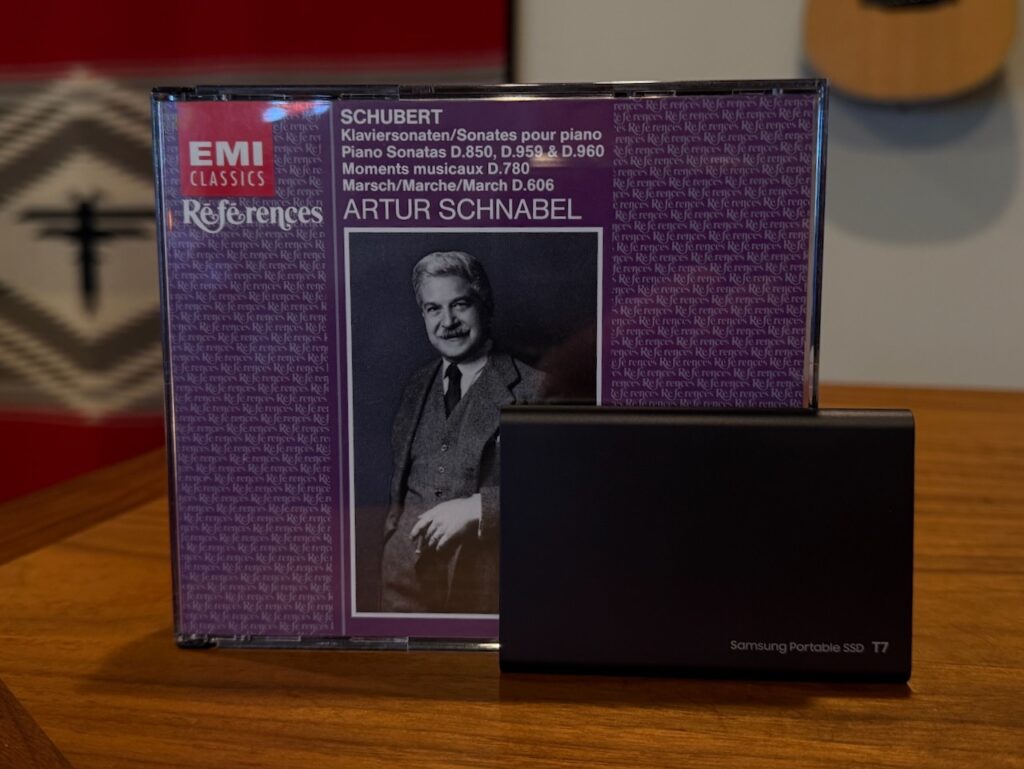
Let me give you a recent example: I've been buying rare out-of-print CDs of the great pianist Artur Schnabel (above). Most of these recordings are from the electrical era of recording, but the sound quality is quite good, and Schnabel's performances are out of this world!
Imagine my surprise when, just for kicks, I searched Qobuz for Artur Schnabel albums. I wasn't expecting to find any, but there were quite a few, and that impressed me.
Some of the more obscure music from the acoustic and electrical eras of recording might not be there, but there's lots of good albums to check out.
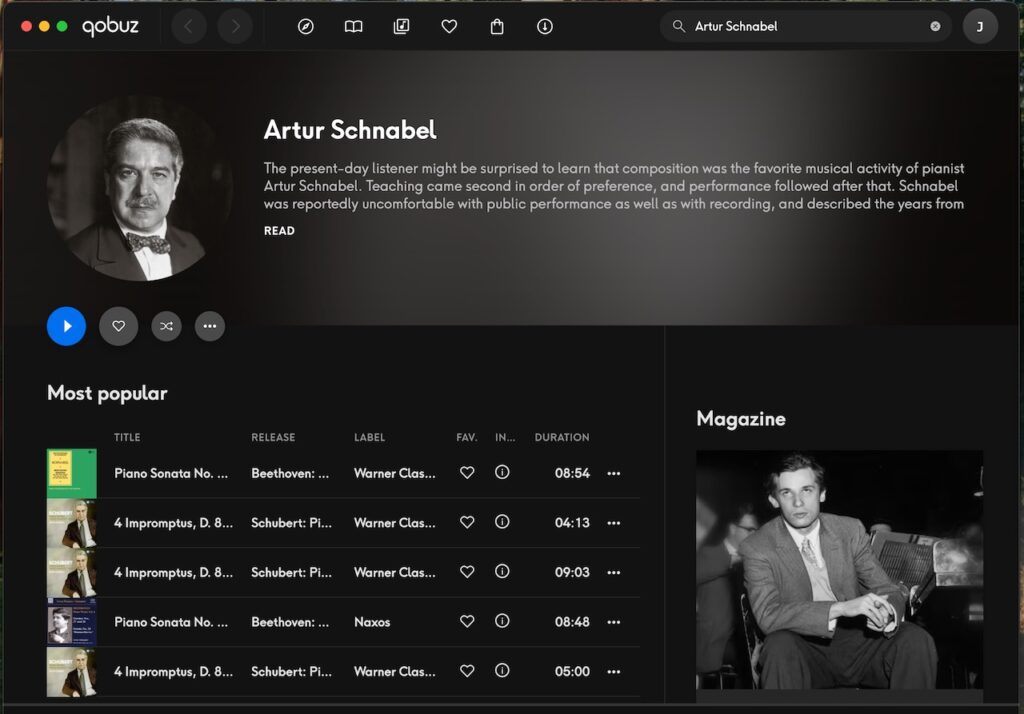
Most of the PCM files on Qobuz you can listen to for free with a subscription aren't the highest-resolution PCM files available for said albums; those you have to purchase. Also, there aren't DSD files to stream for free, those you have to buy.
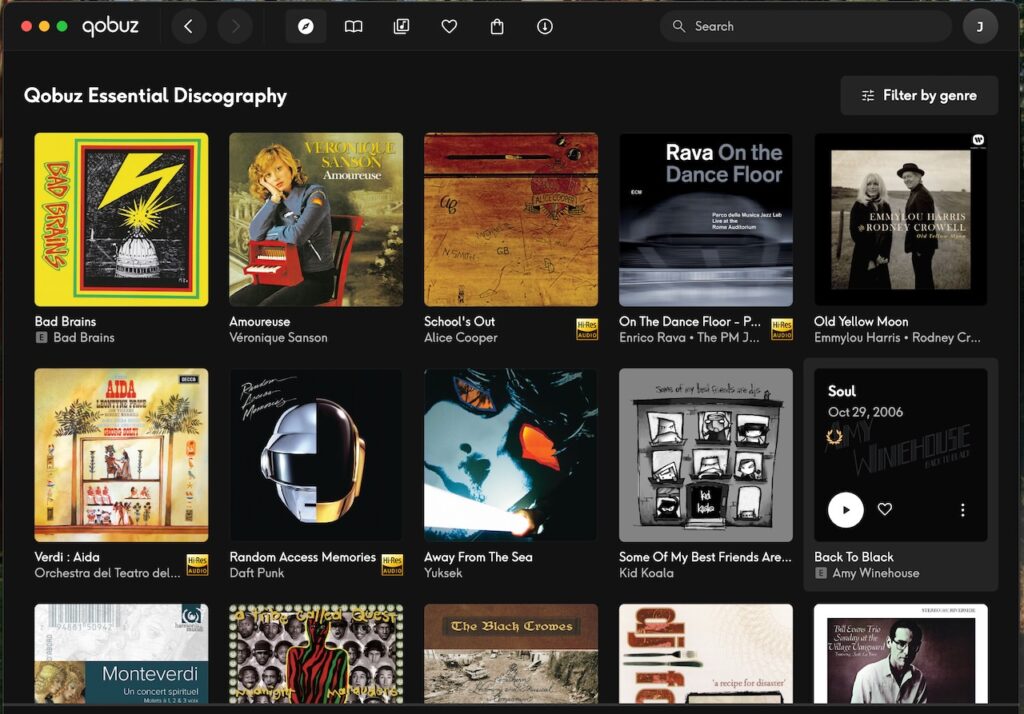
So what is it like streaming the PCM files on Qobuz you get to listen to for free with a subscription? Well, the 16-bit/44.1 kHz PCM albums are nothing to write home about, but some of them do sound pretty good, which are typically the kind of albums that audiophiles enjoy listening to from the stereo magnetic era of recording.
The higher-resolution PCM files - 24-bit/48.0 kHz being the most typical—are mostly capable of sounding pretty good, and some of them sound very good.
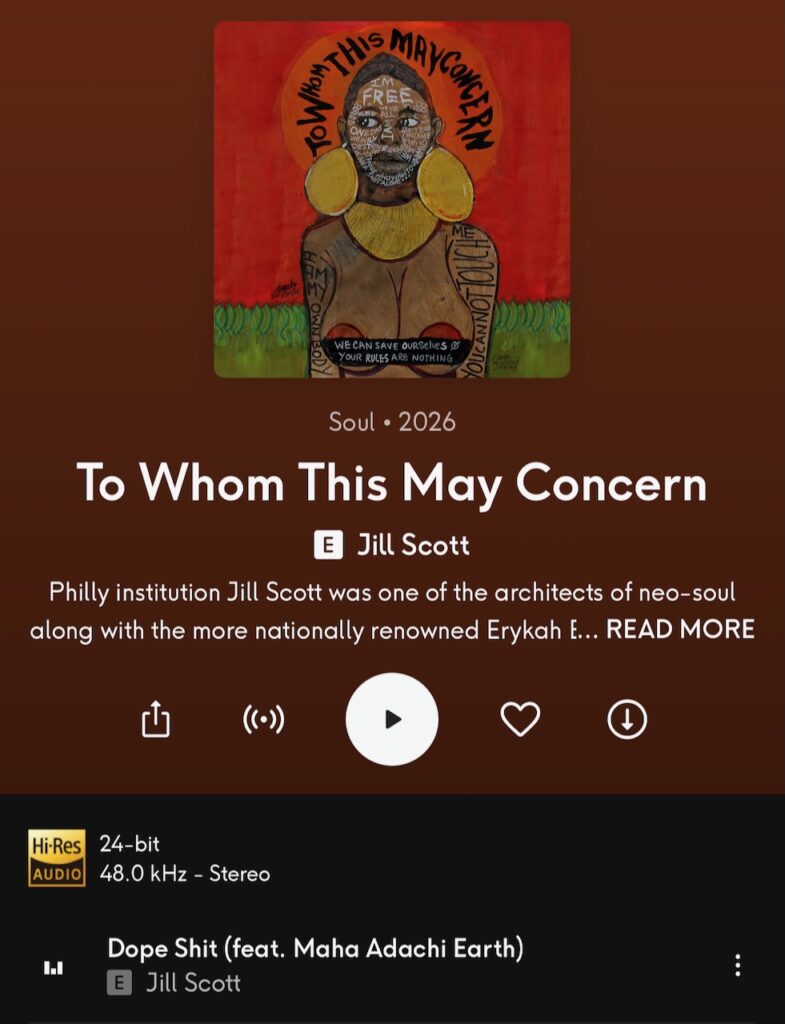
Qobuz does an excellent job covering new album releases, and I have to say I am unfamiliar with most of the new releases, but the Gold Note combo allowed me to explore a bunch of newly released music that I've never heard before—that's cool!
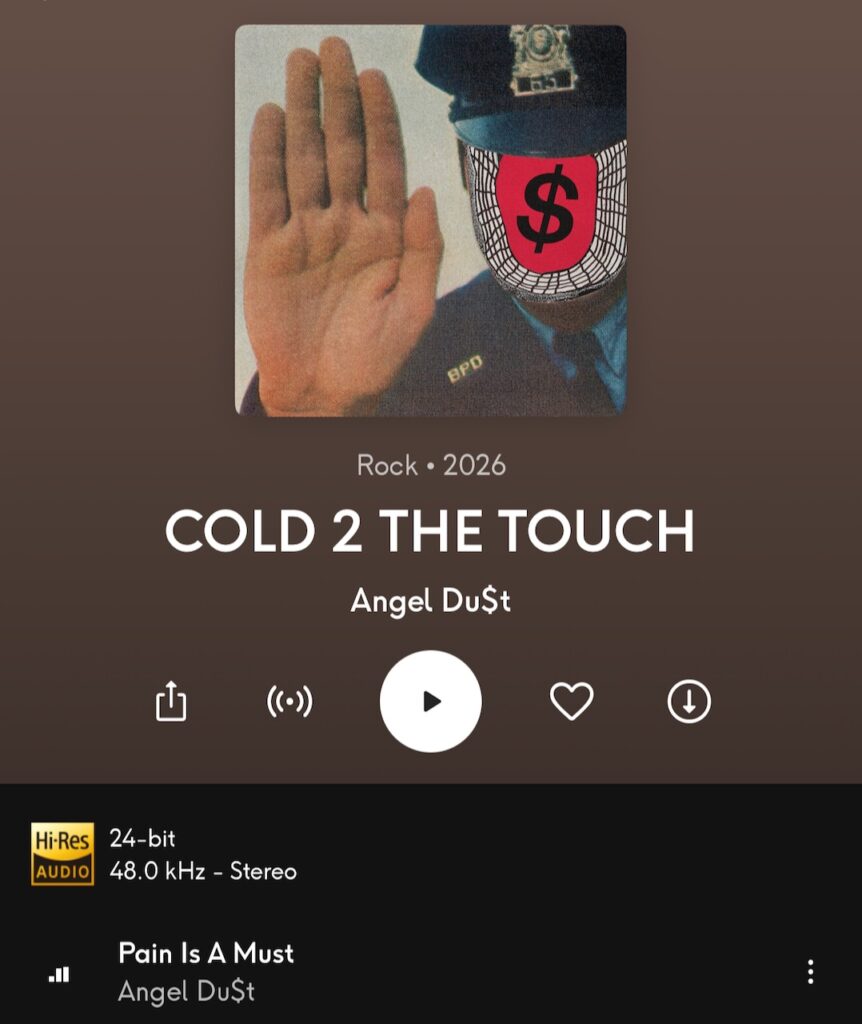
Exploring new music in high-resolution with the Gold Note combo is its superpower. I don't really do that with CDs or LPs much anymore, as I tend to buy and listen to what I know I'll like, but with the Gold Note, checking out new albums is easy and fun to do.
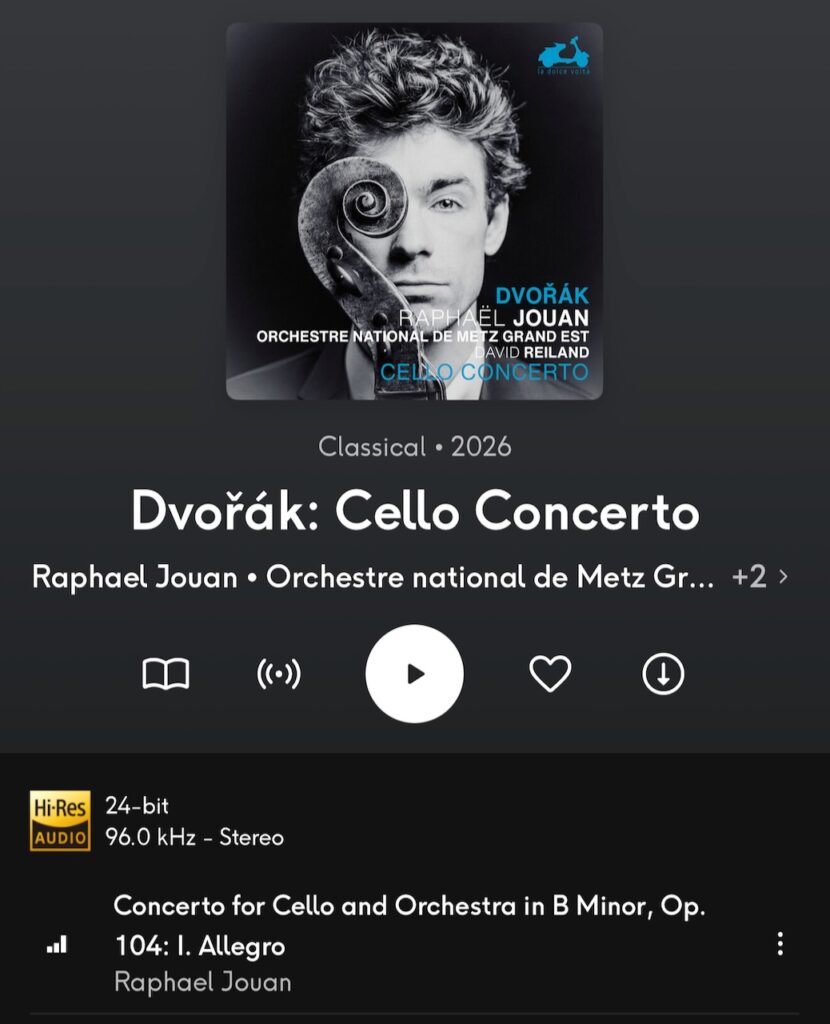
I like to scroll through Qobuz's new releases and check out music that is completely unfamiliar to me. Sometimes I'll find one I like, and if it's available as a CD or LP, then I can add it to my physical media music library or not.
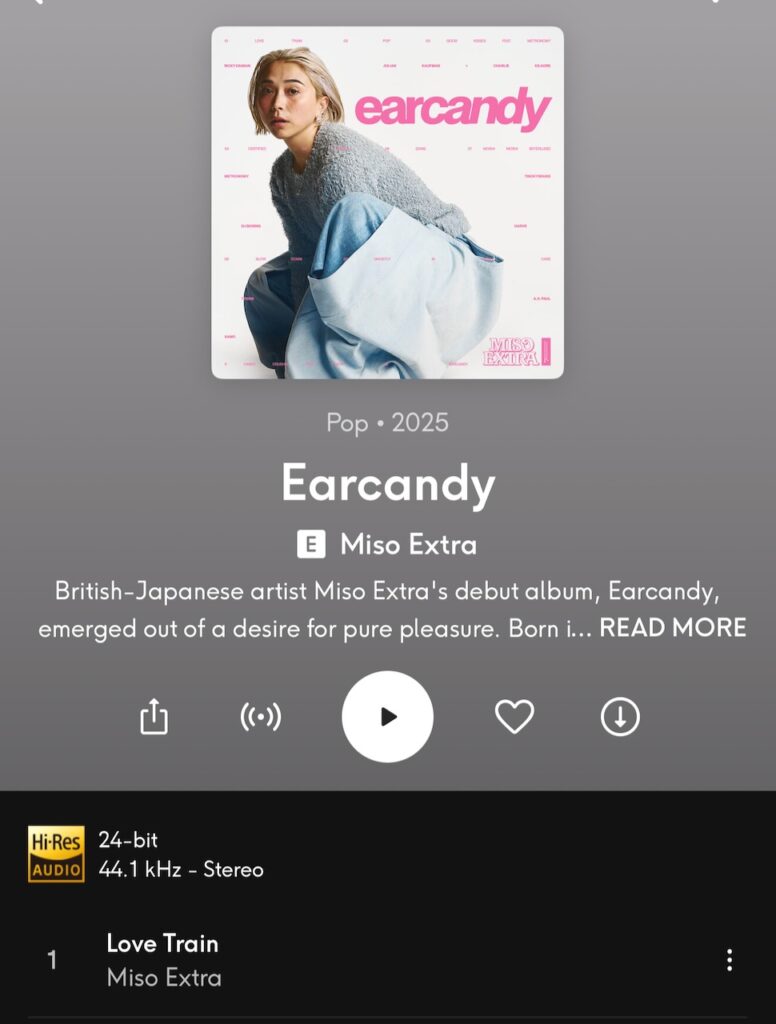
A case in point is Miso Extra's new debut album Earcandy. I wouldn't even know about Miso or Earcandy if I hadn't listened to it streamed through the Gold Note combo via Qobuz.
Miso Extra's new album Earcandy is fun and creative music, and I dig it! Yeah! Thanks Gold Note!
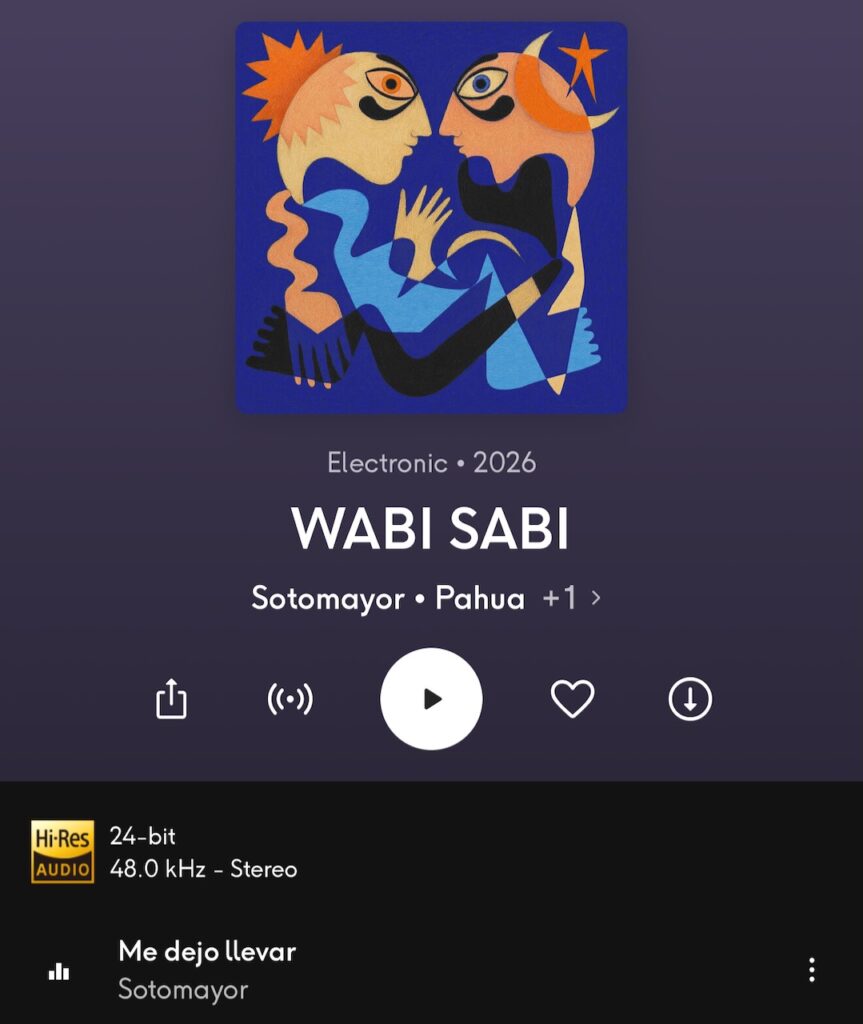
I suspect a lot of these new albums are recorded in high-resolution PCM or DSD, and the amount of manipulation with multiple tracks and multiple instruments they exhibit is pretty impressive, with all kinds of wild visuospatial effects that will surely wow us audiophiles, as with Sotomayor et al's Wabi Sabi.
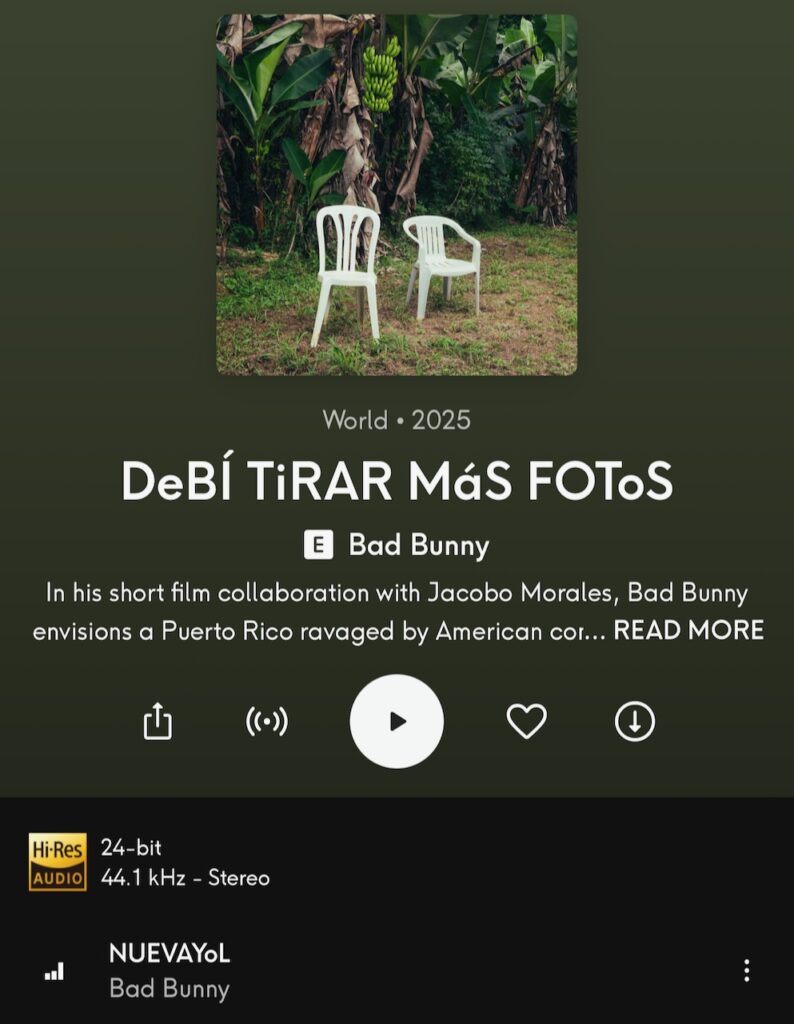
Sometimes us long-time audio guys start thinking there's no new, good, creative musicians putting out albums.
It's not true, there's all kinds of great new albums from musicians I've never heard of, until I started streaming their albums from Qobuz through the Gold Note DS-10 EVO DAC with PSU-10 EVO power supply. Qobuz is educational for us audio nuts!
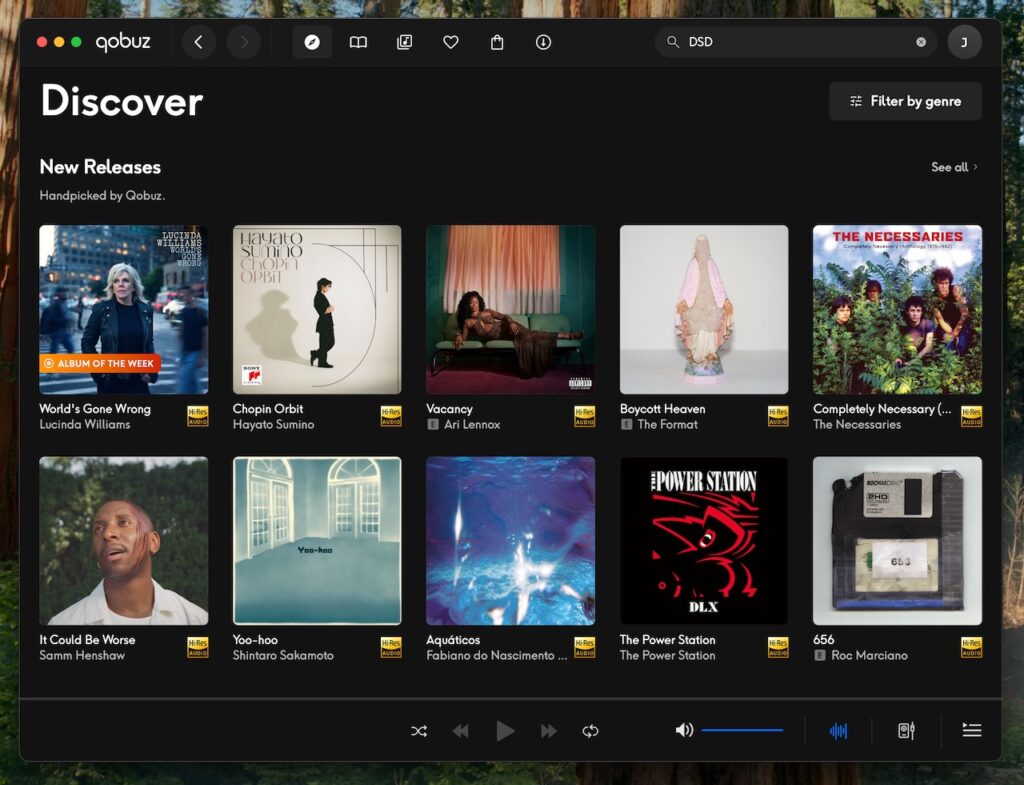
What about streaming DSD? Probably the best approach is to stream albums in PCM on Qobuz first, and if you really, really like the album, then you can purchase the album in DSD, and build a DSD music library of your favorite albums.
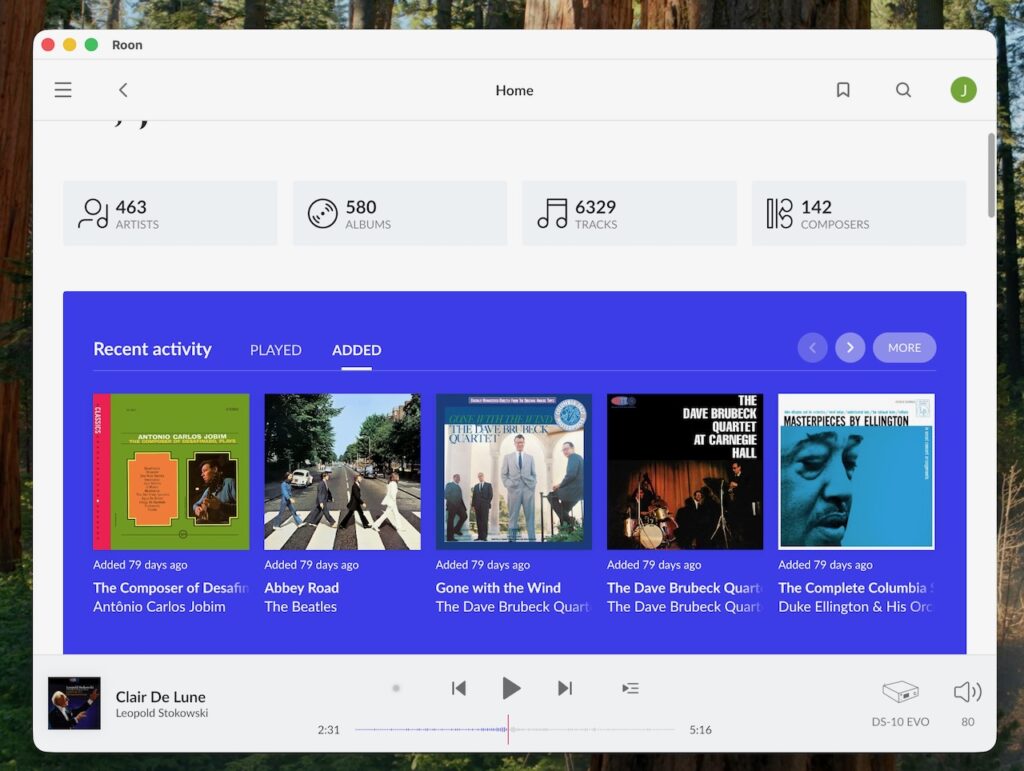
So is there a place in my audio systems for a high-resolution streamer like the Gold Note DS-10 EVO DAC with PSU-10 EVO power supply? Yes, absolutely there is!
I've really enjoyed my time with the Gold Note DS-10 EVO DAC with PSU-10 EVO power supply, and it's a whole new category of source component that I appreciate.
In some ways, streaming high-resolution PCM or DSD albums reminds me of good FM tuners from the days of yore, except I get to be the DJ picking out the titles to program for play. Good stuff!
Please click on the link below to go to the final page.