
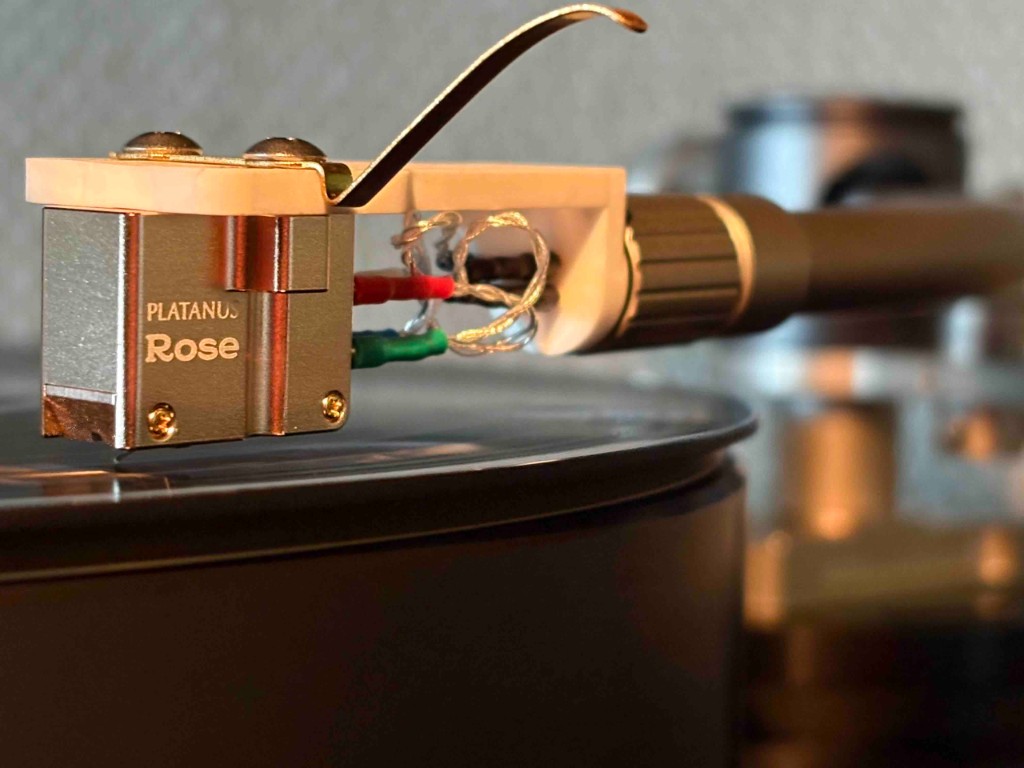
"The tonality is really good, better than most MCs at any price,” Alexey Kornienkov wrote on Facebook. “A joy with voices and acoustic instruments. Good tonality sometimes comes at the expense of resolution, but not in this case."
Also known as Alex Korf, he had presented alongside the acclaimed audio journalist, Michael Fremer, in an expert panel presentation entitled, “Frontiers in Modern Groove Extraction" at HIGH END 2026 in Vienna. Just last year, I reviewed his Korf Audio HS-A02 Ceramic Headshell that I use with my turntable, and now he penned this about a moving coil phono cartridge I'd never heard of, the Platanus Rose. That caught my attention.
"It is very resolving, state of the art," he continued. "Yet it is uncanny at making silk purses out of sow's ears—not something I expected from a top shelf MC. And the bass! Bass! Not too lean, not too full, just enough and of very high quality. Not your typical MC bass at all. It is perhaps not the ultimate rock cartridge, but the acoustic and vocal genres are served well by it. And it's also very "listenable", not tiring even after a full day. If most of your collection is 1950s to 1970s jazz, chamber, vocals etc., you should really give the Platanus Rose a listen."
Intrigued, I reached out to him, and he put me in touch with Henry Lee, a respected Hi-Fi turntable and analogue dealer and distributor whose company, HK68, is based in Hong Kong.
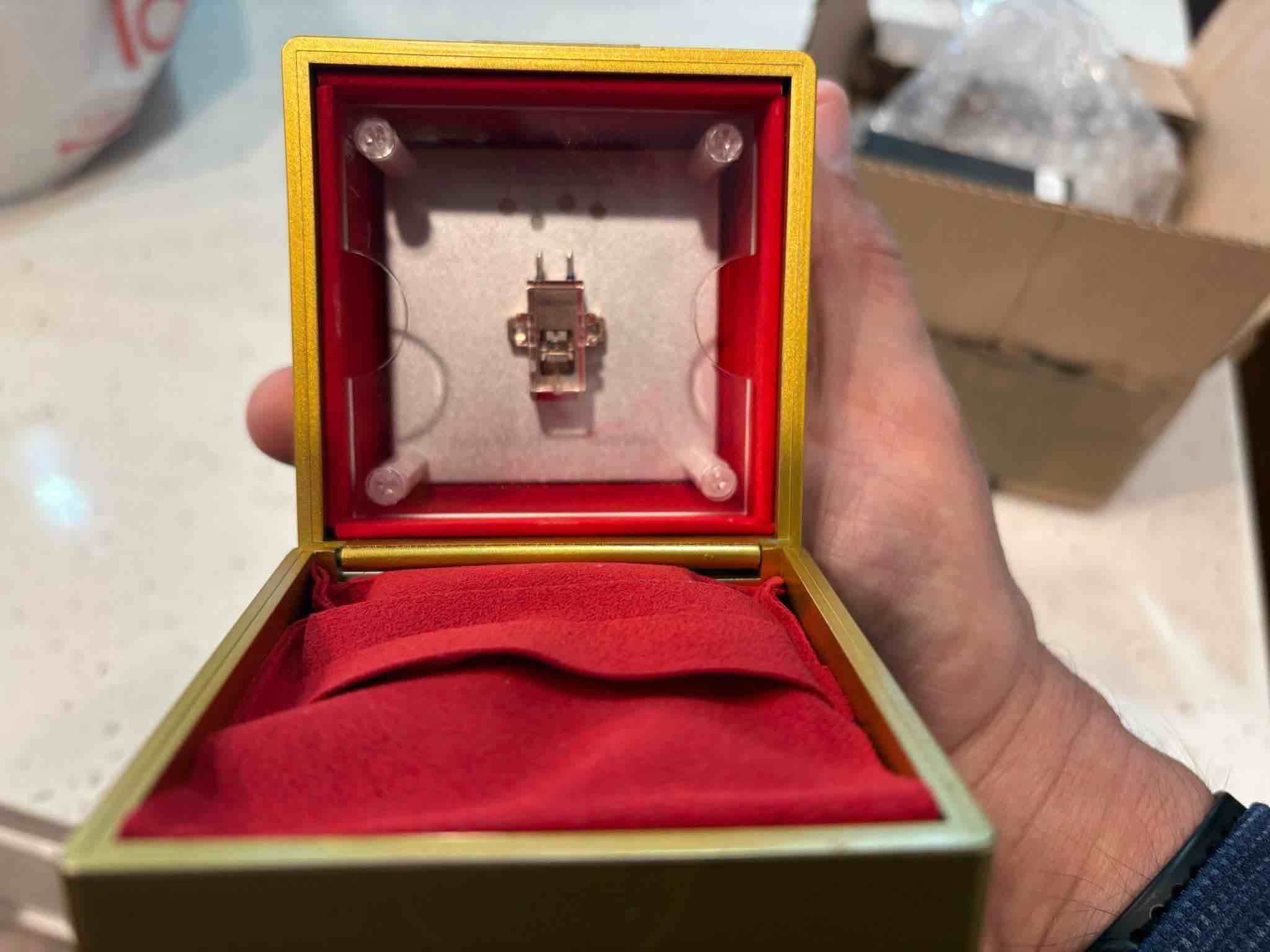
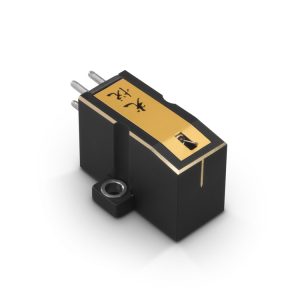
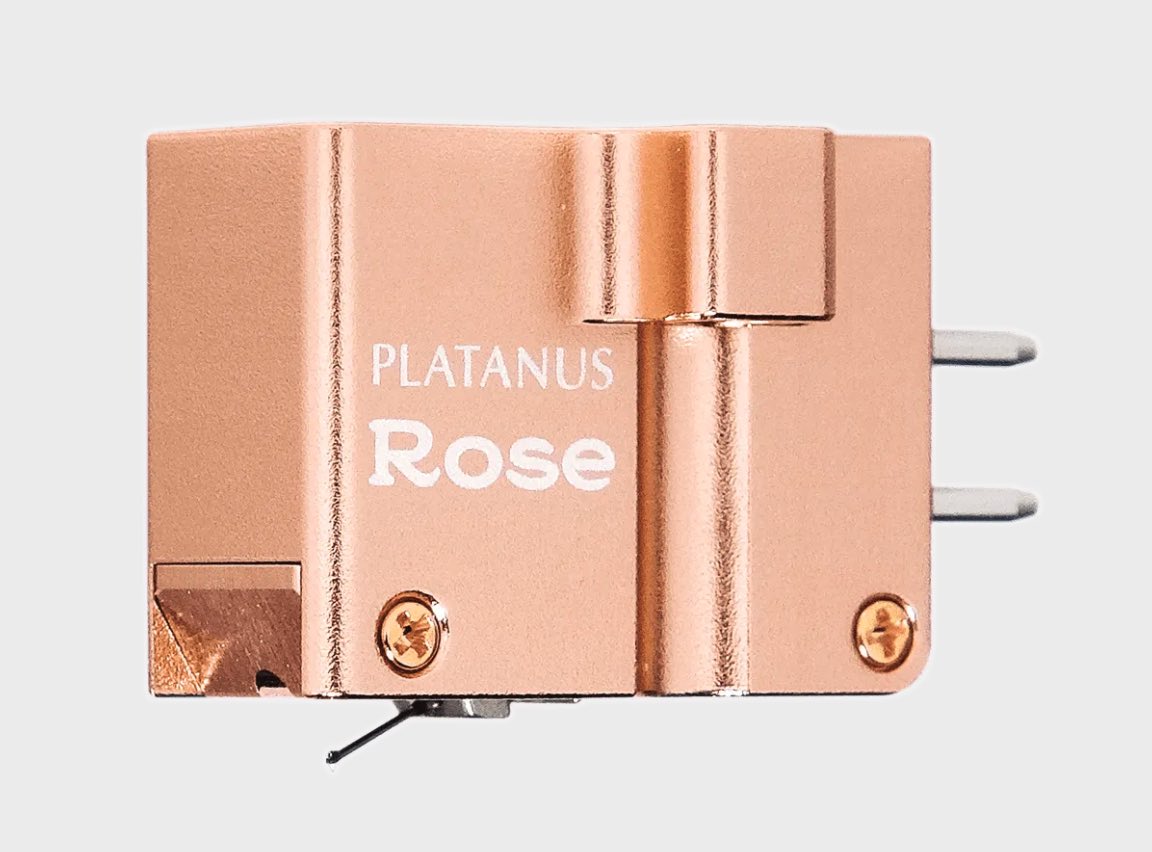
The Platanus Rose comes in a jewelry-like, rose gold-colored aluminum alloy body with a rigid A7075 aluminum alloy base plate that's squarish and has modern, clean, utilitarian lines with tapped half-inch mount holes to either side on top. It arrived at my home in early March, double-boxed, secured behind a plexiglass barrier in a lovely gold-painted wooden box with red felt lining.
At roughly 1" H x 5/16" W x 1"D, some salient features include:
- Bobbin Construction: Unlike conventional cartridges that use heavy iron squares or cross-blocks, the Rose uses two separate hollow bobbins windings made of polycarbonate—which is nine times lighter than iron—to hold the finely wound coils, allowing the coils to react with far greater agility to the grooves.
- Mechanics: The internal generator, which converts the physical vibrations of a record's groove into a usable electrical signal, is designed to work like an exact mirror of the LP lathe that originally cut the master record, minimizing audio distortion (www.vinyl.com)
- Cantilever: Crafted from Boron, which provides a high degree of rigidity and speed.
- Stylus Profile: Features a micro-ridge/line contact diamond tip measuring 3 μm × 30 μm.
- Coils & Magnet: Employs high-purity copper windings.
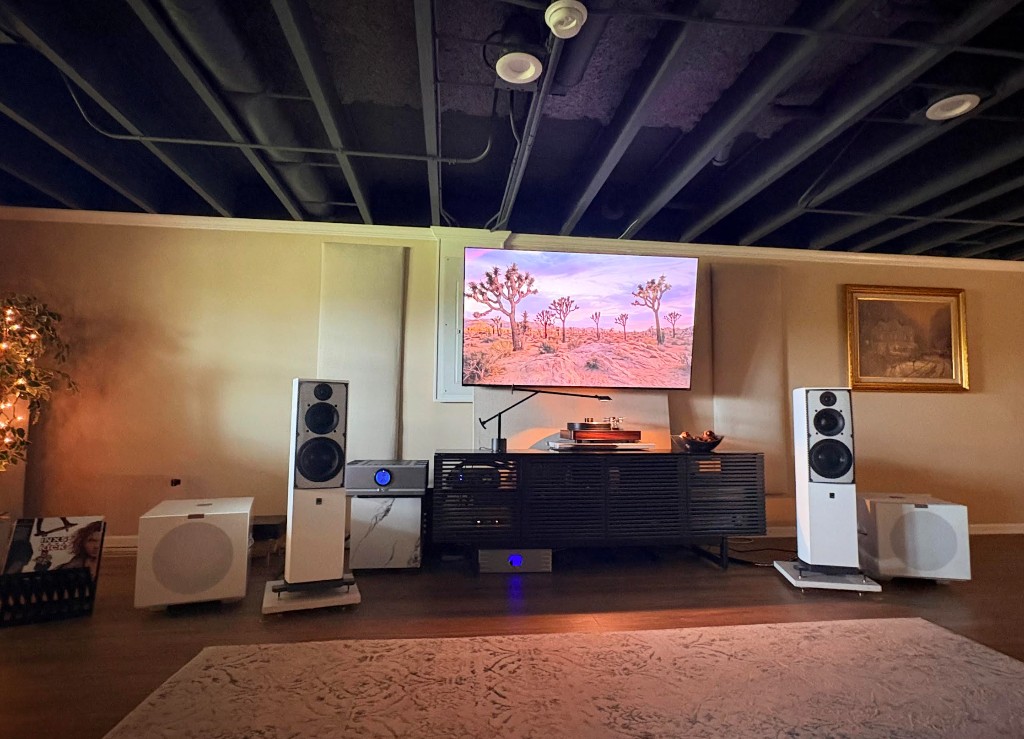
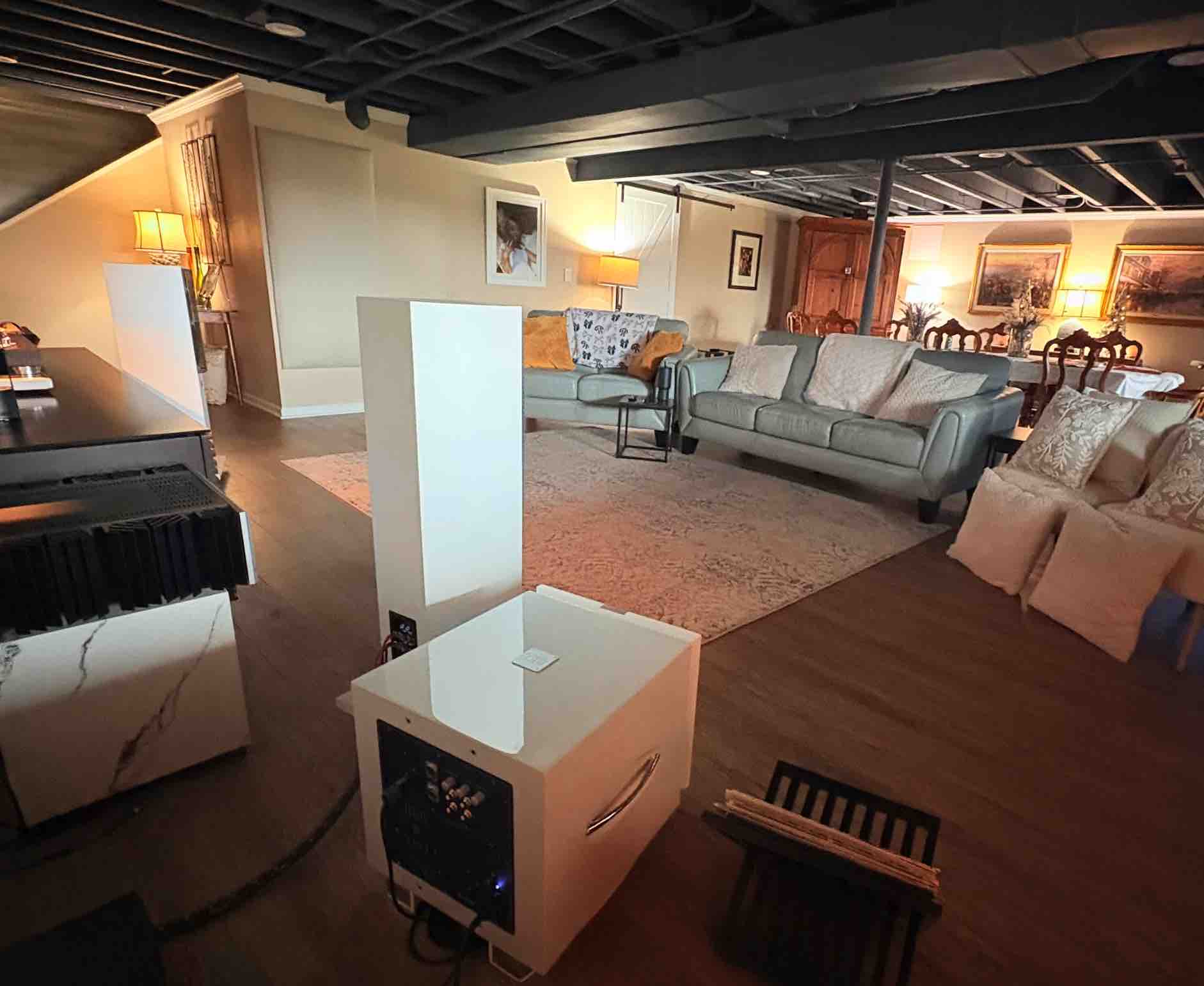
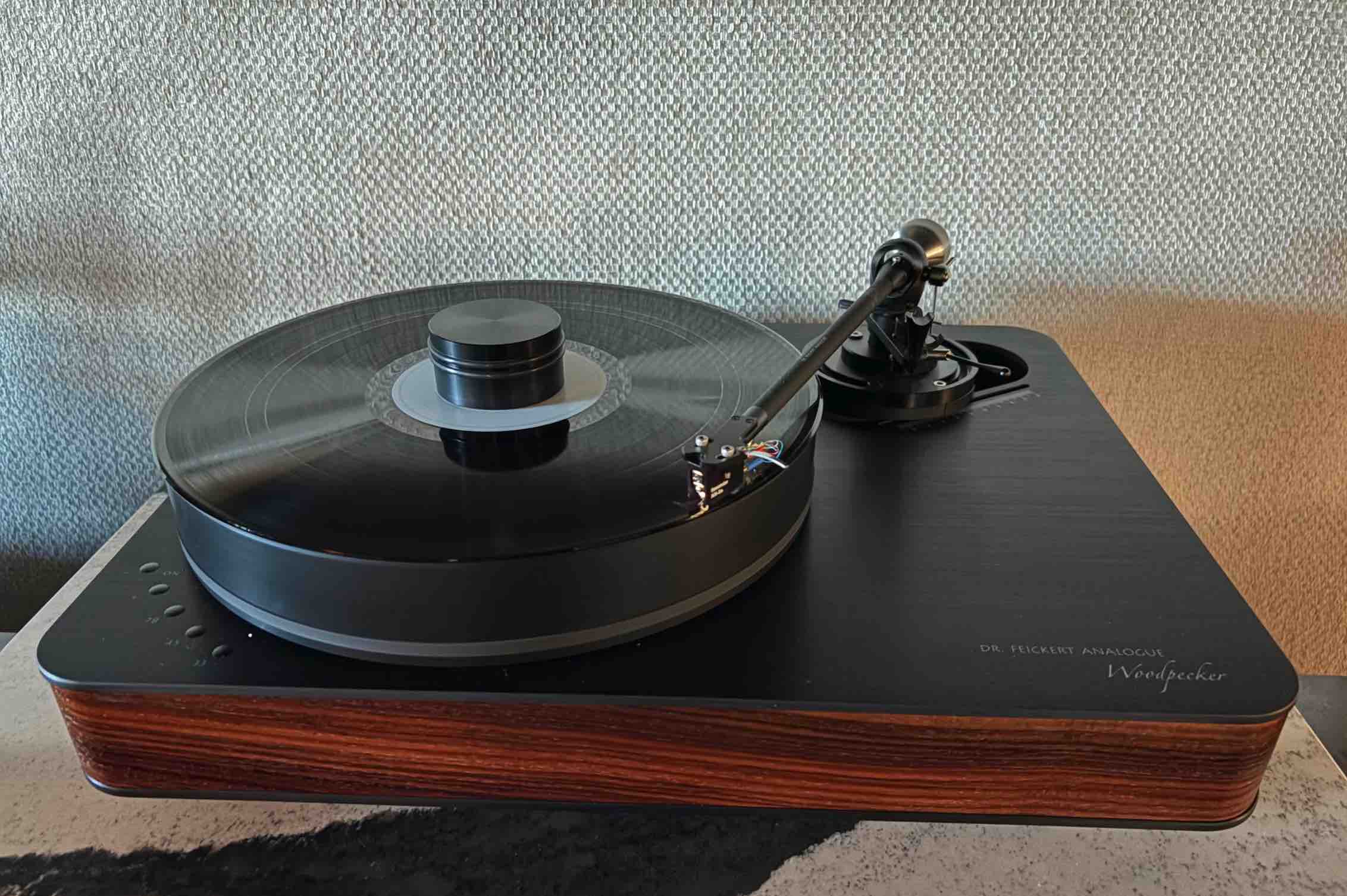
Playing over my ATC SCM40 loudspeakers, I found the Platanus Rose phono cartridge not only excellent with vintage records, but a wide variety of genres in my collection—especially jazz, folk, and pop—on my former turntable, the Micro Seiki BL-91, that I recently sold, and my new reference, the Dr. Feickert Analogue Woodpecker turntable (you can read about my system and room by clicking on my byline at the beginning of this article). Due to a backlog of reviews, family, and career commitments, this review was put off until recently, when my schedule opened up. But before diving into its performance, the question begs asking, who makes the Platanus Rose phono cartridge?
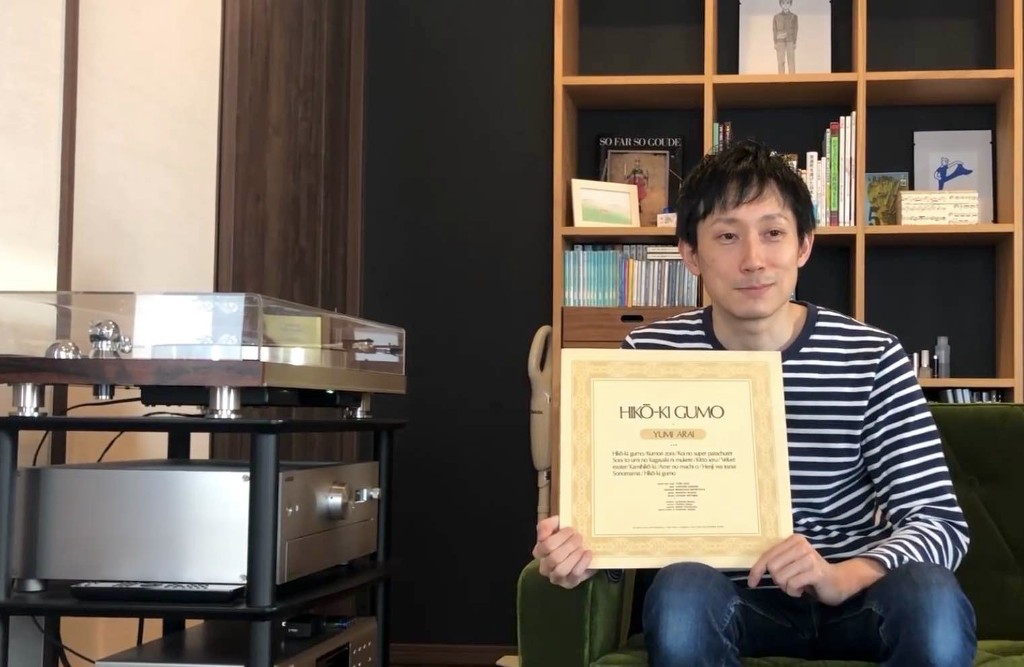
Tetsuya Sukehiro is the designer of the Platanus Rose (Still Image from "Interview with Mr. Tetsuya Sukehiro," Jilco YouTube channel).
The Platanus Rose moving coil (MC) phono cartridge is the brainchild of Tetsuya Sukehiro, a Japanese analog audio designer who has spent most of his career specializing in MC phono cartridges. Not widely known outside the high end analog community, he has become respected among cartridge enthusiasts for combining traditional Japanese cartridge craftsmanship with modern engineering.
Early Education and Career
Mr. Sukehiro graduated with his Electrical Engineering degree from Ikuei Technical College in 2000. Then in 2002, he worked for IT Industry Co., Ltd. in the contract manufacturing division for audio equipment, giving him hands-on experience with cartridge production, precision assembly, and analog playback technology. During this period, he became involved in OEM (original equipment manufacturer) phono cartridge work, developing cartridges for a number of audio brands rather than selling products under his own name.
In 2012, he left the OEM world and established himself as an independent cartridge specialist, and, four years later in 2016, he launched the Platanus brand.
Work on the Miyabi/Fuuga Lineage
One of the more significant projects associated with Sukehiro before he established Platanus was the development of the Fuuga MC Cartridge. After legendary cartridge designer Haruo Takeda retired, Sukehiro worked with analog specialist Osamu Nagao to create a cartridge inspired by the celebrated Miyabi designs.
The project began as an attempt to recreate Miyabi cartridges, but evolved into a new design because some original materials and manufacturing methods were no longer available. Sukehiro served as the engineering and design lead, translating Nagao's sonic goals into a manufacturable product.
This experience helped shape his later philosophy: preserving musical expression and dynamics rather than pursuing specifications alone.
Creation of the Platanus Brand
Since Sukehiro founded Platanus in 2016, his company's stated philosophy has been "being faithful to the music itself." Rather than chasing exotic materials for marketing purposes, he emphasizes mechanical integrity, low coloration, and realistic musical reproduction.
Platanus' initial cartridge, the 2.0S, was engineered around an unusually rigid magnetic circuit structure. One of Sukehiro's design signatures is machining the magnetic assembly from a single iron block rather than assembling it from multiple pieces in order to improve rigidity and control vibration.
Reviewers have noted that his cartridges tend to avoid flashy design elements and instead focus on neutrality, dynamics, and a sense that the cartridge "disappears" from the playback chain.
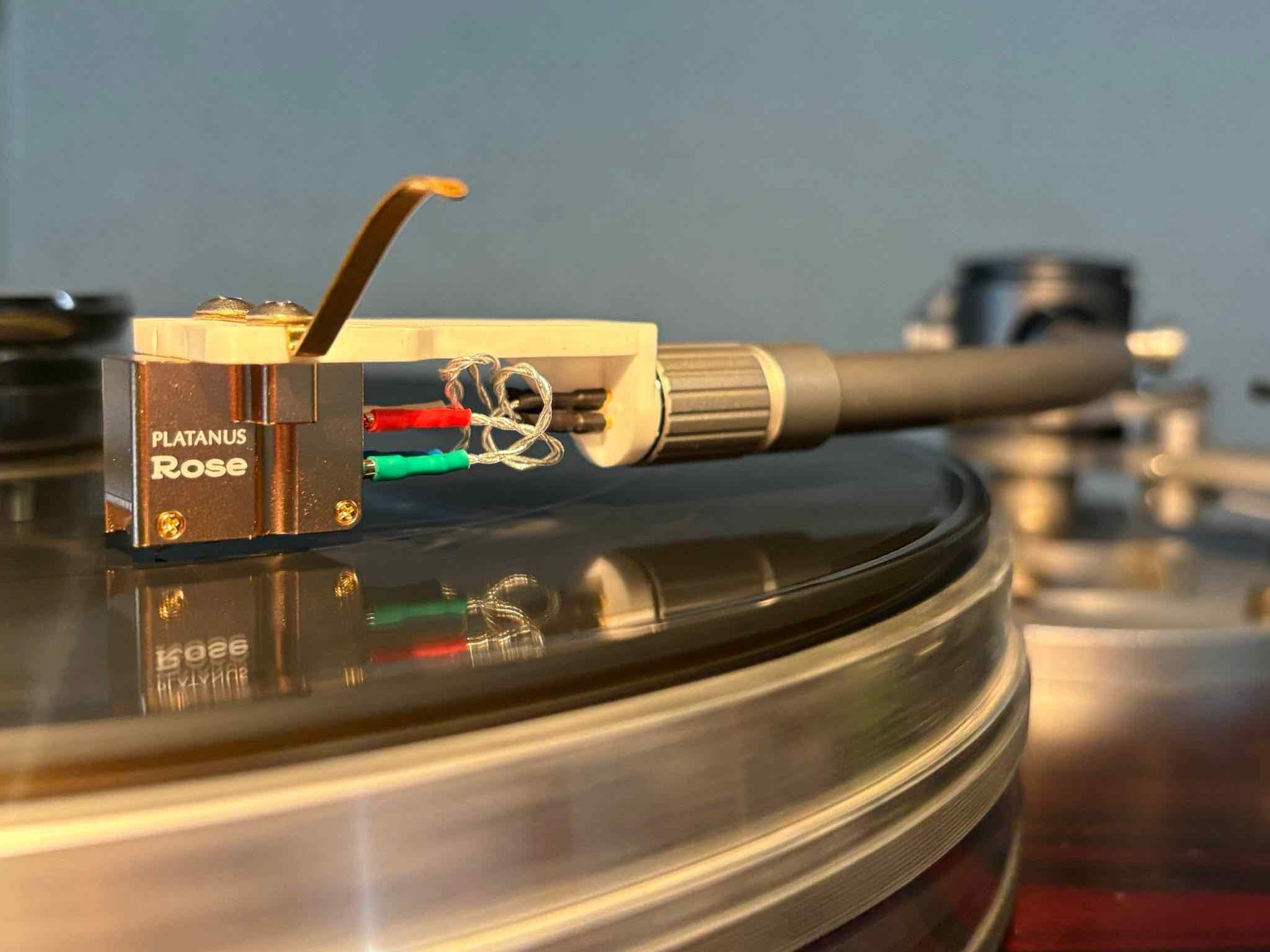
The Platanus Rose Cartridge
The Platanus Rose is a newer moving-coil cartridge and is listed by Platanus as an export-only model.
"I should let you into a little secret: the Platanus Rose is actually a very special project that we personally requested Sukehiro-san to custom-make for us," Henry Lee wrote me. "That’s why we are the exclusive seller worldwide." He also added that they currently don't have a U.S. distributor yet.
The Platanus Rose is a more advanced design than the original Platanus 2.0S and incorporates several upgrades. Its specs include:
| Type | Moving Coil (MC) |
| Output | 0.45 mV |
| Internal impedance | 4.4 Ω |
| Cantilever | Boron |
| Stylus | Line-contact diamond (3 × 30 μm) |
| Tracking force | 1.8–2.2 g |
| Weight | 11.6 g |
The use of a boron cantilever is notable because boron offers greater stiffness and lower moving mass than aluminum, potentially improving transient response and detail retrieval. The Rose targets listeners seeking higher resolution while retaining the natural tonal balance that characterizes Sukehiro's designs.
Design Philosophy
Several undergirding themes recur in Sukehiro's work:
- Faithfulness to the musical performance rather than hi-fi spectacle.
- Mechanical rigidity and vibration control as foundations of cartridge performance.
- Hand-built, low-volume production rather than mass manufacturing.
- A preference for extracting musical expression and dynamics from records rather than emphasizing analytical detail alone.
Summed up, Sukehiro's career path from OEM cartridge designer, to collaborator on prestigious Japanese analog projects, and finally to founder of Platanus—a boutique cartridge maker whose products have gained increasing recognition among the vinyl enthusiasts community in Europe and Asia has been a quietly successful journey so far.
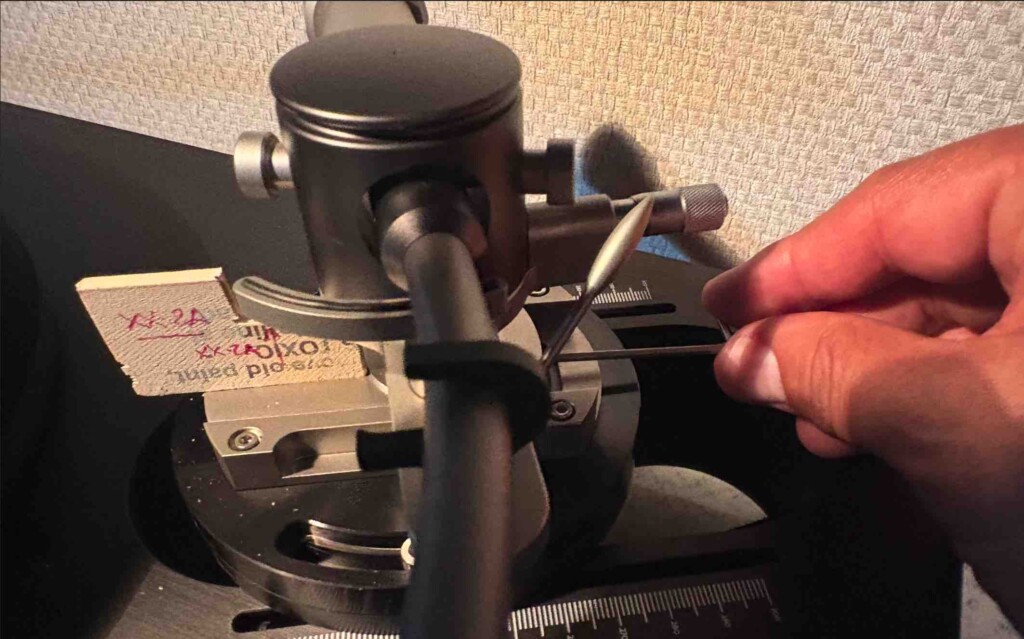
Using wooden templates cut to the proper tonearm heights made adjusting the VTAs a breeze for A/B comparisons!
Listening Notes:
During my listening tests, I compared the Platanus Rose cartridge ($7500) with my reference, the Dynavector XX-2A MC cartridge ($2250) mounted on a Korf Audio HS-A02 Ceramic Headshell, the Audio Creative GrooveMaster 3 Tonearm, and the Dr. Feickert Analogue Woodpecker Turntable. I mounted the Platanus Rose onto a second Korf Audio HS-A02 headshell for continuity and convenience for easier swap out.
To ensure faster Vertical Tracking Alignment (VTA) adjustments for A/B comparisons, I repeatedly played Carly Simon's title track from the Mobile Fidelity Sound Lab 45 RPM reissue of her Album, Anticipation, making minute adjustments up and down for the Platanus Rose cartridge, and after I found what sounded best to my ears, I first measured the distance from the base of the tonearm to the protruding bottom of the tonearm collar using a transparent acrylic Elvon Azimuth/VTA ruler. I transferred that measurement to a short cutout piece of a wooden paint stirring stick, made a squarish cutout above that mark, checked and trimmed it down with a razor blade so it just fit under the tonearm collar for a perfect height template. I did the same with the Dynavector XX-2A. Thus, quick VTA adjustments were quick; I loosened the hex grub screw with the 2 mm Allen wrench, tucked the appropriate template under the tonearm collar, raised or lowered the tonearm so its collar rested on the template, and locked it back down. (Afterwards, a friend suggested I could do the same thing with a pack of cards; just count the cards used for each VTA adjustment—oye!)
The process was tedious: I played a reference song with one cartridge, scribbled observations, replaced the reference record with a throwaway disc, unscrewed the locking collar, inserted and locked in the second cartridge (previously aligned with a protractor), adjusted the VTA with the appropriate template, adjusted the tracking force to 2.10 grams (give or take a gram) using the tonearm's counterweight and a digital stylus force gauge set atop a throwaway record (the Platanus Rose weighs 11.6 grams versus the Dynavector's XX-2A's 8.9 grams), removed the throwaway, re-plattered the reference record, hit "play", lowered the needle, and made additional observations.
Oh, and did I mention that the Platanus produces slightly higher gain than the Dynavector? Using the RTA Real Time Analizer app on my iPhone, I volume-matched the two by setting the Pass Labs XP-12 preamp volume at 69 for the former, and 71 for the latter.
I became adept at making the tracking force adjustments fairly quickly to reduce reliance on auditory memory. Nevertheless, I used multiple back-and-forth comparisons between both cartridges for each track to cement my observations. For example, I compared playback of Carly Simon's "Anticipation" between the two cartridges six times.
Also, I feel that it's important to note that the Dr. Feickert Analogue Woodpecker turntable presented a more full and robust balance down through the midrange, mid-bass, and bass regions than my former reference, the Micro Seiki BL-91, which was more treble-balanced in comparison. This may be largely due to its Inertia Platter; made of heavy Delrin (Poly-oxy-methylene) and embedded with eight MS58 brass weights along its outer edge, at 13.2 lbs., it acts like a flywheel for improved speed stability, reduced wow and flutter, and enhanced smoothness and bass response.
The Woodpecker turntable was linked to a Quadratic Audio Moving Coil Transformer via an Audio Arts Cable prototype phono cable, which in turn connected to a Pass Labs XP-17 phono preamplifier, then to the Pass Labs XP-12 preamplifier, the Pass Labs X150.8 amplifier, and ATC SCM40 loudspeakers via a loom of Straight Wire Cables; a pair of REL S/812 subwoofers augmented the sound via their proprietary high-level connection Speakon cables.
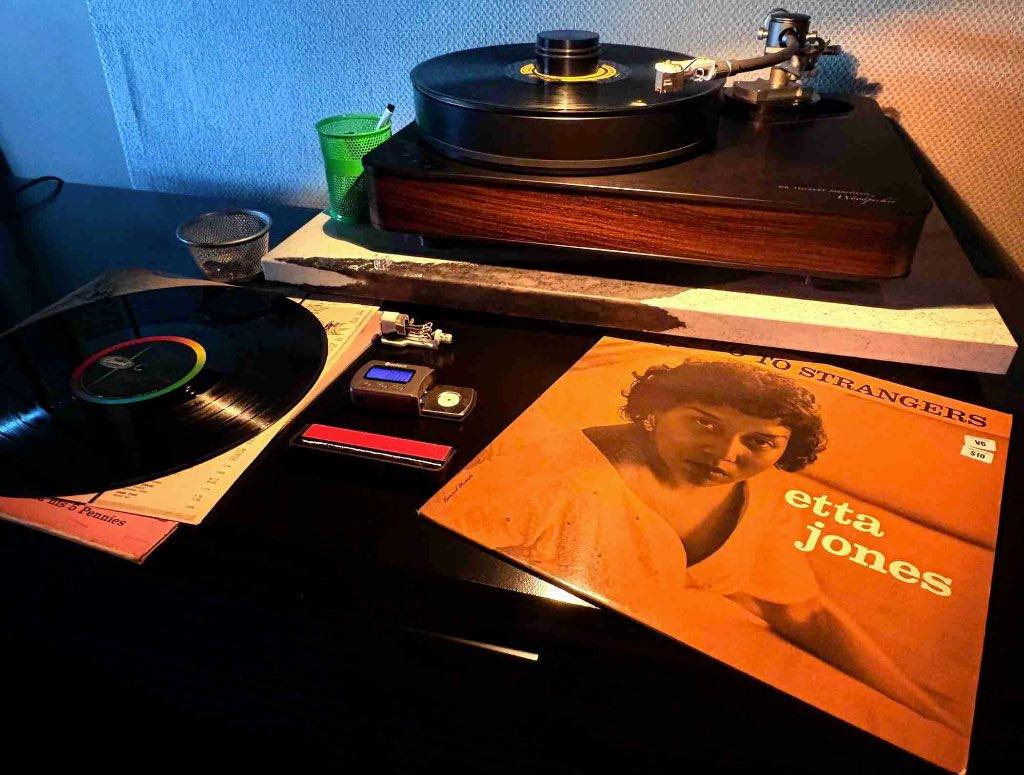
The Listening Sessions

Listening to Carly Simon's "Anticipation" on Mobile Fidelity Sound Labs 45 RPM reissue, with the Dynavector XX-2A, Jim Ryan's acoustic guitar vamp has a crisp attack rife with detail. Carly Simon's vocals are clear and lucid, tender in the opening moments, but build in strength as she sings the title lyrics, "Anticipation," and onwards (Simon, Carly. Anticipation. Mobile Fidelity Sound Lab, 2026. MFSL 2-631). Andy Newmark's snare and floor toms are especially punchy, the latter loud and visceral. Paul Glanz' piano and bass are very present in a clear mix.
With the Platanus Rose, the acoustic guitar, Simon's vocals, and the piano sound slightly brighter. The high frequency harmonics, grit, and texture of strummed guitar strings have more detail and definition. Cymbals are a touch brighter, and there's a little more separation between the instruments. Overall, the Rose delivers a slightly more treble balance and edge than the XX-2A, while still capturing the dynamic punch of the snare and floor tom. In contrast, the XX-2A sounds a little more organic with Simon's vocals and instruments. Possessing a more midrange and mid-bass balance, it's not quite as detailed in the treble regions of the Ryan's guitar attack, for example.

Tim Farriss' glassy, twangy-toned Fender Stratocaster riff, paired with Jon Farriss's punchy and thunderous snare and kick drum, grab you. And then Michael Hutchence's belting baritone vocals reel you into the mix of this Aussie pop rock band's mega-hit, "New Sensation" (INXS. Kick. 1987. Vinyl 33 1/3. Rhino High Fidelity, 2026). There are a lot of similarities between the Planatus Rose and Dynavector XX-2A; the attack of Farriss's drums and the bass line carry weight and slam, while the timbre of Hutchence's vocals are well articulated. The Platanus Rose, which continues to render a slightly more treble balance, provides a lustrous, vivid look into the mix, with excellent instrumental separation—especially during the cacophonous band crescendos when the hook, "A new sensation, a new sensation" is repeated. With the XX-2A, there's a shade less treble definition but more focus on lower frequencies. For example, Hutchence's vocals have a little more vocal saturation while slightly rolled-off in the highs.

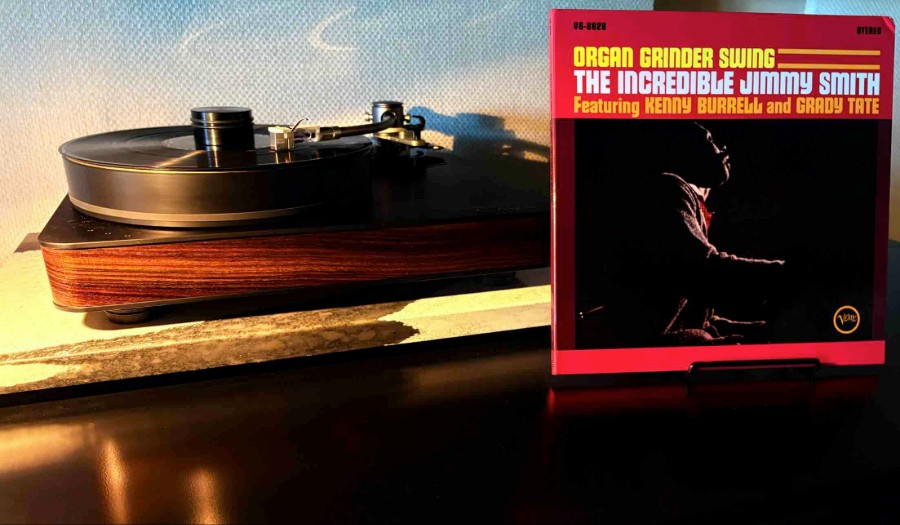
Set against a subdued backdrop of horns, Alto saxophonist Phil Woods soft introduction to "Ol' Man River" perks up moments later; comped by the bright trumpets of Doc Severinsen, Joe Newman, Ernie Royal, and Joe Wilder, he unleashes a flourish, only to be overtaken by the lush, low warm tones of Jimmy Smith's Hammond B-3 organ solo (Smith, Jimmy. Bashin': The Unpredictable Jimmy Smith. 1962. Verve Records, 2026. Acoustic Sounds Series, AVER 98903). Arranged and conducted by Oliver Nelson, the star-studded big band cast of saxophones, trumpets, and trombones are fleshed-out with rich detail, depth, and fullness as this band's performance unfolds. George Duvivier's bass and Ed Shaughnessy's brushed drums are very clear, performing in real space.
The Platanus Rose does a stunning job of delivering this recording with detail, texture, tone, and an uncanny sense of realism. The weight and timbre of Smith's organ, the punch and crispness of brush strikes on the snare, and the subtle comps of Barry Galbraith's plucked guitar strings are prime examples. The Rose also seems a little more defined than the XX-2A in the leading edges of the saxophone, horns, and Jimmy's Hammond B-3.
With the XX-2A, I am especially impressed when listening to the bass and snare accompaniment with Smith's B-3 solo, bright bursts of trumpets, trombones, and saxophones, as well as its broad soundstage and overall tonal balance.

Scant crackles and pops. Roy Haynes' brushed snare and Hi-Hat. George Duvivier's plucked double bass playing quarter notes. And the taut and powerful, hard-edged vocals of a young Etta Jones rich mezzo-soprano belting out the title lines of this vintage vocal jazz/pop standard, "Yes Sir That's My Baby" are rich and vivid—and a touch bright, courtesy of the Platanus Rose (Jones, Etta. Don't Go to Strangers. 33 1/3 Vinyl. Prestige, 1960. PRESTIGE 7186). The Platanus renders Richard Wyands' piano spritely and impactful, Frank Wess's flute natural-sounding, but also slightly bright, and Duvivier's bass sonorous with hints of texture.
Both cartridges sound amazing, but with the XX-2A, Etta's vocals have a slightly more downward tilt in the frequency response, emphasizing the midrange and mid-bass more. Ditto for Wess's flute and Wyands' piano, which has slightly less treble sparkle.
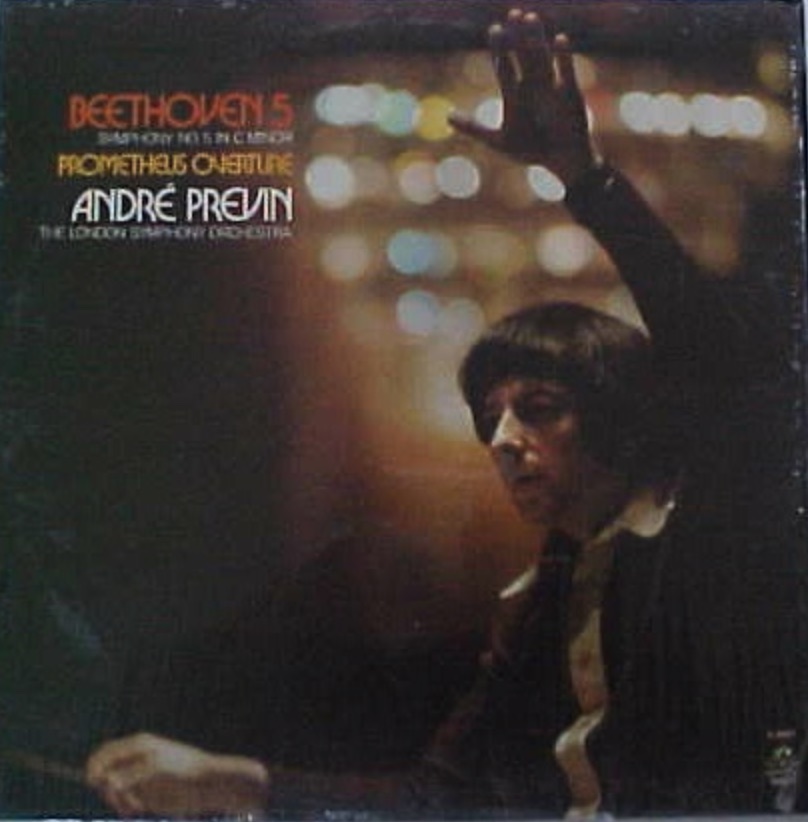
From the repeated short-short-long "Fate" motif to delicate violins, the thunderous orchestral crescendos, and fading diminuendos of Beethoven's Symphony No. 5 are breathtaking (Beethoven, Ludwig van, Symphony No. 5 in C Minor; Prometheus Overture. André Previn, London Symphony Orchestra, Warner Classics, 2019). Violins, succeeded by violas, cellos, and basses, echoed by the woodwinds and horns, and enjoined by the timpani and orchestra in successive passes astonish, as do the spatial cues of London's Kingsway Hall. With the Platanus Rose, the enhanced treble detail comes across as very organic. The separation of violins, violas, trumpets, French horns, and woodwinds—the flutes, for example—are at once very refined and natural, and the dynamic contrast excellent. Clearly, the Platanus Rose is a dark horse when it comes to delivering classical music! With the XX-2A, the weight, dynamics, and dynamic swings are viscerally impactful. Timbre is very natural and instrumental separation is also excellent, but with a hint less high frequency sparkle up top. Again, both cartridges do a wonderful job of transcribing this superb recording.
Concluding Thoughts
Clearly, its maker, Tetsuya Sukahiro, has done an impressive job of engineering his brand, earning it increased traction among vinyl enthusiasts and reviewers alike throughout Europe and Asia. And, now with a little more exposure—and a U.S. distributor—perhaps their Platanus Rose MC phono cartridge will gain the recognition it deserves in the West.
Regardless, Alexey Kornienkov was right when he praised the Platanus Rose moving coil phono cartridge for its great tonality and its resolving, and state of the art analog delivery. While not inexpensive at $7500 U.S., the Platanus Rose is an excellent cartridge for the discriminating vinyl aficionado. It handles a variety of genres with great detail throughout the entire sound spectrum, but especially in the mid-high to higher frequencies. I found it especially magical in delivering vocal and instrumental ballads, jazz, folk, and classical music. Its ability to dig out detail, separate instruments, and deliver a refined presentation is very impressive. As such, I highly recommend it for your consideration.
Platanus Rose MC Phono Cartridge
Retail $7500 U.S.
HK58
Platanus