Over the nearly 4 decades that I have been an audiophile, I have met many young fellow audiophiles who, due to dearth of funds, started their journey in this lovely hobby not with the traditional audio set-up, but rather, with a pair of quality headphones and a good source component to feed it with their favorite tunes. In the 1980s and 1990s, that source unit, very often, was a Sony Walkman or a similar component from another brand. Frankly, that is how I began my audiophile journey as well.
What many people are not aware of, is the fact that the very first headphones made their appearance in 1890 as a tool for telephone operators. Those models had a single earpiece that rested on the user shoulders and weighed around 10 pounds. These devices freed the switchboard operators' hands so that they could easily connect the wires of the telephone callers and receivers.
These then evolved into the 'Electrophone' which was developed in Britain and offered to the general public as a £5 a year subscription service which, when dialed in to a switchboard, enabled users to connect to live music performances from theaters across London, England. This was the pre-radio world and at the time, this was considered to be the state-of-the-art way of enjoying live performances without actually being at the event venue. Those devices were so bulky and heavy, they had to be held in place with a long rod that connected to the floor for support
Then in 1910, an engineer named Nathaniel Baldwin, designed headphones that look like the ones that we enjoy today. He handcrafted them one at a time at his kitchen table and they performed so well, the British Navy was motivated to order a hundred pairs. These early headphones used moving iron drivers with either single-ended or balanced armatures with voice coils wound around the poles of a permanent magnet.
Up to that point, all the headphones were mono. That changed in 1958 when John Koss achieved a paradigm shift by creating the first 'stereo' headphones with his SP-3 model. Essentially, the SP-3 was little more than mini speakers cloaked in cardboard and sofa foam. Koss was an audiophile and jazz musician, so what drove him to design the SP-3 was to achieve a better way to listen to jazz and other genres of music.
Still, hitherto, headphones were not all that popular and remained a niche market. All that changed when Akio Morita, the co-founder and President of Sony, started a revolution with the introduction of the Walkman. This tiny device went on to sell over 400 million units worldwide and the headphone piggybacked on it, to go from a niche item to a mass market item. I had the distinct honor of meeting and briefly chatting with Mr. Morita at the 1989 Consumer Electronics Show in Chicago. When I asked him, which of his products he was most proud of, he had no hesitation in saying "The Walkman, of course."
Up to the early 1940s, all headphones were heavy, sealed units. Then, in 1968, in Germany, Dr. Fritz Sennheiser introduced a paradigm shifting change when he developed the HD-414, the world's first open-back headphones, which became an instant hit especially with audiophiles. He followed it up with the HD 25, which was specifically designed for professionals in the audio industry. The durable design of the HD 25 made it the go-to model for professionals in the movie and TV production industry and with DJs.
In the 1990s, Sennheiser introduced their HD600/650 series which offered true audiophile performance at a reasonable price, and this series went on to become a staple for audiophile all over the world. This was followed by Sennheiser's 800 Series with the introduction of the HD 800 which took headphone performance to a completely new level in terms of sound quality. The HD 800S is the latest iteration of the 800 series and is regarded by many, as the best all-round performing headphone in its price range.
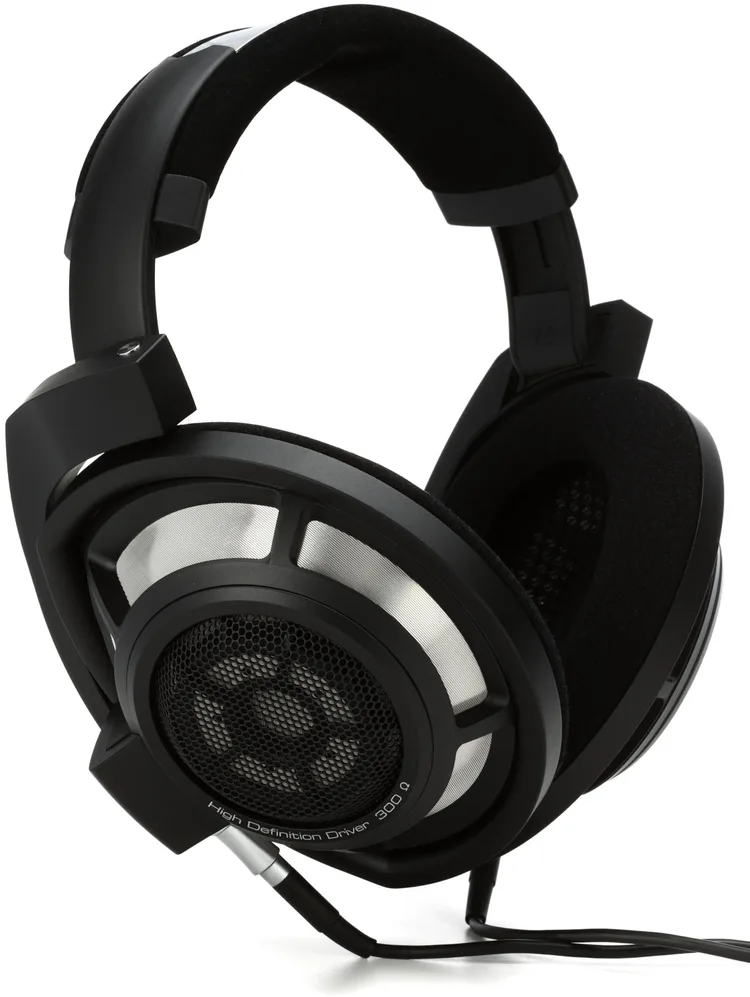
At its core, the HD 800 has an unusually large 56mm ring radiator transducer that facilitates air displacement with a high degree of control, and because it is so rigid, it improves response and rest times quite remarkably. The inner and outer edges of the ring are firmly secured to the drive unit and the extra-large 40mm voice coil which is wound in-house for greater tolerances. This voice coil excites the diaphragm which is connected to the V-shaped groove at the center of the ring. The HD 800S has a damping chassis and an inert headband insert that provides superior stability.
Every HD 800S is supplied with a frequency response plot chart unique to the headphone it accompanies; a good indication of how far Sennheiser has gone to try and optimized the end user experience.
The drivers of the HD 800S are mounted at a precise angle, guiding the sound directly to the listener's ears at their natural inflection point to create a truly remarkable soundstage. The frequency absorber technology that was developed to reduce unwanted resonances in the IE800S, has been applied to the HD 800S. This has eliminated the resonances that usually mask the minute details that make well recorded music so enjoyable to hear.
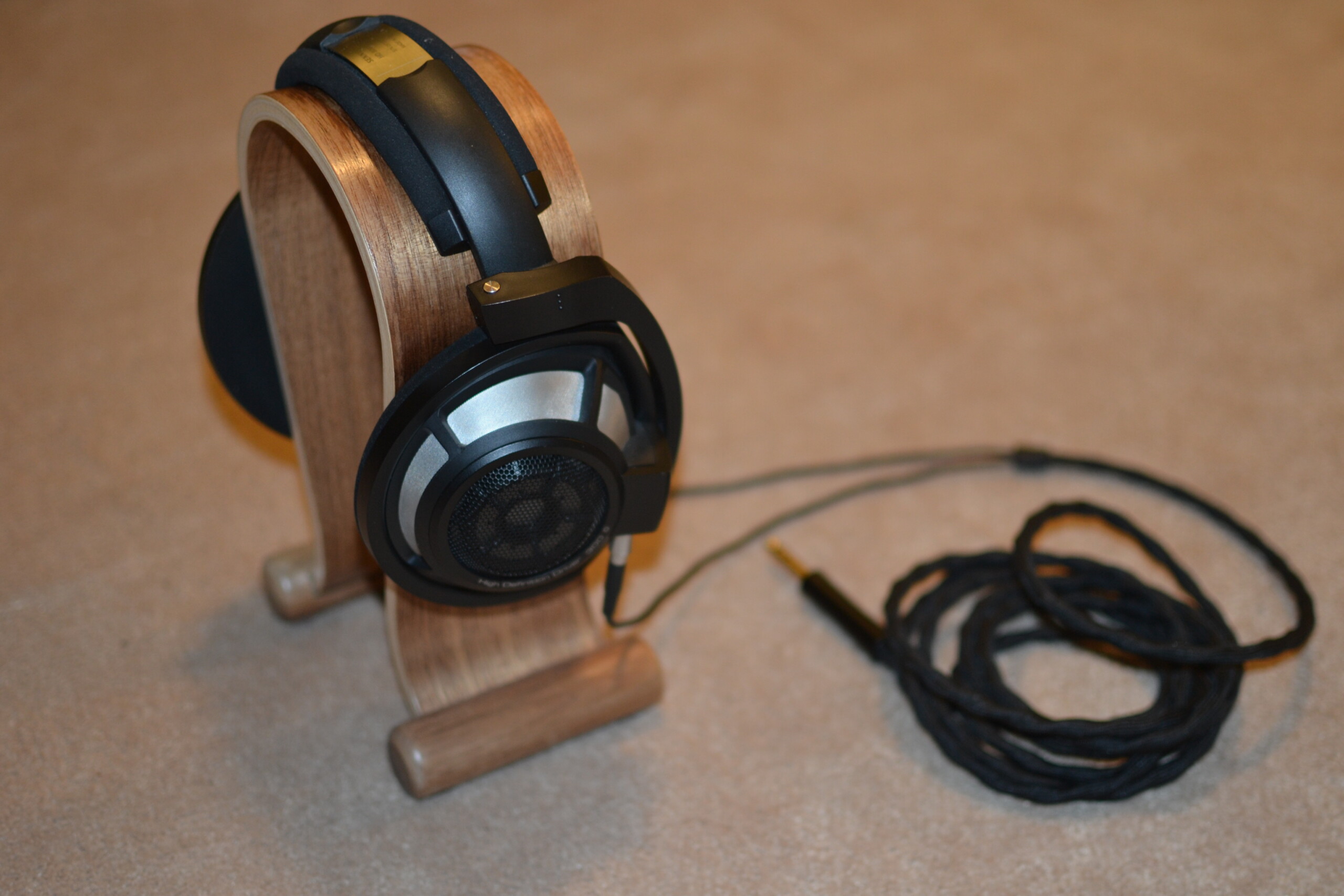
The designers at Sennheiser have also gone to great lengths to ensure that the HD 800S is comfortable to wear. They have employed ultra-soft microfibre padding and very light composite materials to reduce weight. They have also taken into consideration that no two end-user heads are exactly the same and so they have designed earcups with dual-axis articulation which adjust to the unique structure of every end user head and result in a very comfortable fit that reduces the fatigue of having the headphones on for very long periods of time.
The HD 800S also comes with a choice of ultra-low capacitance 9.8 feet/3-meter-long cables which are impedance-matched. You get a ¼-inch/6.3mm stereo connector for use with headphone amps, DACs and A/V receivers and a balanced, 4.4mm connector for use with the newer generation, balanced output devices.
The ear cups of the HD 800S are not perfectly round. Rather the rear of the ear cup is flatter than the front side. I found this to be a distinct advantage when listening to these headphones while resting my head on the headrest of my Eames chair. The flatness of the ear cup's back mean that they did not touch the headrest of the chair, making it a lot more comfortable, listening to these headphones in this seated, leaning back position.
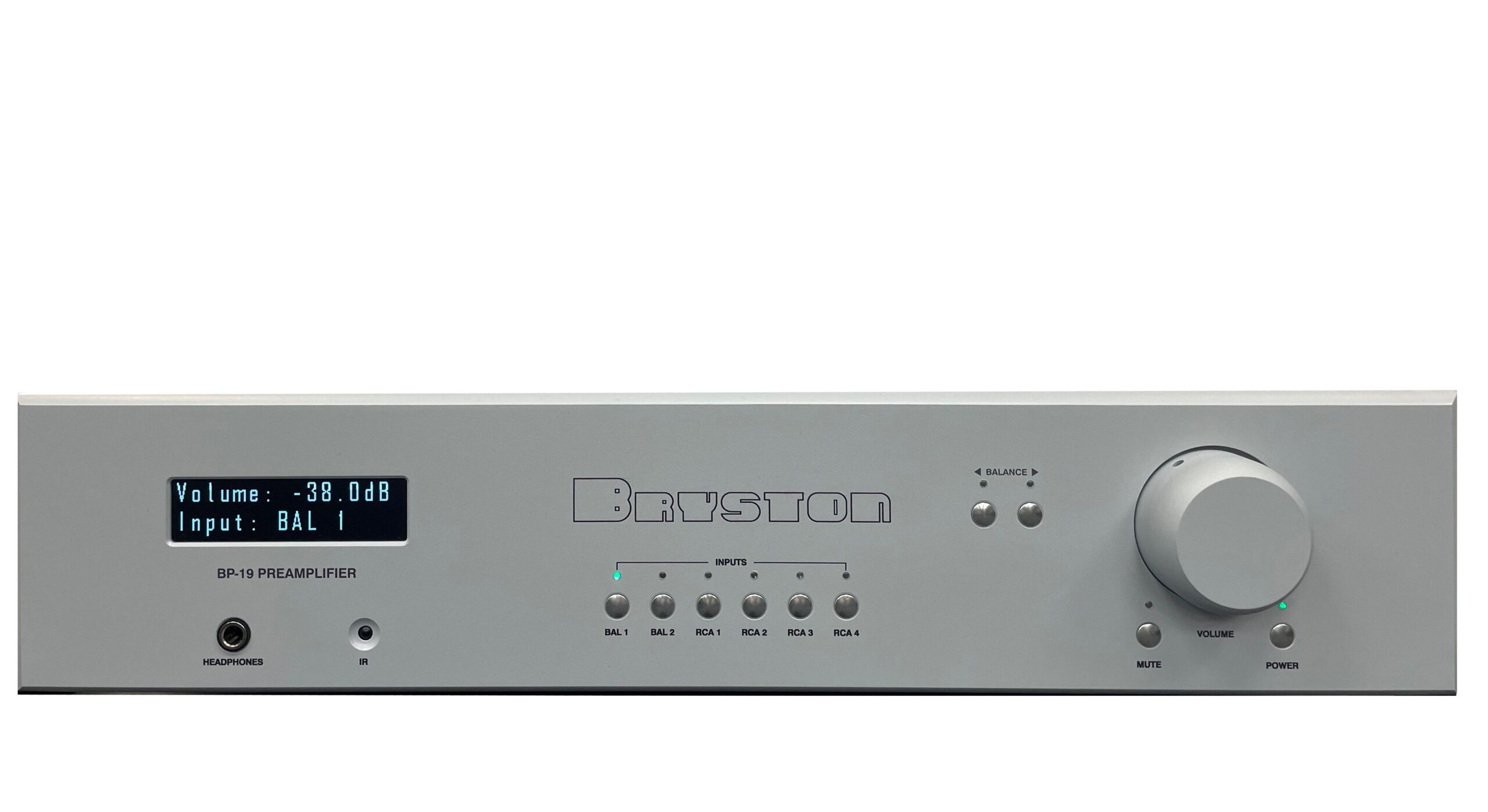
For the audition, I plugged the HD 800S into my Bryston BP19 preamp connected to my Calyx Femto DAC, fed by the ROON Nucleus Plus server which manages my library of over quarter of a million digital tracks, most of them in high resolution formats. The ROON software is very intuitive and allows me to store, organize and access my library in a more convenient manner than another other audio playback software I have tried. Also, the up-sampling engine on the Nucleus Plus is the best that I have encountered to date.
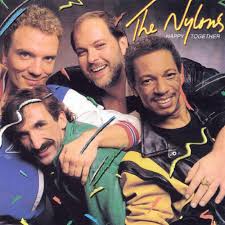
I began auditioning the HD 800S with the acapella track "Happy Together" by the Nylons from their album of the same name. I have heard this track dozens of times and am intimately familiar with it. The presence with which these headphones were able to render each of the acapella voices while also delivering the air between them, make it very easy for me to thoroughly enjoy the way all the voices harmonize with each other, while also allowing me, if I so choose, to follow and totally appreciate any one voice that I chose, independently from the other voices. This is a feat that very few headphones are able to pull off to perfection, and most of those, sport price tags that significantly exceed the HD 800S.

When listening to Cesaria Evora's "Vida Tem Um So Vida," from her Miss Perfumida album on the HD 800S, I could feel a truly intimate connection with this Cape Verdean crooner as she performed her Morna genre song in her native Creole. I do understand Portugese, but since the Creole language that Evora sings in, is blended with West African dialects, I could not understand most of the words, however, this did not keep me from totally feeling the emotion that she embedded into this song.
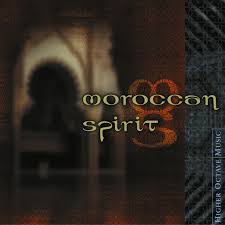
I then listened to "Midunya" from the album Moroccan Spirit, which is a down tempo new age/ethnic fusion project by German musicians Ralf Hamm, Markus Staab and Claus Zundel. It combines traditional Moroccan music with moderate club beats and synthesizer enhancements. This particular track is a reworking of Medunya from the One Little Creature album but with a more Arabic feel to it. The haunting melody in this song was reproduce with a level of transparency that gave me goosebumps.

Next up was the track "Democracy" by Leonard Cohen from his More Best of Leonard Cohen album. Through the HD 800S, the percussion that this song begins with, was rendered with incredibly accurate PRaT that got my foot tapping in time. Cohen's distinctive voice was also reproduced with all its glorious gravelly baritone, totally intact.
I followed that with a listen to "The Dog Song" by Garett Brennan from the Blue Coast Collection Remastered album recorded by the very talented Cookie Marenco. This is a minimalist recording featuring Brennan's very expressive voice and showcasing his guitar prowess. Through the HD 800S, the reproduction was so holographic, I felt I could reach out and touch Brennan as he belted out this song.

I ended the audition with the track "Viola For de Moda" from David Chesky's Chesky Records Jazz Sampler Test Compact Disc Volume 1 album. This is my go-to track to gauge any audio component's ability to resolve complicated music tracks. The HD 800S was able to retrieve and reproduce every single nuance and subtlety of this very challenging track with the precision and musicality that made me mouth a silent "wow," when I heard it.
The HD 800S renders treble with the delicateness of a butterfly's wings. However, where this pair of headphones really comes into its own, is the way it handles the midrange. Every note is fully fleshed out, and the transient attack and decay is as good as any headphone I have heard, irrespective of price.
The HD 800S also has the best sound stage that I have heard from any headphone, even the ones that retail for over twice the price. Headphones in general, are known for delivering a "totally trapped in your head" sound. Not the HD 800S; dare I say, it renders a sound stage that is so solid, expansive and layered, it even approaches what a good pair of speakers delivers.
The only performance area where the Sennheiser HD 800S does not hit it out of the park, is in its reproduction of deep bass. That is not to say that it lacks bass; far from it. Rather, the bass that it does reproduce is tight and immensely tuneful. However, the bass does not go as deep (sub 70Hz), as many other headphones in this price range. So, if you are bass freak, this may not be the headphones for you. However, if you are looking for a pair of headphones that's an all-round superior performer that will give you many hours of music bliss, with minimum fatigue, you would be well advised to give the HD 800S a serious audition before you pull the trigger.
Sennheiser HD 800S Headphones
Retail: USD $1999.95
Sennheiser